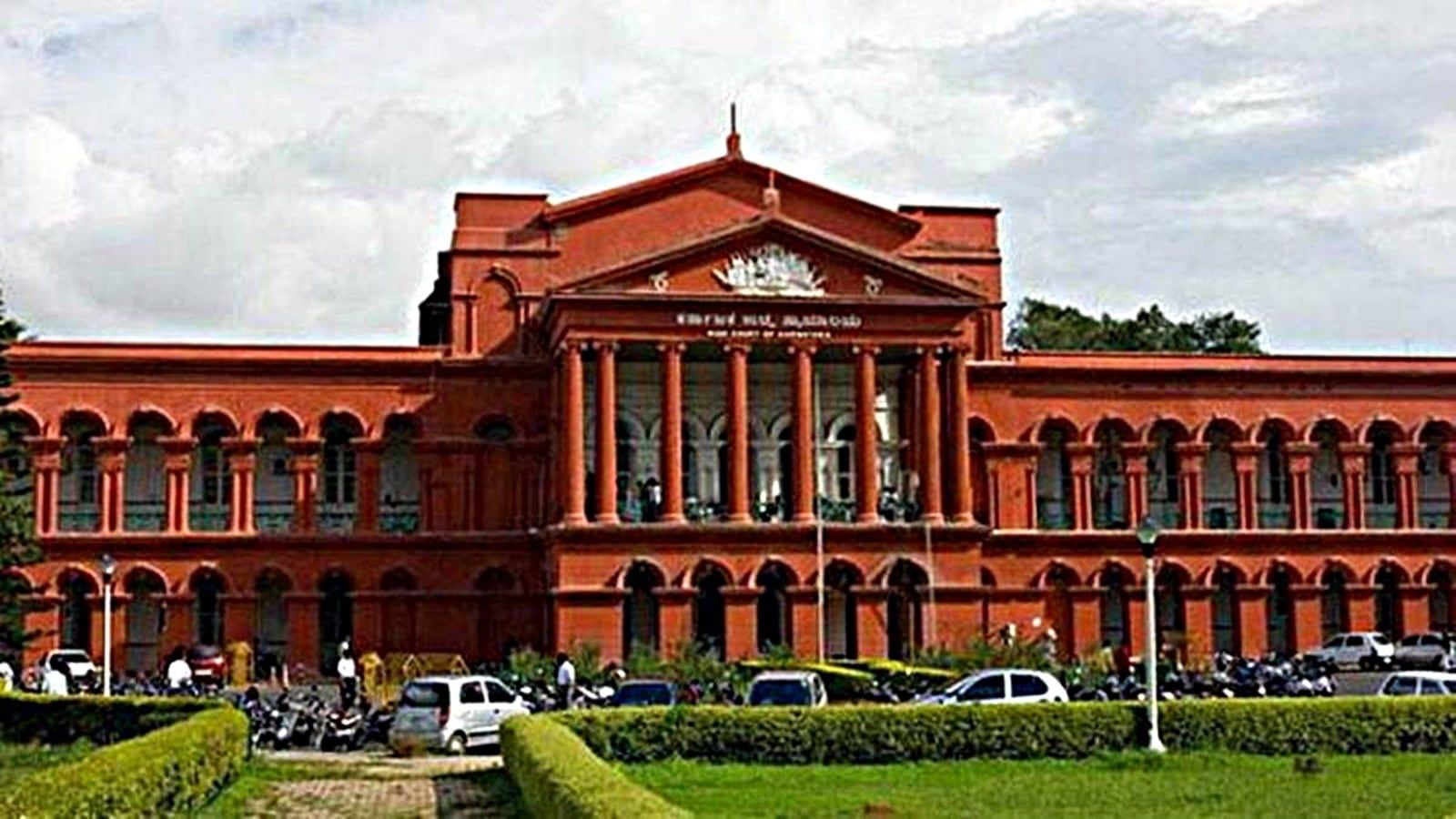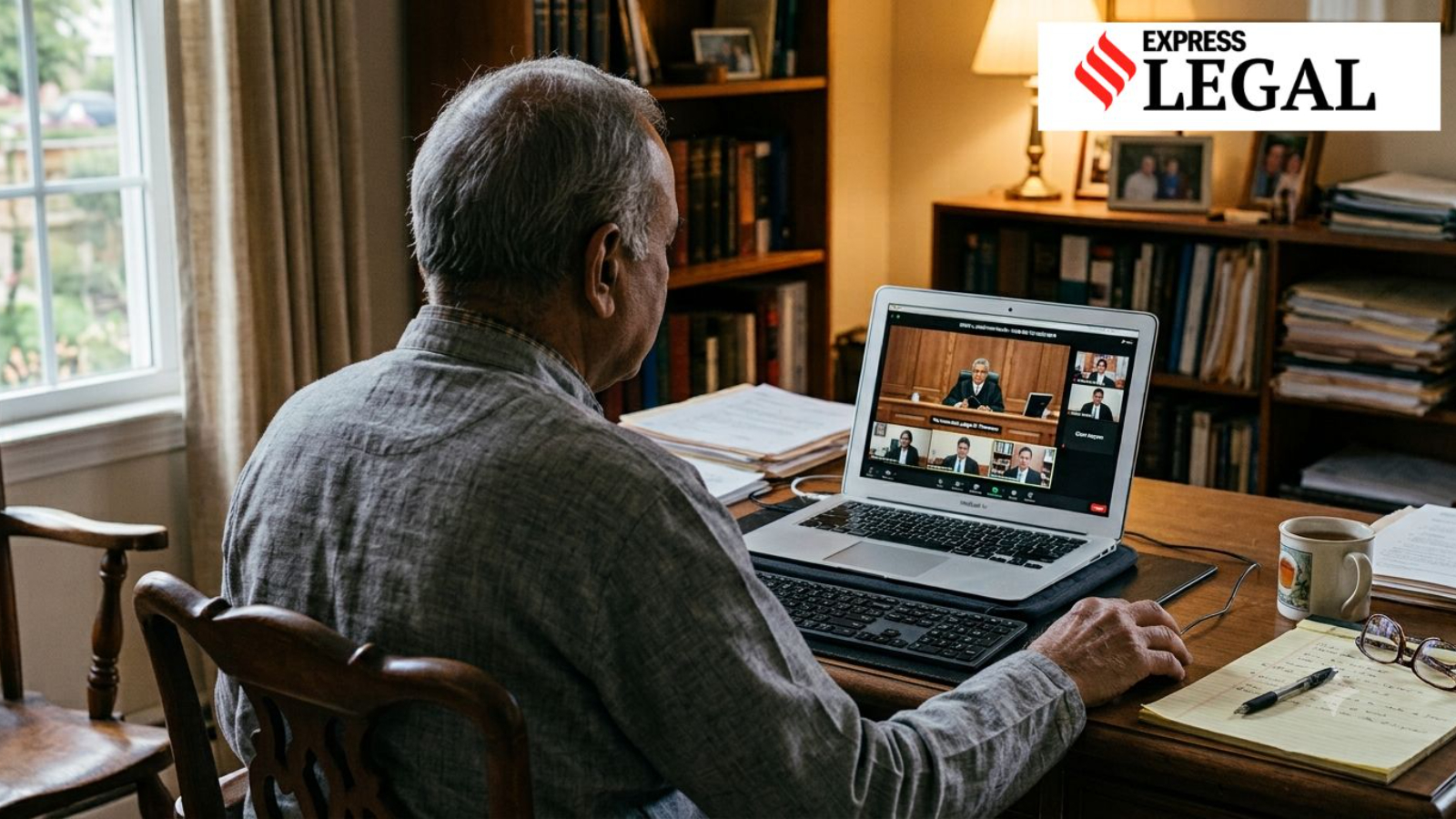
The Madras High Court has ruled that age and health can justify virtual testimony, allowing a 72-year-old London-based doctor to appear via video conferencing in a property dispute. The court emphasized that complex documentation cannot be a barrier to digital evidence.
- Madras High Court validated the use of Video Conferencing (VC) for witness testimony.
- A 72-year-old London-based doctor was granted permission for virtual cross-examination due to health reasons.
- The court directed the trial court to conclude the proceedings within four months.
- The ruling underscores that complex property disputes cannot block the use of virtual modes.
In a significant move towards judicial modernization, the Madras High Court has ruled that complex documents in property disputes cannot be used as a pretext to prevent witnesses from testifying online. Justice N Anand Venkatesh allowed a 72-year-old London-based doctor to provide virtual evidence in a long-standing property partition case, citing age and health as justifiable reasons.
The case involves Dr. K Balasundaram, who sought the partition and allotment of a one-third share in a property. The doctor had challenged a 2004 decree from the Coimbatore District Munsif Court. Following a recent bypass surgery, the doctor requested to appear virtually, as medical professionals had advised against long-distance travel due to his frail health.
Why This Matters
BozokMedia analysis shows that this judgment sets a vital precedent for the integration of technology in the Indian legal system. By upholding the Madras High Court Video Conferencing Rules, 2026, the court has ensured that physical presence is no longer a mandatory hurdle for elderly or overseas witnesses, thereby preventing unnecessary delays in the administration of justice.
The transition from physical to virtual testimony is not just a matter of convenience but a necessity for a globalized legal landscape.
Opposing counsels argued that the doctor's physical presence was essential because the case involved complex documents and the potential division of companies. They contended that the cross-examination required a face-to-face interaction to ensure accuracy. However, the High Court dismissed these concerns, noting that virtual proceedings can be conducted efficiently if standard guidelines are followed.
The court expressed surprise at the petitioners' insistence on physical presence, noting that the doctor had actually traveled to India and appeared in person on three previous occasions, only for the cross-examination to fail to materialize. The bench clarified that the trial court should only insist on physical presence if it finds virtual mode technically unfeasible.
Frequently Asked Questions
1. Can a witness be forced to appear physically if they are unwell?
Under the current guidelines and this ruling, if health and age justify it, courts can permit testimony via video conferencing.
2. What was the timeline given by the High Court for this case?
The High Court has directed the trial court to finish the hearing of this specific case within four months.