A major smuggling racket was busted in Parassala, where 10,000 kg of free ration rice from Tamil Nadu was being repackaged into expensive branded sacks to be sold at high profits in Kerala.
- Civil Supplies officials seized 10,000 kg of illegal ration rice and 3 bags of wheat in Parassala.
- Smugglers were sourcing free rice from Tamil Nadu at ₹5/kg and selling it as branded rice for ₹30/kg.
- The operation involved over 20 illegal warehouses in the border regions of Inchivila and Vannikkode.
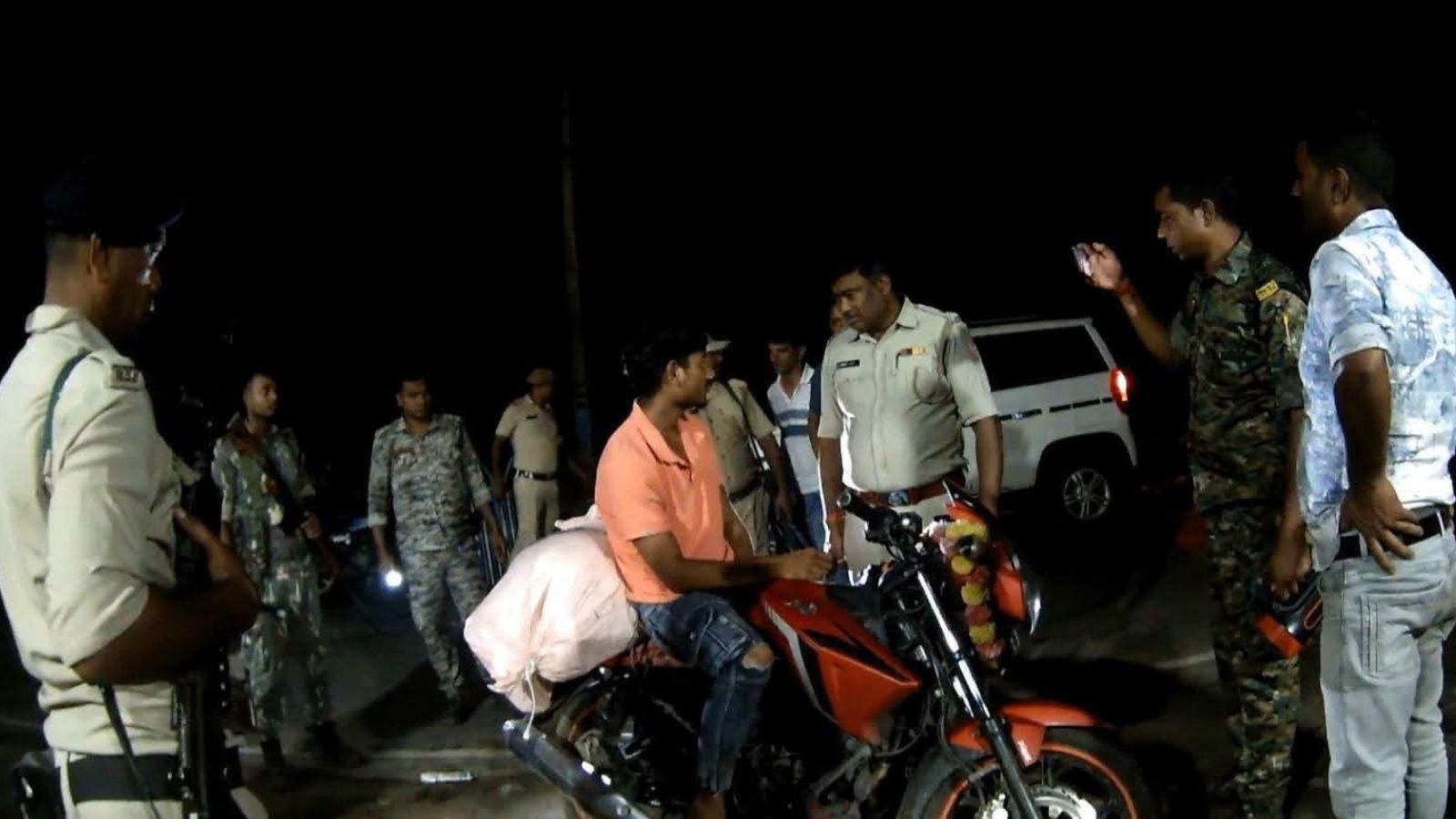
- Smuggling methods included hiding rice under car seats and using bypass roads to evade checks.
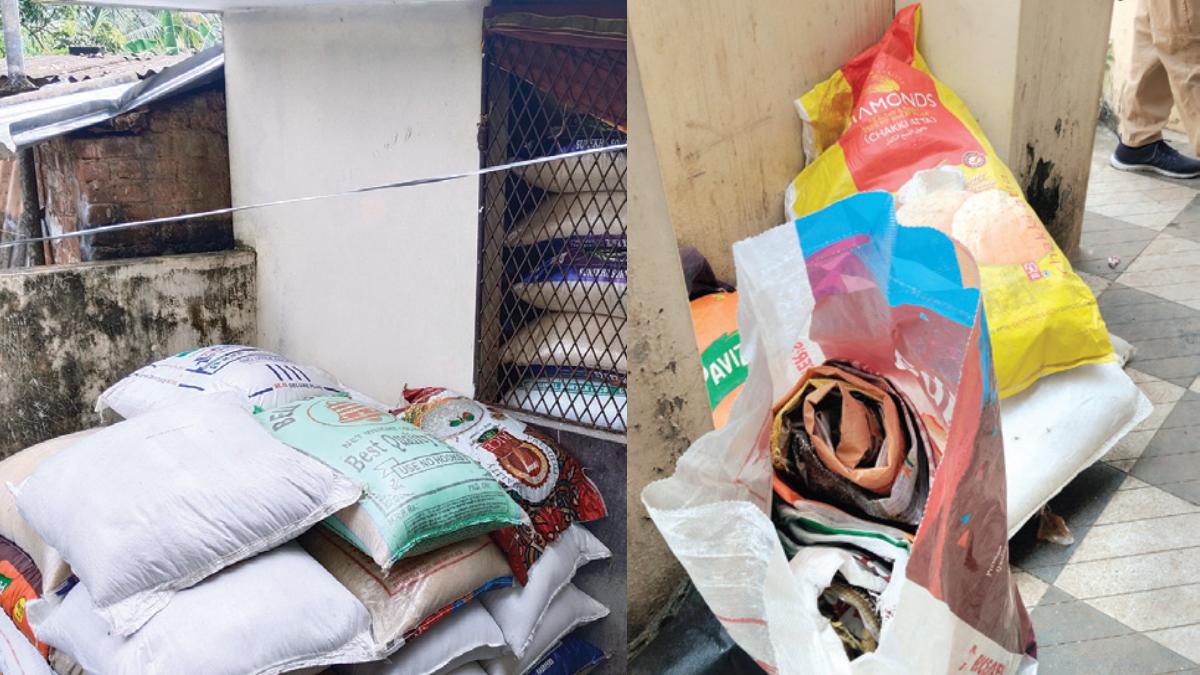
In a major crackdown on organized crime, Civil Supplies authorities and the police in Parassala have seized approximately 10,000 kilograms of illegal ration rice and three bags of wheat. The seizure took place in a rented residential house near the border, where a massive stockpile was hidden under tarpaulins and in kitchen areas to avoid detection from the street.
The Brand Transformation Racket
The investigation has revealed a sophisticated operation where cheap, free-distributed rice from Tamil Nadu is transformed into high-value branded products within minutes. Smugglers procure the rice from households and ration shops in Thirunelveli and Kanyakumari districts at a meager rate of ₹5 per kg. Once transported to Kerala, the rice is moved into warehouses where workers repackage it into sacks bearing various popular commercial brand names.
BozokMedia analysis shows that this process involves adding artificial colors and polishing the grains to make them look like premium quality. This 'rebranding' allows the mafia to sell the rice in the open market at prices ranging from ₹30 per kg upwards, turning a massive profit on government-subsidized goods.
This organized crime network exploits the socio-economic gap between states, turning public welfare resources into private windfall profits.
Modus Operandi and Smuggling Routes
The mafia utilizes highly deceptive methods to transport the contraband. Large trucks are used where rice is placed at the very bottom under tarpaulins, covered by other legitimate goods. Additionally, smaller vehicles like cars are used, with rice bags hidden in spaces vacated by driver seats.
Due to the ongoing construction of the Kanyakumari-Karode bypass, certain checkpoints have seen reduced surveillance, providing a loophole for smugglers. The criminals primarily use the Parassala-Inchivila route to move their goods. The investigation suggests that there are at least 20 such illegal godowns operating in the border areas of Inchivila, Naduthottam, and Vannikkode.
Historical Context and Systemic Corruption
The border between Kerala and Tamil Nadu has long been a hotspot for the smuggling of subsidized commodities. While the Tamil Nadu government has implemented strict measures to prevent the leak of free ration rice, local corruption often undermines these efforts. It has been alleged that some officials receive bribes to overlook the movement of these goods at checkpoints.
Furthermore, a segment of the authorized civil supplies distribution network is reportedly complicit, helping the mafia collect large quantities of rice to be repackaged and re-entered into the system as 'new' stock.
Frequently Asked Questions
Question 1: How was the rice being hidden in the house?
Answer: The rice was stored in the backyard under tarpaulins and inside the kitchen to make the house look normal from the front.
Question 2: Where is the stolen rice being sold?
Answer: The rice is polished, colored, and sold in local markets under various fake branded names.