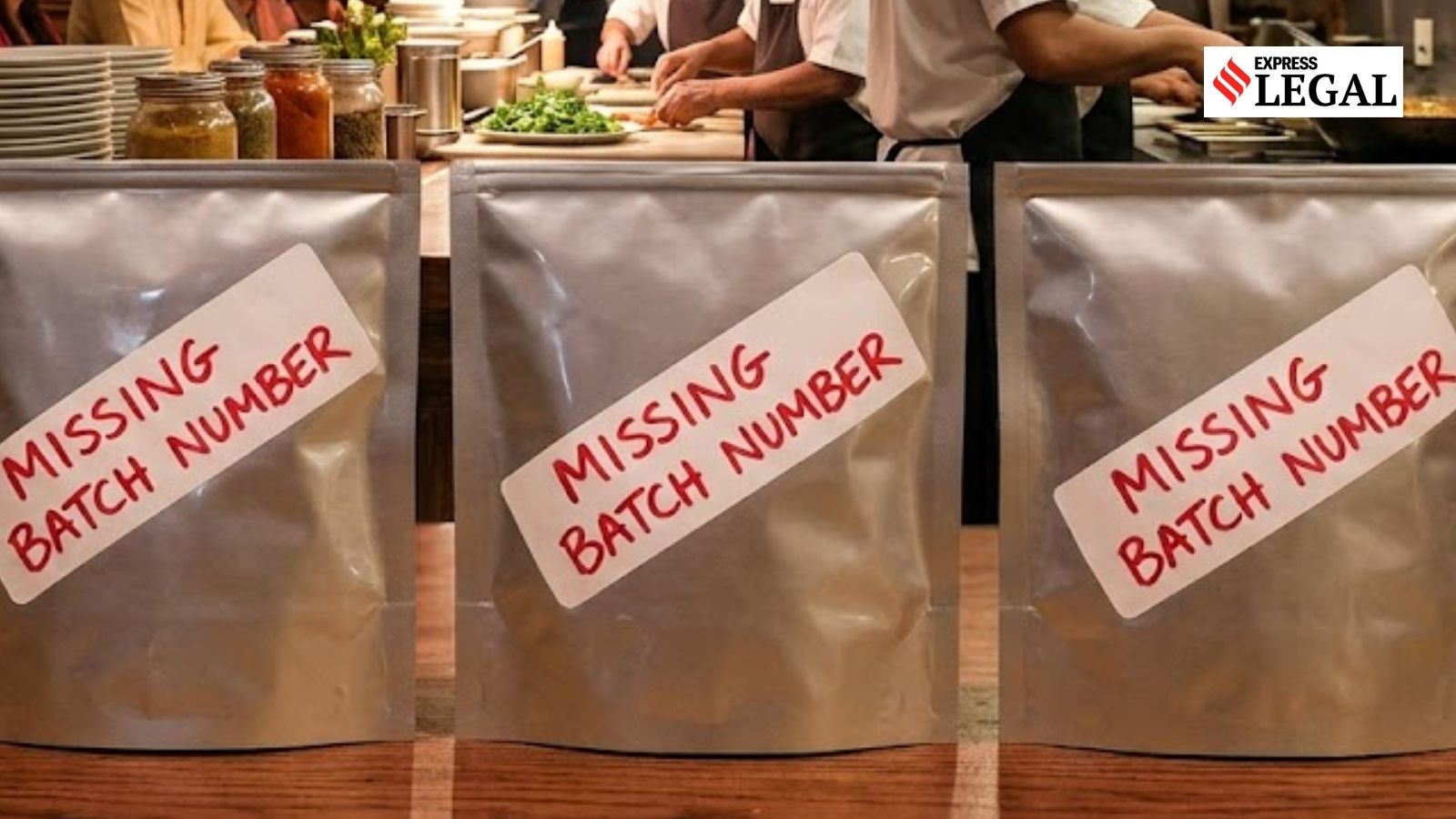
The Delhi High Court has set aside a decades-old case against Kancor Ingredients regarding missing batch numbers on marinade packets, ruling that technical labeling errors require a warning before prosecution.
- Delhi High Court quashed a 31-year-old case against Kancor Ingredients Limited.
- The case involved missing batch/lot numbers on marinade packets, not food adulteration.
- The court ruled that a first-time technical labeling violation requires a written warning before prosecution.
In a significant ruling, the Delhi High Court has quashed a 31-year-old legal battle involving Kancor Ingredients Limited. The case, which dates back to 1995, centered on the absence of batch, lot, or code numbers on sealed packets of 'Hot and Spicy Marinade' supplied to a restaurant in New Delhi. The court emphasized that a first-time technical labeling violation does not warrant immediate prosecution without a prior warning.
Historical Context of the Case
The legal saga began on October 31, 1995, when a food inspector collected samples of the marinade from a restaurant in New Friends Colony. Upon inspection, it was discovered that three 680-gram packets lacked distinctive batch or lot numbers. While the public analyst categorized the product as 'misbranded' under the Prevention of Food Adulteration (PFA) Rules, 1955, there was no evidence of the product being unsafe or contaminated.
A complaint was filed against 11 accused individuals, including company directors and general managers. For over three decades, the legal proceedings continued, with the trial court in 2010 directing the accused to appear for the framing of notices.
The Court's Reasoning
Justice Swarana Kanta Sharma observed that the allegations were not based on any defect in the actual contents of the food. The Public Analyst's report did not suggest that the sample was adulterated or failed to meet prescribed safety standards. The deficiency was purely administrative—the absence of a batch code.
The court noted that if the contents were actually adulterated, the benefit of the warning policy would be unavailable; however, for misbranding, a warning is a prerequisite.
Why This Matters
BozokMedia analysis shows that this judgment serves as a vital precedent for the food and beverage industry. It distinguishes between 'safety violations' (which pose a public health risk) and 'technical violations' (which are administrative in nature). By enforcing the requirement for a written warning for first-time offenders, the court prevents the judicial system from being clogged by minor, non-harmful technicalities.
The defense successfully argued that according to a 1985 notification, a first-time offense of misbranding under Rule 32 of the PFA Rules should only result in a written warning. Since no such warning was ever issued to Kancor Ingredients, the subsequent prosecution was deemed improper.
Frequently Asked Questions
1. Was the marinade found to be unsafe for consumption?
No. The court and the public analyst confirmed that the product met all prescribed standards and contained no adulterants.
2. Why was the case dismissed after 31 years?
The case was dismissed because it was a first-time technical error regarding labeling, and legally, the authorities were required to issue a written warning before initiating criminal prosecution.