The Jharkhand High Court directed continuous air‑water monitoring and surprise inspections for two factories in Ramgarh, emphasizing that pollution does not stay local. The order also mandates a show‑cause notice if pollutant levels exceed limits for more than 48 hours.
- Real‑time air and water monitoring mandated for two Ramgarh factories.
- Two surprise inspections per year, at least one without prior notice.
- Show‑cause notice triggered if limits are breached for over 48 hours.
Court Ruling and Context
On September 14, the Jharkhand High Court, hearing a 2024 public interest litigation, warned that “environmental harm routinely transcends its geographical roots.” Consequently, the State Pollution Control Board (SPCB) was ordered to continuously track emissions from Bihar Foundry and Casting Limited and Dayal Steel Limited located in Ramgarh.
Key Directives
The bench, comprising Chief Justice M.S. Sonak and Justice Rajesh Shankar, stressed that precautionary action must precede irreversible damage. The court’s directives include:
- Bi‑annual inspections of each factory, with at least one unannounced visit.
- Continuous emission data logging; a show‑cause notice if limits are exceeded for more than 48 hours.
- Fresh water‑quality sampling within three months and a detailed report to the Deputy Commissioner, Ramgarh.
Historical Background
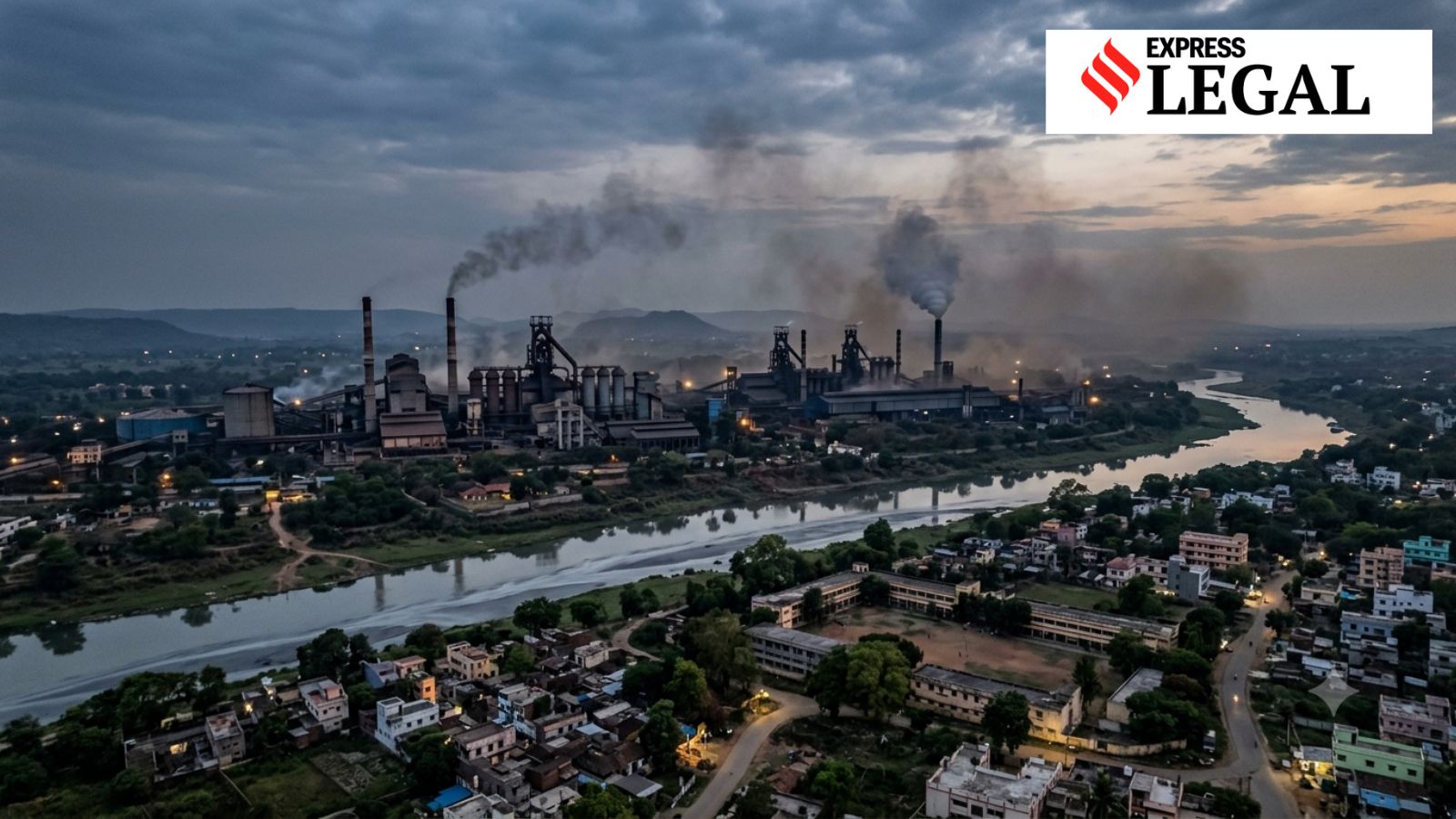
Ramgarh, an industrial town in Jharkhand, has long co‑existed with residential colonies, schools, hospitals, and even a jail. Over the past decade, residents have reported rising respiratory ailments and water‑borne diseases, linking them to unchecked emissions from local heavy‑industry units. The 2024 PIL filed by a resident of Patna, now living in Ramgarh, brought these grievances to judicial notice, culminating in today’s landmark order.
Why This Matters
BozokMedia analysis shows that real‑time monitoring in a densely populated industrial hub like Ramgarh can set a precedent for other Indian states, compelling regulators to shift from reactive to preventive environmental governance.
“Sustained, data‑driven oversight is the only viable path to curb industrial pollution in India,” says environmental law expert Dr. Anjali Singh.
Frequently Asked Questions
- What are the immediate steps for the factories? The SPCB must install continuous emission monitoring systems (CEMS) at both sites within the next 30 days.
- How will continuous monitoring be implemented? Sensor data will be streamed live to the state’s environmental portal, accessible to the public and regulatory officials alike.