During World Folklore Day celebrations in Vizianagaram, cultural leaders have called for urgent government intervention to prevent the extinction of traditional art forms.
- Traditional folk arts face an existential threat due to lack of livelihood.
- Younger generations are reluctant to adopt these arts without financial security.
- Key demands include honorariums for artists and dedicated training institutes.
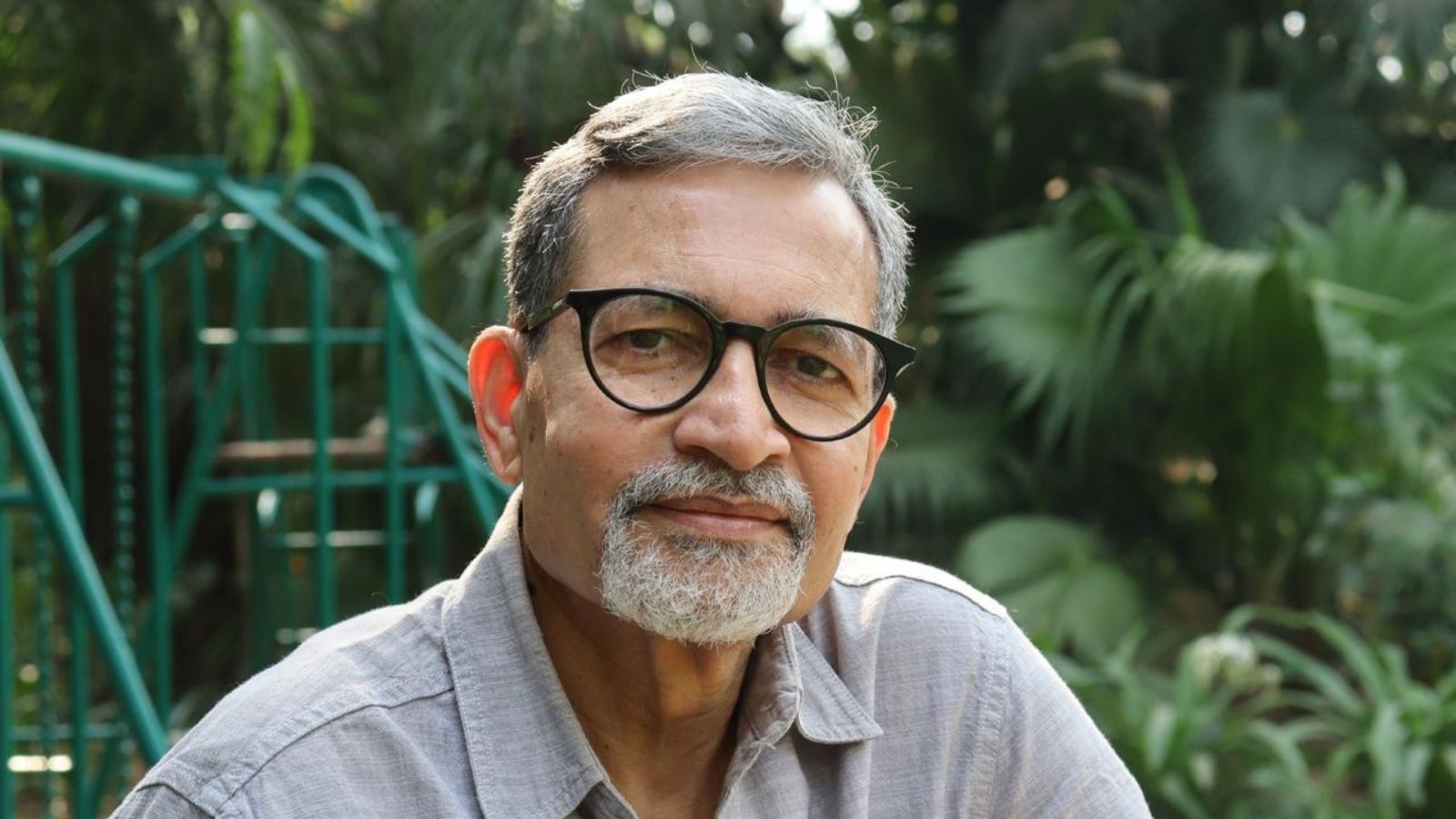
VIZIANAGARAM: On the occasion of World Folklore Day, a powerful call for the preservation of India's intangible heritage was made. Badri Kurma Rao, founder of the Gidugu Ramamurthy Telugu Bhasha, Janapada Kalapeetham and a retired educator, has formally urged the government to take decisive steps to protect traditional folk arts.
To mark the occasion, a vibrant rally was organized, traversing from the residence of the legendary Gurajada Apparao to Fort Junction. The event served as a platform for artists to highlight the plight of ancient traditions that are on the brink of disappearance.
The Crisis of Cultural Continuity
The core issue identified by veteran performers is the lack of economic viability. Traditional art forms such as Tappetagullu, Jamukulapata, Gangireddulata, and Burrakatha are struggling to find practitioners. Rao noted that the descendants of veteran artists are increasingly reluctant to pursue these paths due to the absence of sustainable livelihood opportunities.
Folk arts are the living heartbeat of our regional identity and historical memory.
Why This Matters
BozokMedia analysis shows that the erosion of folk arts leads to a homogenization of culture, where unique regional identities are swallowed by globalized entertainment. Without institutionalized support, the intricate stories and musical nuances of these traditions will vanish within a generation.
Proposed Policy Interventions
To address this crisis, the Kalapeetham has proposed several strategic measures. These include fixing a monthly honorarium for veteran artists, encouraging major temples to 'adopt' specific folk art forms to ensure regular performance opportunities, and establishing specialized training institutes to bridge the skill gap among the youth.
Frequently Asked Questions
Question 1: Which specific folk arts are under threat?
Answer: The arts mentioned include Tappetagullu, Jamukulapata, Gangireddulata, and Burrakatha.
Question 2: What is the main reason for the decline in folk art practitioners?
Answer: The primary reason is the lack of livelihood opportunities and financial stability for the younger generation.