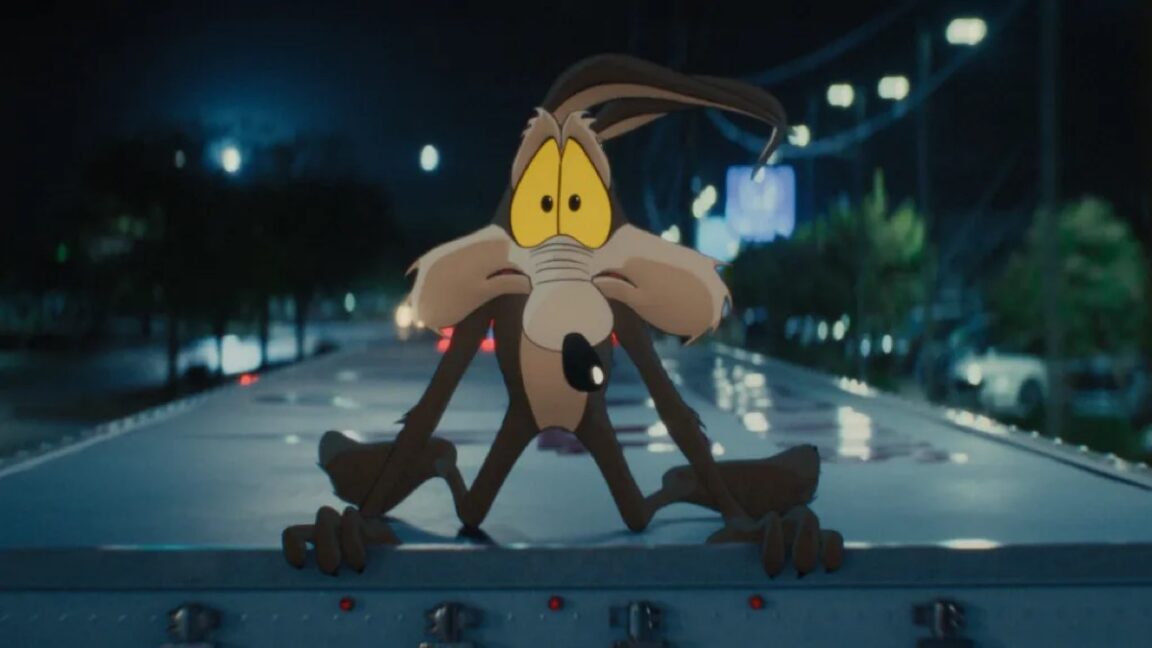
Director Dave Green's live-action/animated hybrid masterfully captures the smart, subversive weirdness of classic cartoons. It is a triumphant blend of slapstick humor and biting satire.
- A brilliant hybrid of live-action and animation featuring Looney Tunes icons.
- Based on Ian Frazier's 1990 satirical piece from The New Yorker.
- Survives a controversial corporate decision to be shelved for tax write-offs.
After a grueling three-year delay, Coyote vs. Acme has finally hit theaters, delighting audiences of all generations. The film is an irresistible cocktail of slapstick humor, pointed satire, and surprising moments of genuine warmth. It is a rare cinematic achievement that manages to honor its legacy while pushing the boundaries of the genre.
The conceptual foundation of the film dates back to 1990, rooted in a well-known satirical piece by Ian Frazier published in The New Yorker. The journey to the big screen began in 2018, with a writing team that included the visionary James Gunn. This high pedigree explains why the industry was so blindsided when Warner Bros. made the bizarre decision in 2023 to shelve the completed film as a tax write-off.
Why This Matters
BozokMedia analysis shows that the saga of 'Coyote vs. Acme' represents a larger tension in Hollywood between artistic integrity and corporate accounting. The outrage sparked by the decision to bury the film highlighted a growing demand for transparency and respect for creative labor in the streaming and theatrical era.
"Coyote vs. Acme is not just a movie; it is a victory for creativity over corporate bean-counting."
The film succeeds because it doesn't treat its animated characters as mere nostalgia bait. Instead, it leverages the Wile E. Coyote persona to explore themes of persistence, failure, and the absurdity of corporate litigation. The visual integration of 2D/3D elements with real-world settings is seamless and inventive.
Frequently Asked Questions
Q1: Is the movie family-friendly?
Yes, it appeals to all ages, though the sophisticated satire is specifically tailored for adult viewers who grew up with the classics.
Q2: Why was there a controversy regarding its release?
Warner Bros. intended to scrap the film entirely to claim a tax write-off, leading to widespread backlash from the filmmaking community.