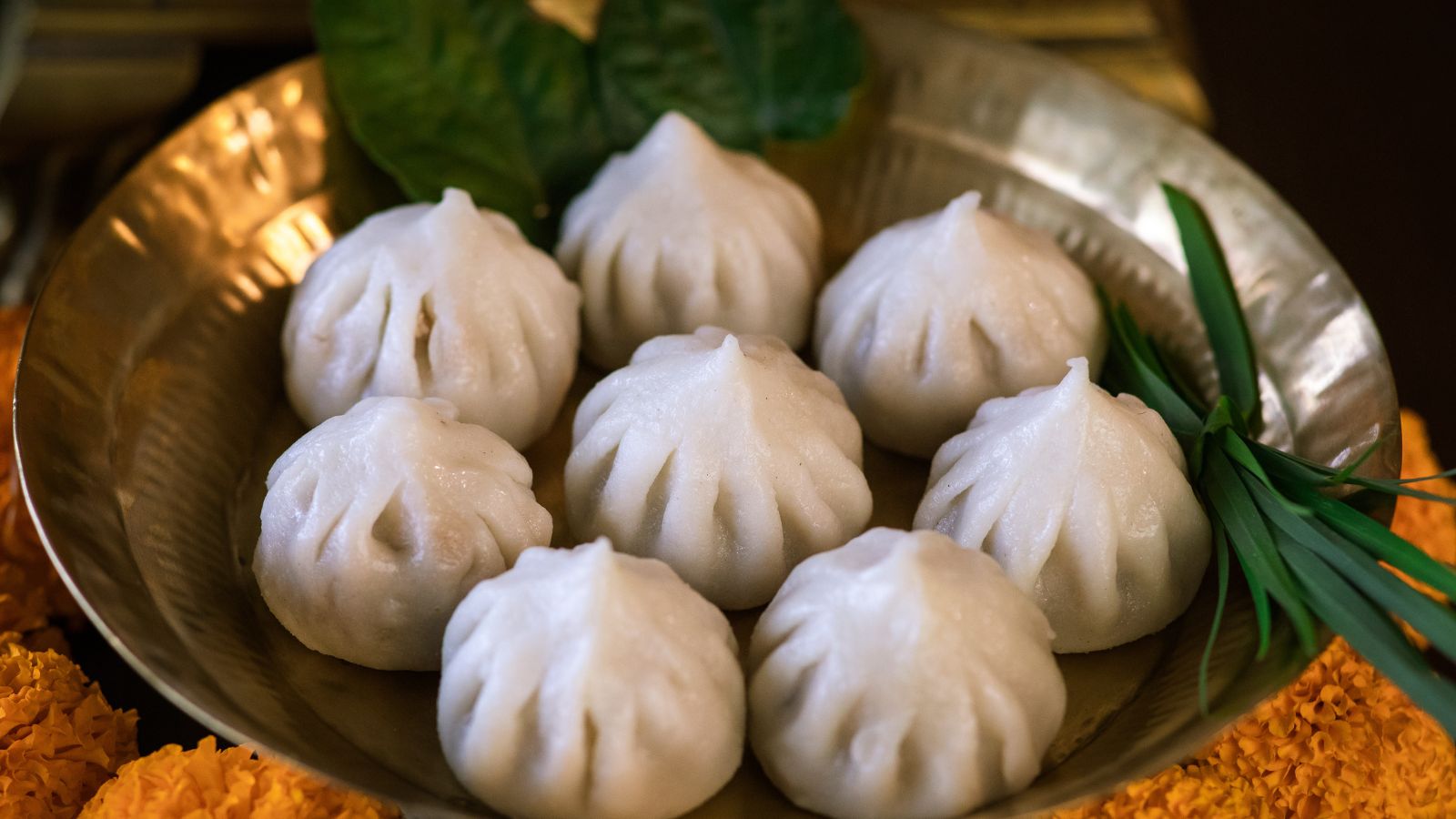
Beyond being a sweet, the Modak holds a 2,000-year-old historical significance. Explore how this Ganeshotsav staple evolved from ancient symbols to a beloved deity's favorite.
- The word 'Modak' translates from Sanskrit as 'something that makes you happy'.
- The sweet has a documented history spanning over two millennia.
- Ancient iconography depicted Ganesha with 'Beejpurak', a fruit that evolved into the modern Modak shape.
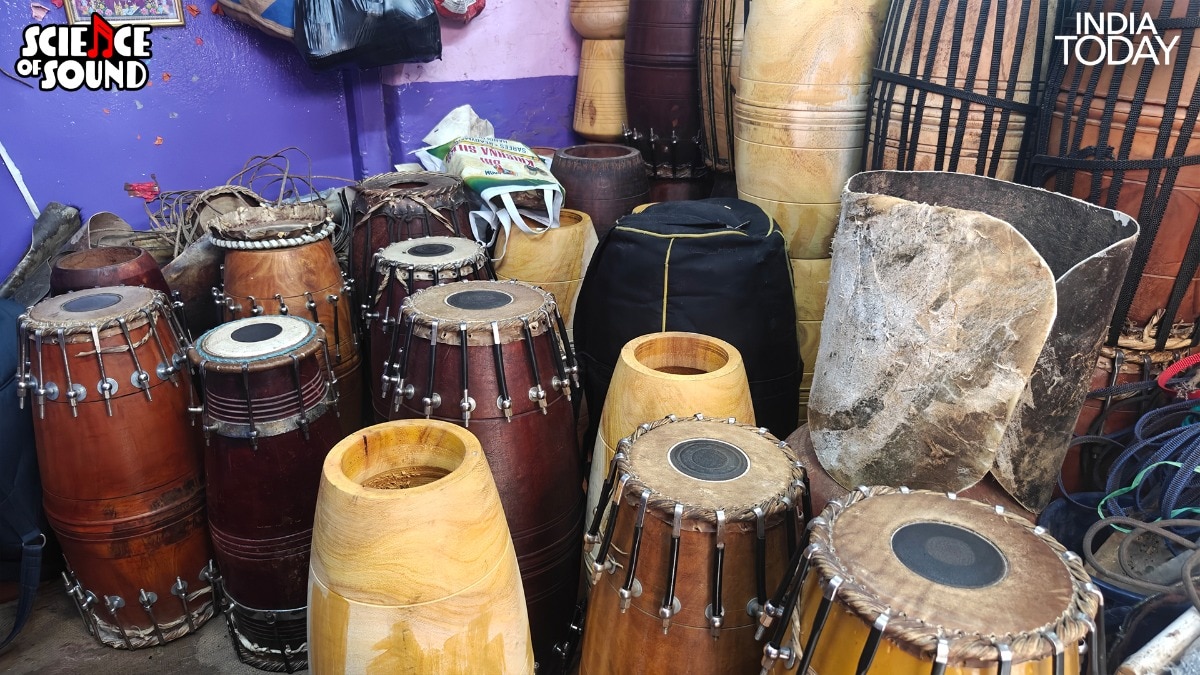
As the rhythmic beats of Dhol Tasha fill the air in Maharashtra during Ganeshotsav, the aroma of freshly steamed Ukadiche Modak wafts through the streets. While modern devotees view the modak as an inseparable part of worshipping Lord Ganesha, historical evidence suggests this delicacy is far older than the current form of the festival itself.
Etymology and Ancient Tales
According to art historian and archaeologist Saili Palande Datar, the term 'Modak' is derived from Sanskrit, meaning 'something that makes you happy' or a 'roundish sweet snack'. The antiquity of the sweet is supported by ancient texts like the Bruhadkatha, an ancient collection of stories. In one amusing anecdote, a linguistic misunderstanding between a king and queen involving the word 'modak' highlights its presence in ancient oral traditions.
Interestingly, the evolution of the modak's visual representation is fascinating. In early sculptures and paintings, Lord Ganesha was often depicted with a citrus fruit known as 'Beejpurak', symbolizing productivity and prosperity. Over centuries, artists modified this fruit into a bowl of modaks or a single large modak, which eventually became the standard iconographic representation we see today.
The Connection to Lord Ganesha
The association between the deity and this sweet is not merely coincidental. Experts suggest that because elephants naturally enjoy mixtures of rice dough, jaggery, and coconut, the sweet became naturally linked to Ganesha. Furthermore, the Marathi names of essential ingredients like Khas-khas, Khopra, and Kharik follow a phonetic pattern that adds to its cultural mystique.
Why This Matters
BozokMedia analysis shows that the transition from the 'Beejpurak' fruit to the 'Modak' sweet represents a profound shift in how religious symbolism is internalized through culinary traditions. It demonstrates how abstract concepts of prosperity are made tangible through food.
The modak is more than a sweet; it is a culinary bridge connecting ancient Vedic symbolism to modern-day devotion.
In the contemporary market, while fusion varieties like Belgian Chocolate Modak and Butterscotch Modak are trending, the traditional, labor-intensive Ukadiche Modak remains the gold standard. However, experts warn that the meticulous skill required to craft the perfect steamed modak is a disappearing art in our fast-paced, time-strapped era.
Frequently Asked Questions
1. How old is the Modak?
Archaeological and historical references suggest the sweet is over 2,000 years old.
2. Why is Modak associated with Ganesha?
It is believed that the ingredients (rice, coconut, jaggery) mimic the diet of elephants, the animal associated with the deity.