The Keralam troupe brought the ancient art of Paava Kathakali to life at the SPIC-MACAY regional convention in Tiruchi. This performance highlights both the beauty of Kerala's glove puppetry and its struggle for survival.
- The Paava Kathakali troupe performed at the SPIC-MACAY convention at Shrimati Indira Gandhi College, Tiruchi.
- The troupe presented classical plays including 'Kalyana Saugandhikam' and 'Duryodhana Vadham'.
- Paava Kathakali is a unique glove puppetry style originating from the 18th century.
- The art form faces extinction due to low financial viability for performers.
In a stunning display of cultural heritage, the Keralam troupe presented a mesmerizing performance of Paava Kathakali during the regional arts convention organized by SPIC-MACAY at Shrimati Indira Gandhi College in Tiruchi. Led by K.C. Ramakrishnan, the troupe utilized traditional glove puppets to narrate epic stories, captivating the audience with a blend of movement and mythology.
The Historical Roots of Paava Kathakali
Paava Kathakali is a specialized form of glove puppetry that traces its origins back to the 18th century. It was developed by the Andipandaram community in the Palakkad region of Kerala. Originally, these puppets were used to perform Kathakali stories for women and children within domestic settings. Senior puppeteer Sreenivas Kunnambath noted that while Kathakali remains globally famous, this specific puppetry tradition has dwindled, leaving only a few groups like Keralam to keep the flame alive.
Technical Mastery and Artistry
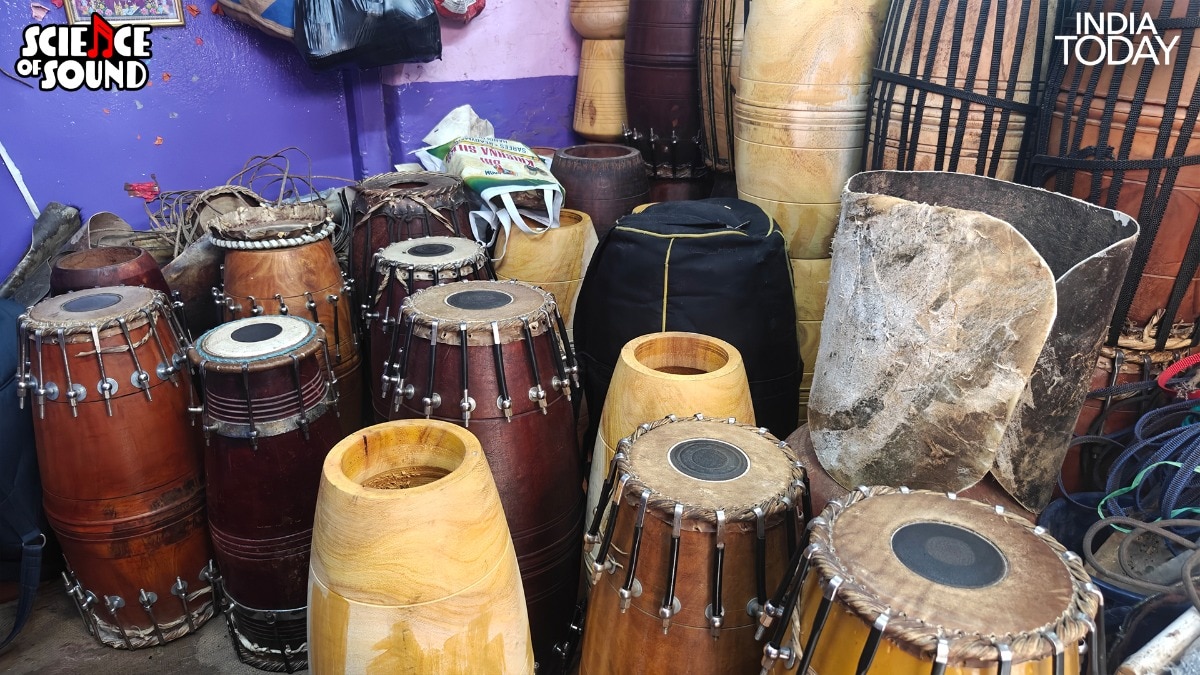
Unlike traditional string puppetry, Paava Kathakali requires immense physical dexterity. The puppeteers must use their thumbs, middle, and index fingers to manipulate puppets that weigh between 4 to 5 kilograms. The puppets themselves are 40-60 cm tall, adorned with intricate, gilded ornaments. The performance is heightened by a traditional musical ensemble featuring the chenda (drum), gong, conch, and cymbals.
Paava Kathakali is a demanding marriage of finger dexterity and epic storytelling.
Why This Matters: A Cultural Crisis
BozokMedia analysis shows that the survival of such niche art forms is under severe threat. The performers of the Keralam troupe often rely on secondary jobs to sustain themselves, as the art form does not provide a stable income. This economic reality discourages the younger generation from pursuing the craft, creating a dangerous gap in India's intangible cultural heritage.
| Feature | Paava Kathakali | String Puppetry |
|---|---|---|
| Manipulation Method | Finger/Glove-based | String-based |
| Artist Visibility | Performers are fully visible | Performers are usually hidden |
| Puppet Weight | Heavier (4-5 kg) | Relatively Light |
Frequently Asked Questions
1. What makes Paava Kathakali unique?
It is a glove puppetry style where the artist's fingers directly manipulate the puppet, unlike string puppets.
2. Where did this art form originate?
It originated in the Palakkad region of Kerala, India.