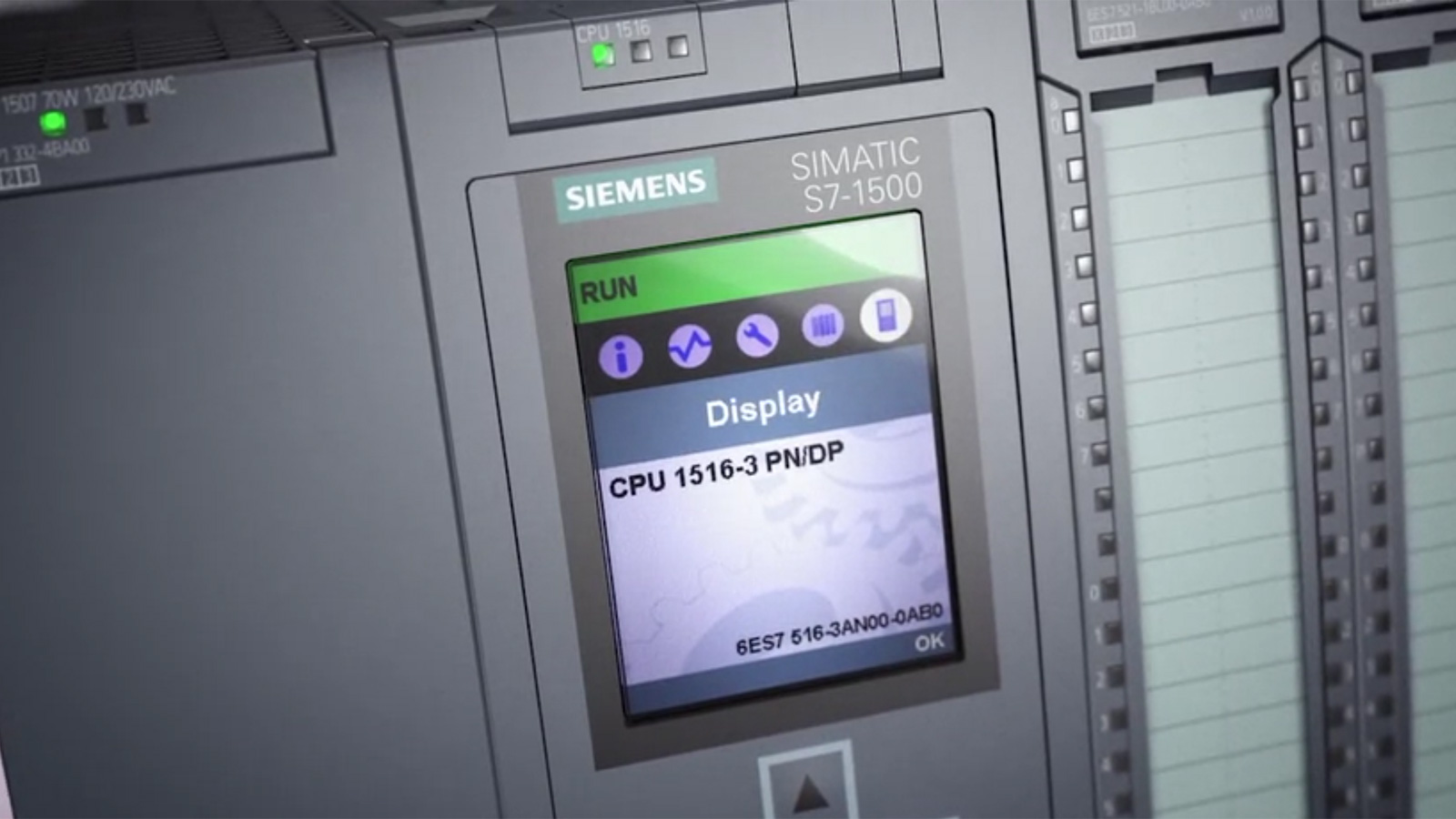
U.S. cybersecurity authorities have warned that threat actors are leveraging AI-generated Python scripts to exploit Siemens S7 Series PLCs, threatening vital sectors like energy and water utilities.
- Threat actors are using AI-driven Python scripts to exploit Siemens S7 Series PLCs.
- Critical sectors including Energy, Water, and Manufacturing are at high risk.
- Major agencies like CISA, FBI, and NSA have issued a joint advisory regarding ongoing attacks.
In a significant escalation of cyber threats, United States cybersecurity agencies have issued a joint advisory warning of active, AI-powered attacks targeting Siemens S7 Series programmable logic controllers (PLCs). These devices are fundamental to the operation of critical infrastructure, acting as the industrial computers that automate physical processes in factories and utility plants.
The advisory, released by the NSA, CISA, FBI, Department of Energy, and the Environmental Protection Agency, highlights that these attacks are not merely theoretical but are currently ongoing. The attackers are specifically targeting vulnerabilities in outdated software and weak authentication protocols to gain control over essential machinery.
Why This Matters
BozokMedia analysis shows that the integration of Artificial Intelligence into malware development marks a paradigm shift in industrial espionage. By using AI to generate complex exploitation scripts, attackers can bypass traditional signature-based detection methods much faster than human hackers could manually code them.
The use of AI to automate the exploitation of industrial control systems represents a critical evolution in the threat landscape, moving from data theft to potential physical destruction.
According to the advisory, attackers are utilizing internet scanning services such as Censys and ZoomEye to locate exposed Siemens PLCs. Once identified, they deploy custom Python scripts utilizing the 'snap7.dll' and 'python-snap7' libraries. These tools are deceptively disguised as legitimate operational technology (OT) monitoring software, allowing attackers to read and write to PLC memory and configuration data via the S7comm protocol.
Historical Context of PLC Vulnerabilities
This warning follows a series of high-profile incidents targeting industrial controllers in the U.S. In July, hackers compromised more than 30 Minnesota water utilities, forcing facilities to revert to manual operations due to equipment malfunctions. Furthermore, earlier this year, intelligence agencies warned of Iranian-linked actors targeting Rockwell Automation devices, demonstrating a growing trend of state-sponsored or highly sophisticated actors targeting industrial hardware.
| Targeted Infrastructure Sector | Vulnerability Level |
|---|---|
| Energy & Power Grids | Critical |
| Water & Wastewater Systems | Critical |
| Chemical & Food Production | High |
| Defense Industrial Base | High |
Frequently Asked Questions
1. Which Siemens models are most at risk?
The actively targeted models include Siemens S7-200, S7-300, S7-400, S7-1200, and S7-1500 series.
2. How can organizations mitigate this risk?
Organizations should inventory all S7 PLCs, install the latest security patches, restrict internet access to these devices, and implement strict access controls.