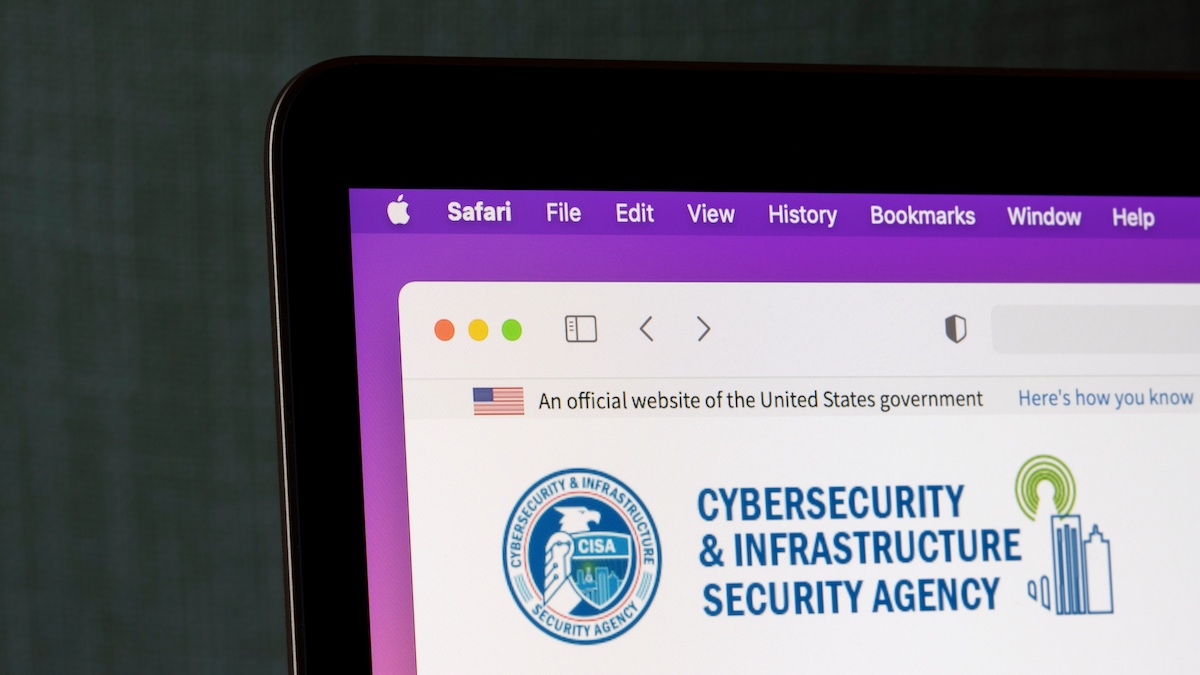
A Russian cyber‑espionage group has leveraged a previously unknown zero‑day vulnerability in Microsoft Exchange's Outlook Web Access (OWA) to obtain persistent mailbox access. The exploit enables long‑term control, raising serious concerns for organizations worldwide.
Key Takeaways
- Zero‑day in Exchange OWA used for long‑term mailbox access
- Exploited by a Russian‑backed hacking group
- Potential impact on thousands of enterprises globally
Exploit Details
Security researchers have confirmed that a Russian‑aligned espionage team discovered a new zero‑day in the Outlook Web Access component of Microsoft Exchange servers. The flaw allows attackers to open and control a mailbox without user credentials, enabling covert data extraction for months.
Historical Background
Exchange servers have been repeatedly targeted over the past few years, notably with the 2021 "ProxyLogon" and 2022 "Hafnium" vulnerabilities. Those incidents highlighted the need for rapid patching and robust multi‑factor authentication (MFA) across enterprises.
Why This Matters
BozokMedia analysis shows that prolonged mailbox access can lead to large‑scale data exfiltration, credential harvesting, and espionage campaigns targeting critical infrastructure.
"This OWA zero‑day represents a significant escalation in threat actor capabilities, bypassing many traditional defenses," says cyber‑security expert Dr. Emily Carter.
Frequently Asked Questions
Question 1: Does this zero‑day affect all Exchange versions?
Answer: It currently targets most installations from Exchange 2013 through 2019, though investigations are ongoing.
Question 2: What immediate steps should organizations take?
Answer: Deploy all available security updates, enforce MFA, and tighten monitoring for unauthorized OWA logins.