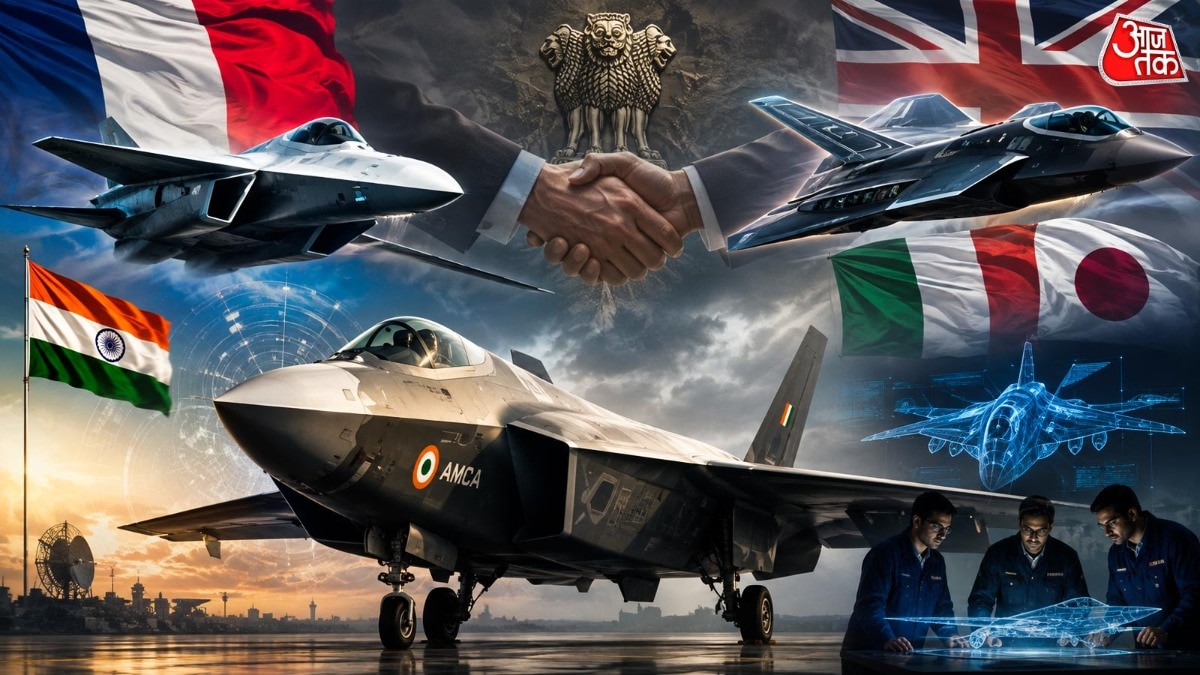
In a strategic move to dominate the skies, India is planning to collaborate with France to develop 6th-generation fighter jets, aiming to surpass the capabilities of China and the United States.
Key Takeaways
- India and France exploring collaboration for 6th-Gen fighter jet technology.
- A massive proposal for 114 Rafale jets with local manufacturing components.
- Major Indian conglomerates like TATA, L&T, Mahindra, and HAL likely to participate.
- Shift in strategy from Russian aircraft to advanced Western and indigenous tech.
India is gearing up for a monumental shift in its aerial warfare capabilities. Reports suggest that the Indian government is eyeing a strategic partnership with France to co-develop 6th-generation fighter jets. This move is designed to position India as a global superpower, capable of rivaling the advanced air forces of China and the United States.
The 114 Rafale Deal: A Blueprint for Self-Reliance
The momentum is building around a potential deal involving 114 Rafale fighter jets. France has reportedly submitted a proposal that emphasizes manufacturing within India and integrating indigenous components. This 'Make in India' approach aims to transform the country from a mere importer to a global defense manufacturing hub.
Why This Matters
BozokMedia analysis shows that this transition marks the end of India's heavy reliance on Russian aviation platforms like the MiG-21 and Su-30MKI. By pivoting toward French technology and domestic innovation, India is securing its long-term strategic autonomy in an increasingly volatile Indo-Pacific region.
The integration of AI, advanced stealth, and unmanned loyal wingman technology will define the 6th-gen era, and India is positioning itself at the forefront.
Industry giants including TATA, L&T, Mahindra, and the state-owned HAL are expected to play pivotal roles in this massive industrial undertaking, ensuring that the economic benefits of defense spending remain within the country.
Historical Background
For decades, India's air superiority was largely maintained through Soviet and Russian-origin aircraft. However, as these platforms age, the necessity for a technological leap has become undeniable, prompting the current shift toward high-tech Western collaborations and indigenous development programs like AMCA.
Frequently Asked Questions
1. What makes a 6th-generation fighter jet different?
They will feature advanced stealth, AI-driven autonomy, and the ability to control unmanned drones during combat.
2. Will this deal boost India's economy?
Yes, through massive localization and the involvement of major Indian private and public sector companies.