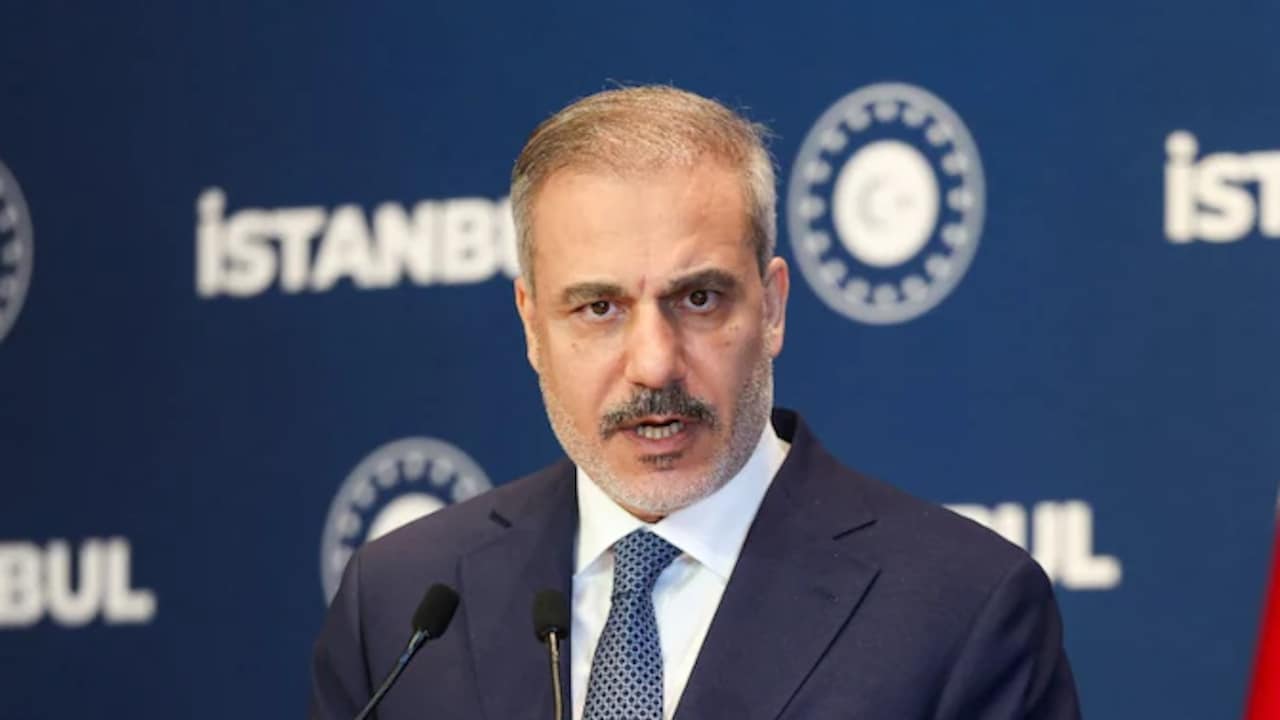
Turkish Foreign Minister Hakan Fidan emphasized that the new defence pact is not aimed at Iran, but serves as a general commitment to support the security of the three partners. The agreement, signed by Turkey, Pakistan and Saudi Arabia, mirrors NATO’s framework.
Key Takeaways
- Collective security commitment among three allies
- Agreement does not target Iran
- Modeled after NATO’s defence framework
Turkish Foreign Minister Hakan Fidan stated that the new alliance is not aimed at Iran or any other nation, but serves as a general pledge to support the security of the three partners.
The defence pact, signed by Turkey, Pakistan and Saudi Arabia, commits each party to strategic cooperation, intelligence sharing and joint military exercises.
Historical Background
Turkey has long been an active NATO member and has participated in numerous bilateral and multilateral security agreements over the past decades. Observers frequently liken the new pact to a “NATO‑style” arrangement because it rests on similar strategic principles.
Why This Matters
BozokMedia analysis shows that the pact could reshape regional power dynamics, offering a counter‑balance to Iran’s influence while aligning three key Middle Eastern players with Western defence standards.
“This trilateral pact signals a strategic shift towards collective security rather than bilateral rivalries.” – Dr. Aisha Khan, Regional Security Analyst
Frequently Asked Questions
Q1: Does the pact specifically target Iran?
A1: No, the foreign minister emphasized that the agreement is not directed against any particular country.
Q2: What impact might this have on regional security?
A2: It is expected to enhance the participating nations’ military capabilities and promote stability in the region.