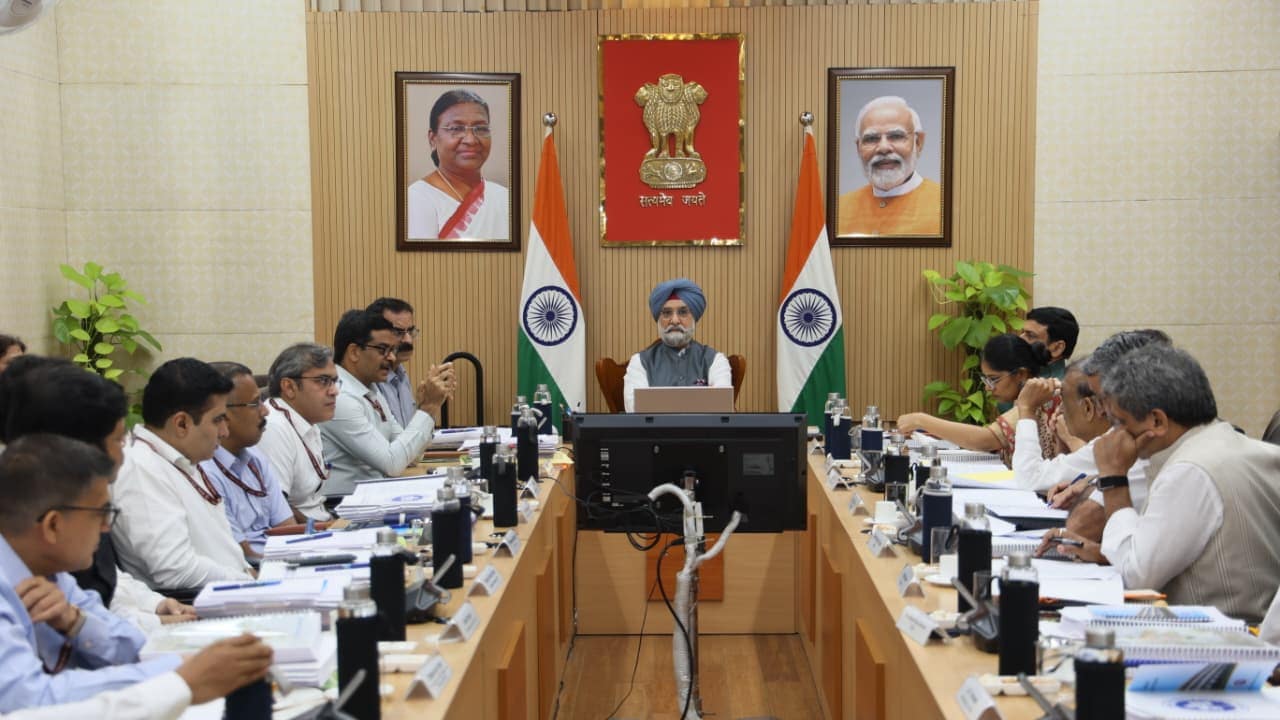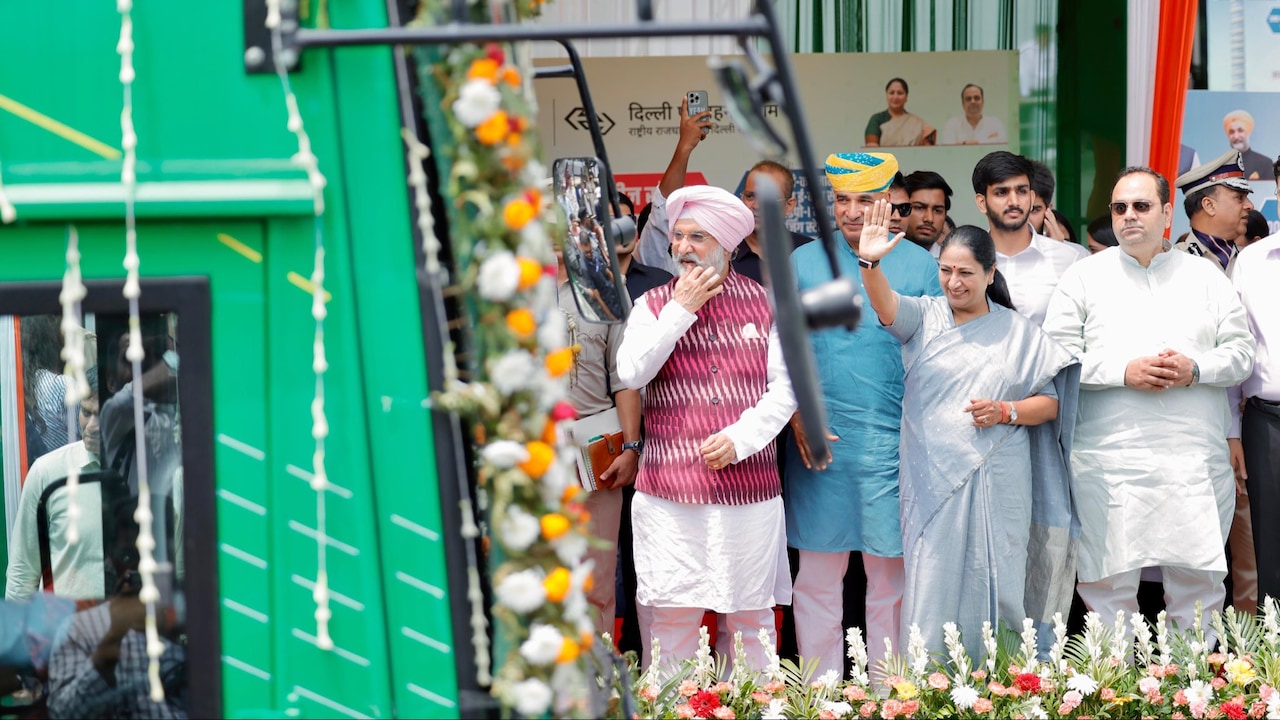
To enhance safety and convenience, Delhi has introduced 56 dedicated electric buses for women, specifically targeting peak hour commutes for workers and students.
- Introduction of 56 dedicated electric buses for women in Delhi.
- 30 'Ladies Special' trips across 15 high-demand routes.
- 26 'University Ladies Special' (U-Spl) trips on 13 routes.
- Services are optimized for morning and evening peak hours.
In a significant move to bolster urban mobility and safety, Delhi has officially rolled out 56 special electric buses (E-Buses) dedicated exclusively to women. This strategic initiative is designed to cater to the specific commuting patterns of working professionals and college-going students, ensuring a smoother journey during the most congested times of the day.
The new service is meticulously structured into two distinct categories. The first segment consists of 30 'Ladies Special' trips operating across 15 high-demand routes, focusing on major commercial and residential hubs. The second segment features 26 'University Ladies Special' (U-Spl) trips across 13 routes, specifically curated to facilitate the movement of students traveling to and from various educational institutions.
Why This Matters
BozokMedia analysis shows that dedicated transit services for women are critical for increasing female labor force participation. By providing reliable and safe transport during peak hours, the city reduces the 'commuter stress' that often acts as a barrier to women entering the workforce or pursuing higher education in distant areas.
Dedicated female transit services are not just a convenience; they are a fundamental component of gender-inclusive urban planning.
Beyond social impact, this move aligns with Delhi's broader environmental goals. By utilizing Electric Buses, the transport department is simultaneously addressing air quality concerns and reducing the overall carbon footprint of the city's public transport network.
Historical Background
Over the last decade, Delhi has undergone a massive transformation in its public transport infrastructure. From the expansion of the Delhi Metro to the aggressive induction of electric buses, the focus has consistently shifted toward sustainability and inclusivity. This latest rollout is the next logical step in creating a gender-sensitive transport ecosystem.
Frequently Asked Questions
1. When will these buses operate?
The services are scheduled to run primarily during morning and evening peak hours to assist commuters during their busiest times.
2. Which routes are covered?
The services cover 15 high-demand routes for general ladies' trips and 13 specific routes for university students.