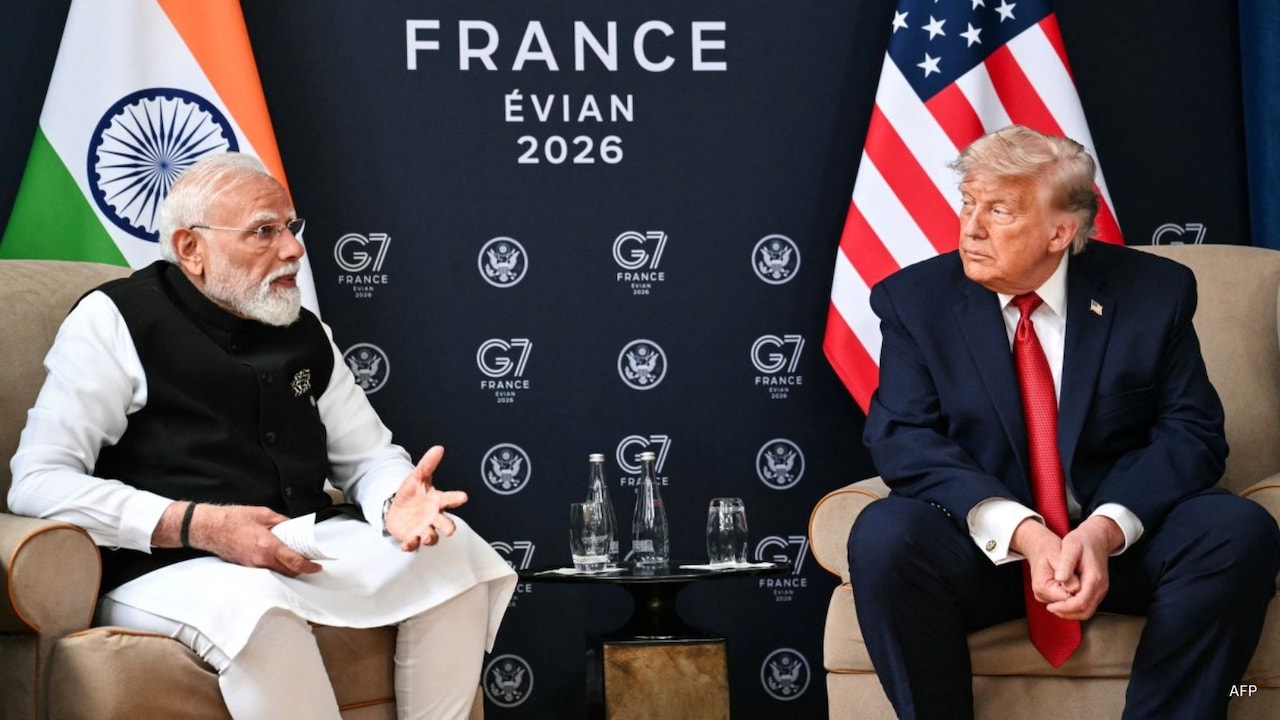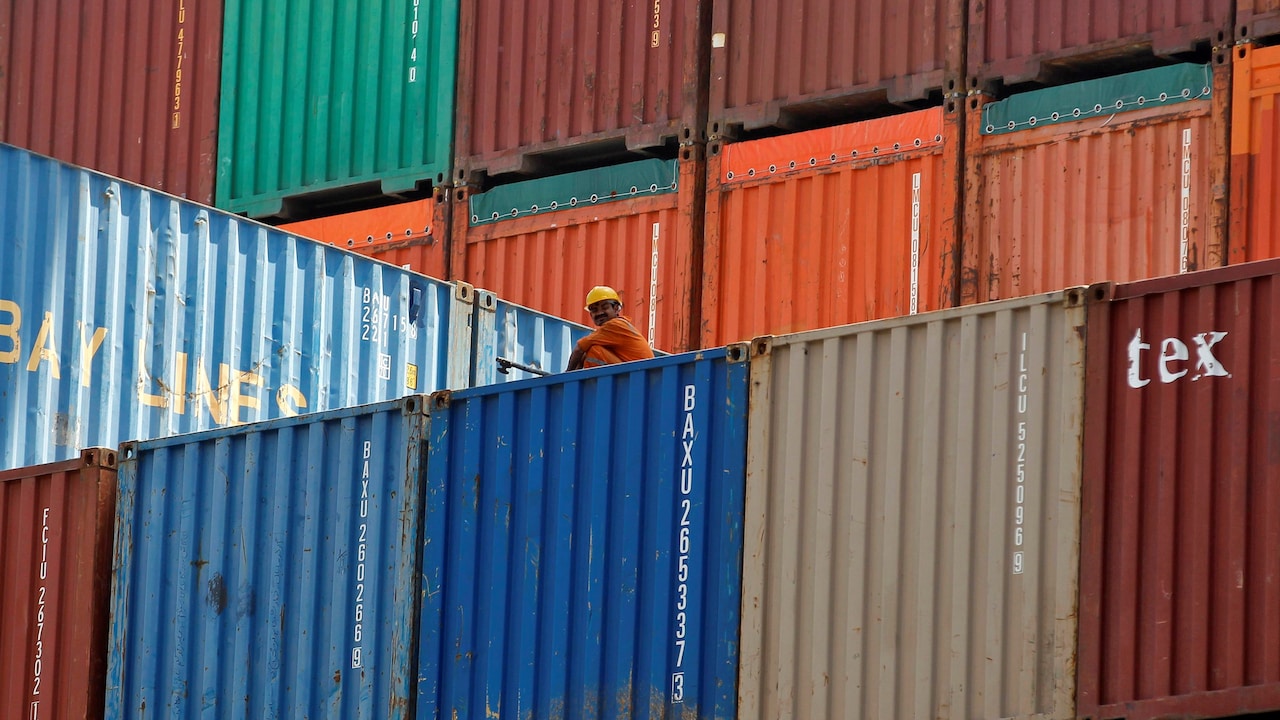
The United States has cut the tariff on Indian imports to 10%, down from a proposed 12.5%, after New Delhi amended its trade policy to ban forced‑labour goods. The move signals a calibrated enforcement approach while preserving the strategic India‑US economic partnership.
Key Takeaways
- US lowers tariff on Indian goods to 10%.
- India amended its foreign‑trade policy to prohibit forced‑labour imports.
- The adjustment strengthens bilateral trade while promoting workers’ rights.
The United States, invoking Section 301 of the Trade Act, imposed a 10 % tariff on goods imported from India, replacing an earlier proposal of 12.5 %. The reduction acknowledges New Delhi’s policy shift that now bans products made with forced labour.
On 14 June, India revised its foreign‑trade regulations to bar imports of items produced under forced‑labour conditions. Following this amendment, U.S. Trade Representative Jamieson Greer announced the lower rate, stating it would encourage economies to enforce such prohibitions effectively.
The broader action targets 60 economies, with 17—including India, Canada, the UK, Bangladesh and Pakistan—receiving the 10 % rate, while the remaining 43 face a 12.5 % tariff. Countries lacking robust forced‑labour bans, such as China and Japan, are subject to the higher rate.
Historical Background
In 2025, President Trump introduced the “Liberation Day” tariffs, which the Supreme Court struck down in February 2026. A uniform 10 % tariff was then applied to all nations, set to expire on Friday. India’s policy amendment during this period prompted the reduction to 10 %.
Why This Matters
BozokMedia analysis shows that this step not only safeguards human rights but also re‑energizes economic cooperation between the two powers, especially as India remains the United States’ second‑largest trading partner.
"The tariff cut sends a clear signal to Indian exporters that access to the U.S. market is becoming more affordable," notes international trade expert Dr. Rajat Singh.
| Country Group | Tariff Rate |
|---|---|
| India, Canada, UK, Bangladesh, Pakistan | 10 % |
| Other 43 economies (e.g., China, Japan) | 12.5 % |
Frequently Asked Questions
Q1: Will the lower tariff translate into cheaper prices for Indian products in the U.S.?
A: Potentially, U.S. importers will benefit from reduced duties, which could lower retail prices, though market dynamics will ultimately decide the impact.
Q2: Could this policy push other nations to tighten their forced‑labour regulations?
A: Analysts believe the move sets a precedent, encouraging other economies to adopt stricter bans to avoid higher tariffs.