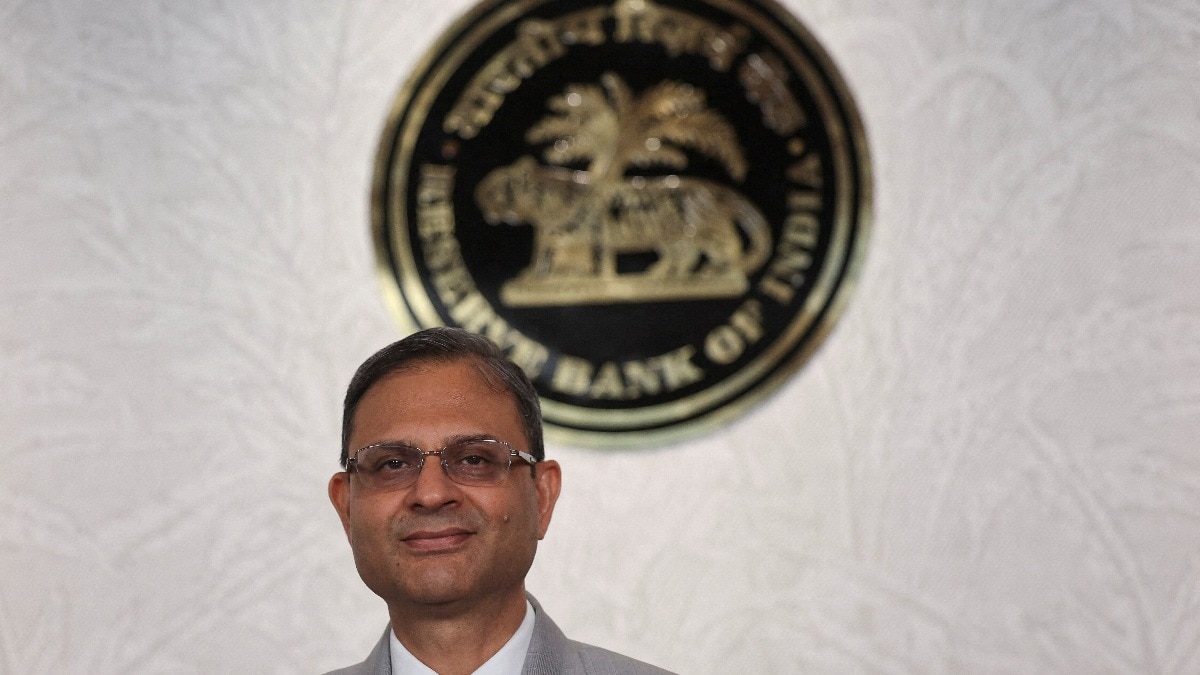
The Reserve Bank of India is expected to keep policy rates unchanged at its August Monetary Policy Committee meeting, as persistent inflation dampens hopes for another cut. This article breaks down five crucial factors that will shape the decision.
Key Takeaways
- Inflation easing slightly but still above target
- Global rate environment remains steady, influencing capital flows
- Fiscal deficit and oil prices could reignite price pressures
- Policy lag means effects materialize after 12‑18 months
- Market expectations and RBI credibility at stake
The Reserve Bank of India (RBI) is poised to maintain the status quo on interest rates during the August Monetary Policy Committee (MPC) meeting. Ongoing inflation concerns have tempered expectations of an additional rate cut.
Five Factors Likely to Influence the Decision
First, inflation trends—the Consumer Price Index (CPI) has shown modest improvement, yet it remains above the 4%±2 target band. Second, global rate dynamics—major economies are holding rates steady, affecting foreign capital inflows into India. Third, fiscal deficit and oil prices—a widening fiscal gap and volatile crude prices could push inflation higher. Fourth, policy lag—monetary actions typically take 12‑18 months to fully impact the economy, prompting RBI caution. Fifth, market expectations—the central bank often aligns its moves with market sentiment to preserve credibility.
Historical Background
In the past two years, RBI cut rates three times, primarily to counter post‑COVID slowdown. Late 2023 saw a resurgence of price pressures, leading to a more hawkish stance and a pause on further easing.
Why This Matters
BozokMedia analysis shows that a steady‑rate stance will influence loan costs for SMEs, consumer credit, and foreign investment flows, making it a pivotal moment for India’s growth trajectory.
"RBI’s decision to hold rates reflects a balancing act between curbing inflation and sustaining growth, a tightrope that many emerging markets are walking today," says Dr. Ananya Sharma, senior economist at Delhi Institute of Finance.
Frequently Asked Questions
Q1: Is there any chance of a rate cut in the upcoming meeting?
A1: Based on current data, a cut appears unlikely; most analysts forecast a hold.
Q2: How would a hold decision affect consumer loans?
A2: Holding rates keeps existing loan servicing costs steady, providing modest relief to borrowers.