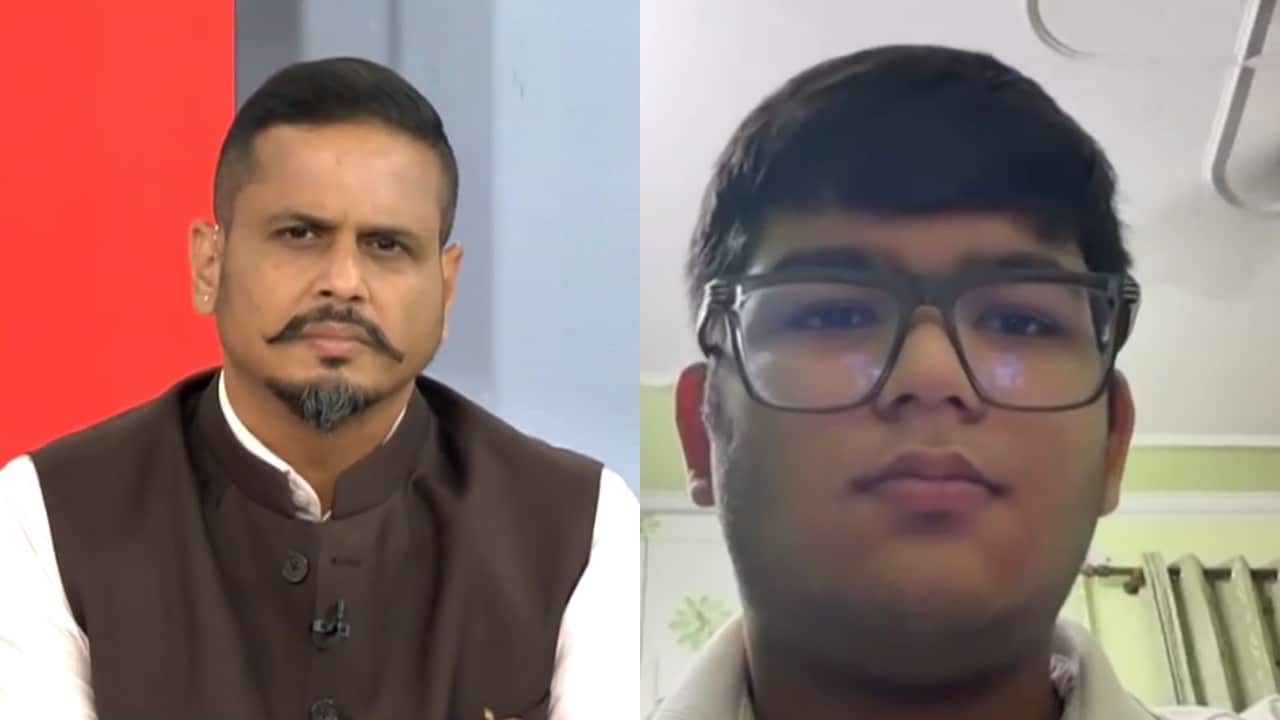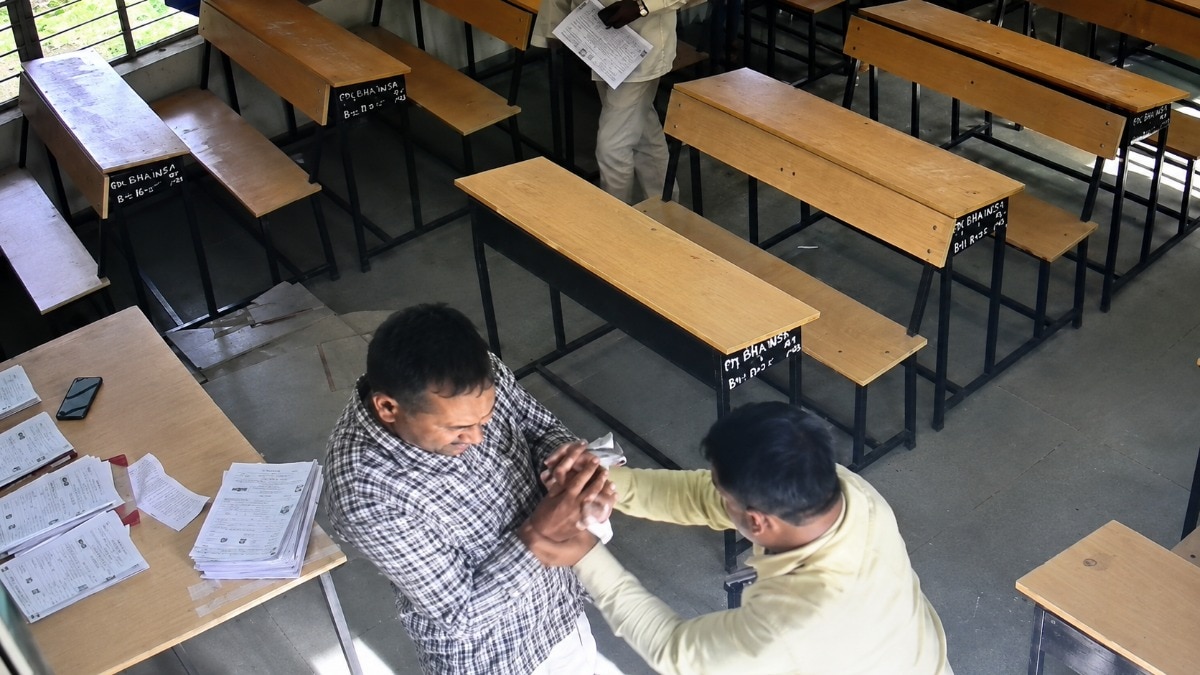
A principal was attacked at a Telangana college after a student was discovered cheating during an exam. The incident raises serious concerns about safety and integrity in Indian educational institutions, prompting authorities to launch an investigation.
A recent violent episode at a private college in Telangana has spotlighted glaring gaps in campus security protocols. When a student attempted to cheat using hidden notes and electronic devices, the college principal, Dr. Ravish Kumar, intervened to stop the misconduct.
Details of the Assault
According to official statements, the principal confronted the student and warned of disciplinary action. Within minutes, a group of unidentified individuals assaulted Dr. Kumar, leaving him injured and the campus in a state of panic. Witnesses reported that the attackers seemed intent on silencing the principal’s attempt to enforce exam rules.
Legal and Administrative Response
The Telangana Higher Education Department immediately announced a probe, emphasizing a zero‑tolerance stance toward violence on academic premises. Police have secured CCTV footage, conducted forensic analysis, and are actively pursuing the perpetrators.
Need for Robust Campus Security
Experts argue that Indian colleges often lack comprehensive safety measures, especially during high‑stakes examinations. Recommendations include increased surveillance, trained security personnel, and clear emergency response plans. Moreover, a breakdown in trust between faculty and students can exacerbate such confrontations.
Future Preventive Measures
The Ministry of Education has already issued guidelines mandating digital monitoring, biometric verification, and dedicated hotlines for reporting threats. Implementing these protocols could mitigate the risk of violent incidents. Additionally, incorporating self‑defence and crisis‑management modules into teacher training programs is deemed essential.
Overall, the assault underscores the urgent need to balance academic integrity with the physical safety of educators. It serves as a stark reminder that without robust protective frameworks, the learning environment remains vulnerable to disruption.