The last CCTV clip from Amira’s classroom reveals unsettling behavior and possible security lapses, sparking a nationwide debate on school surveillance and child safety.
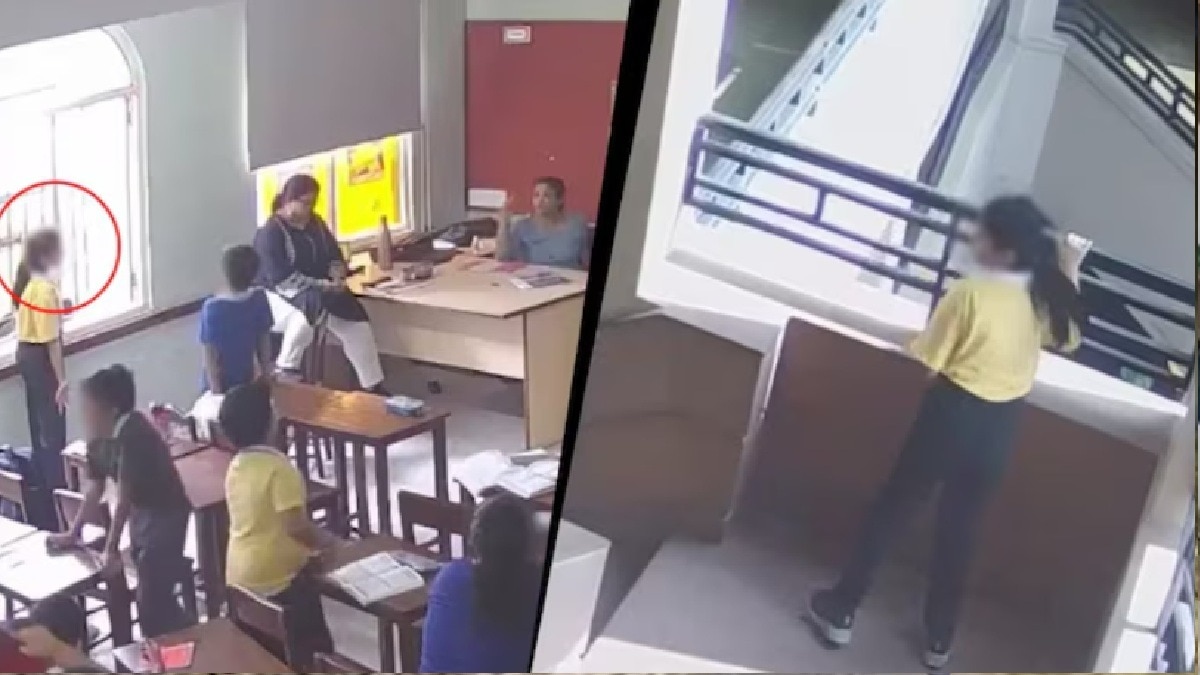
Tragedy struck when 9‑year‑old student Amira was found dead inside a private primary school on July 12, prompting a wave of grief across the nation. Her parents released a 30‑second CCTV excerpt that captures her final moments in class, raising urgent questions about what actually transpired and where safety protocols failed.
Chronology of the Incident
Amira was attending her regular morning session when she suddenly collapsed. School staff called an ambulance immediately, but she was declared dead before reaching the hospital. The released video shows Amira seated at her desk, abruptly standing up, and exhibiting odd gestures before she appears to lose consciousness.
Potential Gaps in Surveillance
Although the classroom is equipped with multiple cameras, the footage reveals blind spots—particularly in the corners where shadows obscure clear view. Experts argue that mere installation without comprehensive coverage and real‑time monitoring renders CCTV ineffective. While several Indian states have mandated school‑wide CCTV, enforcement remains uneven.
Intersection of Education and Health Safety
Amira’s death underscores not only a security issue but also a glaring deficiency in on‑site health care. Studies consistently show that schools lacking regular health screenings, emergency response training, and mental‑health support place children at heightened risk. In this case, the absence of a school nurse or first‑aid responder likely exacerbated the outcome.
Legal Implications and Future Directions
Authorities have opened an investigation under Section 304‑A of the Indian Penal Code, which deals with death caused by negligence. Civil society groups are now urging a mandatory ‘Safety Audit’ alongside CCTV, demanding an integrated protocol that combines video surveillance, entry‑exit logs, and health records on a single platform.
Public Reaction
Following the video’s viral spread, parents nationwide have called for full CCTV reports from their children’s schools. The incident has amplified calls for a comprehensive ‘School Safety Act’ that standardises emergency procedures across the country.
Ultimately, Amira’s heartbreaking story serves as a stark reminder that technology alone cannot guarantee safety; it must be woven into an active, responsive protection system. Schools must move beyond passive camera installation to a model that ensures swift intervention, continuous monitoring, and accountability.