Congress senior leader Jairam Ramesh labelled the proposed VBSA Bill as overly centralised and a threat to university autonomy, urging Andhra Pradesh's chief minister to take a bold stand if the legislation harms state interests.
Key Takeaways (मुख्य बिंदु)
- Congress urges NDA‑ruled states to reject the VBSA Bill
- The bill centralises higher‑education power, eroding state authority
- Potential impact on university autonomy and grant allocation
Congress General Secretary (Communications) Jairam Ramesh on July 10, 2026 appealed to NDA‑ruled states, especially Andhra Pradesh, to mount a firm opposition to the Viksit Bharat Shiksha Adhishthan 2025 (VBSA) Bill when it is tabled in the Monsoon Session of Parliament. Posting on X, he warned that if the bill harms state interests, the chief minister must “stand up boldly and be counted.”
Centralisation at the Core of the Bill
Ramesh argued that the legislation exceeds Parliament’s authority under Entry 66 of the Union List, which is limited to coordination and standard‑setting in higher education. By encroaching on matters such as the incorporation, regulation, and winding‑up of universities, the bill transfers powers traditionally vested in state governments to the Union Education Ministry.
Shift in Grant‑Disbursement Mechanisms
The Congress leader highlighted the absence of a dedicated grants council in the new structure. The National Education Policy 2020 had envisaged a Higher Education Council of India with four verticals, including one for grant allocation. The VBSA Bill, however, proposes only three councils, effectively moving grant‑disbursement authority from bodies like the University Grants Commission (UGC) and the All India Council for Technical Education (AICTE) to the central ministry, tightening control and curbing institutional independence.
Implications for Institutes of National Importance
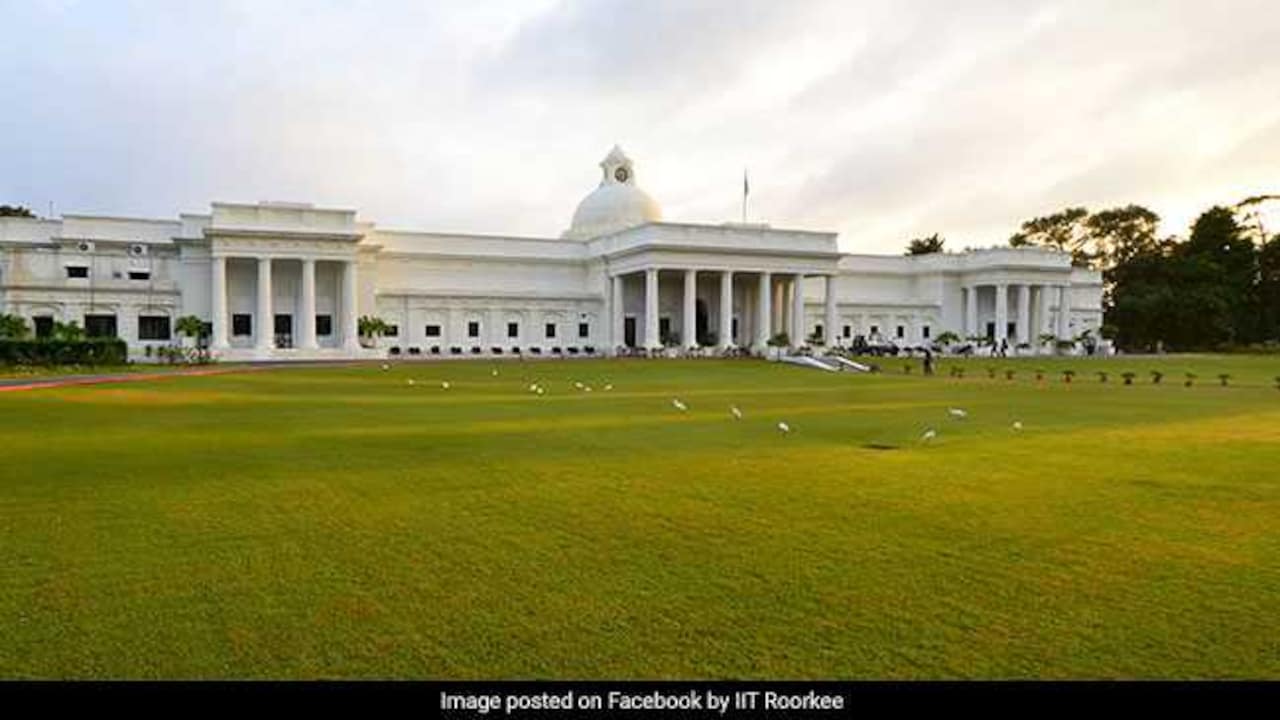
Ramesh also warned that the bill’s overriding provisions could bring premier institutions—IITs, IIMs, NITs, IIITs, and IISERs—under the regulatory ambit of the new commission. These institutes currently enjoy substantial autonomy under existing statutes; a shift could stifle innovation and diminish their global competitiveness.
Erosion of Consultative Processes
Under the current UGC Act, the commission must consult universities on standards, regulations, and inspections. The proposed VBSA framework grants the new councils sweeping powers to set standards and conduct inspections without a statutory requirement for consultation, weakening the participatory checks that safeguard academic freedom.
Congress stresses that the future of Indian higher education rests on a democratic partnership between centre and states, with clear demarcation of responsibilities. Allowing the bill to pass unchallenged would erode the federal principles enshrined in the Constitution and undermine the autonomy that has historically driven the nation’s premier educational institutions.