Delhi Technological University (DTU) has launched two integrated BSc‑MSc programmes in Data Science and Applied Statistics for the 2026‑27 academic year, alongside a new Economics double‑major track for BTech students. The initiatives also include a 4‑1 accelerated BTech‑MS partnership with the University of Houston, reflecting a push toward interdisciplinary and industry‑linked education.
Key Takeaways
- DTU rolls out integrated BSc‑MSc programmes in Data Science and Applied Statistics.
- A new Economics double‑major track for BTech students incorporates AI‑driven economic analysis.
- Collaboration with the University of Houston introduces a 4‑1 accelerated BTech‑MS pathway.
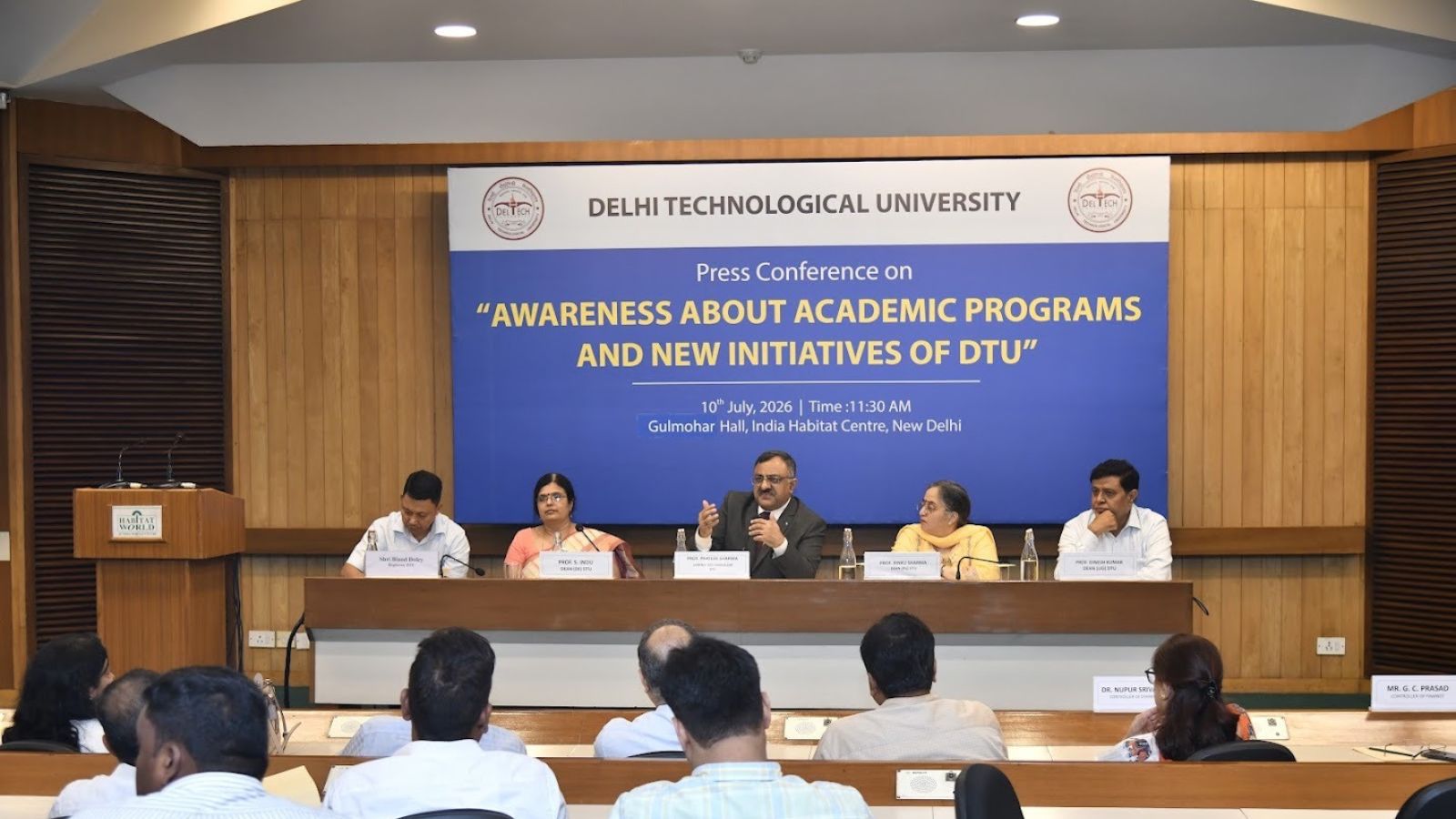
Delhi Technological University (DTU) used its 85‑year anniversary press conference to unveil a suite of academic programmes that align with India’s National Education Policy 2020. Starting in the 2026‑27 session, the university will offer two integrated BSc‑MSc degrees—Data Science and Applied Statistics—designed to equip undergraduates with advanced analytics, machine‑learning, and statistical modeling skills demanded by today’s data‑driven economy.
Economics Double‑Major for BTech Students
In a landmark move toward interdisciplinary learning, DTU introduced a double‑major track in Economics for BTech students beginning 2026‑27. The curriculum features courses such as Network Economics, Platform Economics, Economics of AI, Game Theory, Mechanism Design, Machine Learning for Economics, and High‑Frequency Algorithmic Trading. By merging engineering rigor with economic theory, the program aims to produce graduates capable of navigating complex market dynamics and driving tech‑centric business strategies.
International Collaboration: 4‑1 Accelerated BTech‑MS
DTU’s partnership with the University of Houston in the United States brings a fast‑track 4‑and‑1 BTech‑MS programme. Eligible students can complete their BTech at DTU and then transition directly into a Master’s program at Houston, with transferable credits subject to admission criteria. This pathway enhances global exposure, research opportunities, and employability for Indian engineers.
Industry‑Linked Micro‑Credentials and Certificates
The university has integrated industry‑recognized micro‑credential programmes in collaboration with bodies such as the National Institute of Solar Energy, Siemens, ANSYS‑Synopsys, and the Wadhwani Foundation. These credentials span renewable energy, semiconductor design, railway signalling, biotechnology, and entrepreneurship. Additionally, a six‑week, 3‑credit certificate on Applied AI, Data Analytics, and Entrepreneurship is now available to students from Class 9 onward, fostering early exposure to cutting‑edge technologies.
Research Milestones and Faculty Support
DTU reported securing nearly 40 patents in the past year and receiving substantial research funding from agencies including ANRF, MeitY, DRDO, ISRO, and the Ministry of Science & Technology. New faculty support schemes—such as the Young Faculty Grant, Equipment Matching Grant, and interdisciplinary research projects—are intended to deepen the university’s research culture and accelerate doctoral completions.
Collectively, these initiatives signal DTU’s ambition to transform from a conventional engineering institute into a multidisciplinary hub that fuels India’s vision of an Atmanirbhar and Viksit Bharat through education, research, and industry collaboration.