India's Parliamentary Standing Committee on Health and Family Welfare will convene on July 16 to scrutinise the functioning of the NTA and NMC and the conduct of the 2026 NEET‑UG exam. This marks the third parliamentary probe into the contested medical entrance test, following two earlier committee reviews.
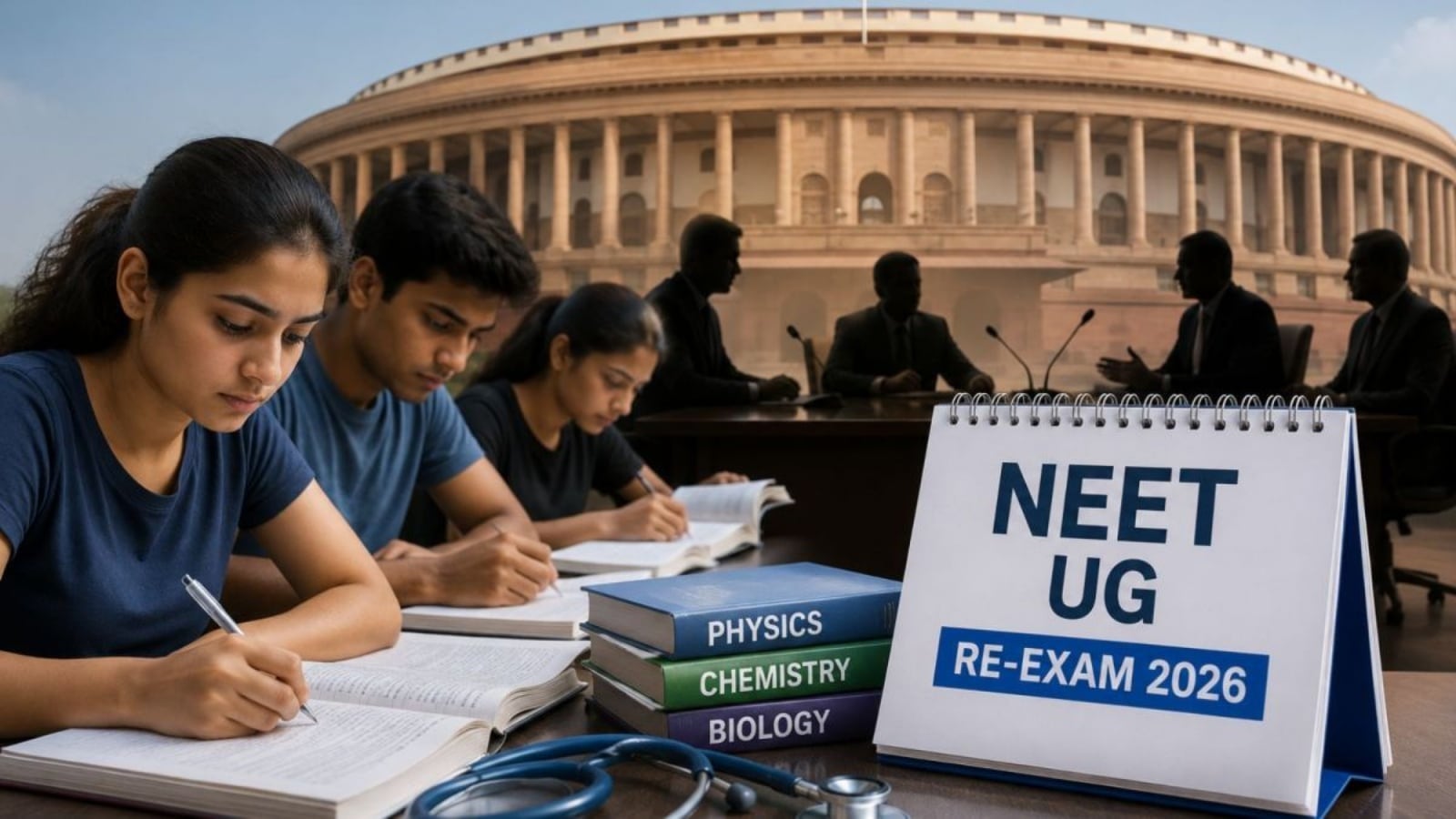
New Delhi – The Parliamentary Standing Committee on Health and Family Welfare has scheduled a dedicated meeting for July 16 to evaluate the organisational structure, mandate and operational efficiency of the National Testing Agency (NTA) and the National Medical Commission (NMC) in relation to the 2026 NEET‑UG examination. The committee, chaired by Samajwadi Party MP Ram Gopal Yadav, will lead the discussion.
Background and Earlier Hearings
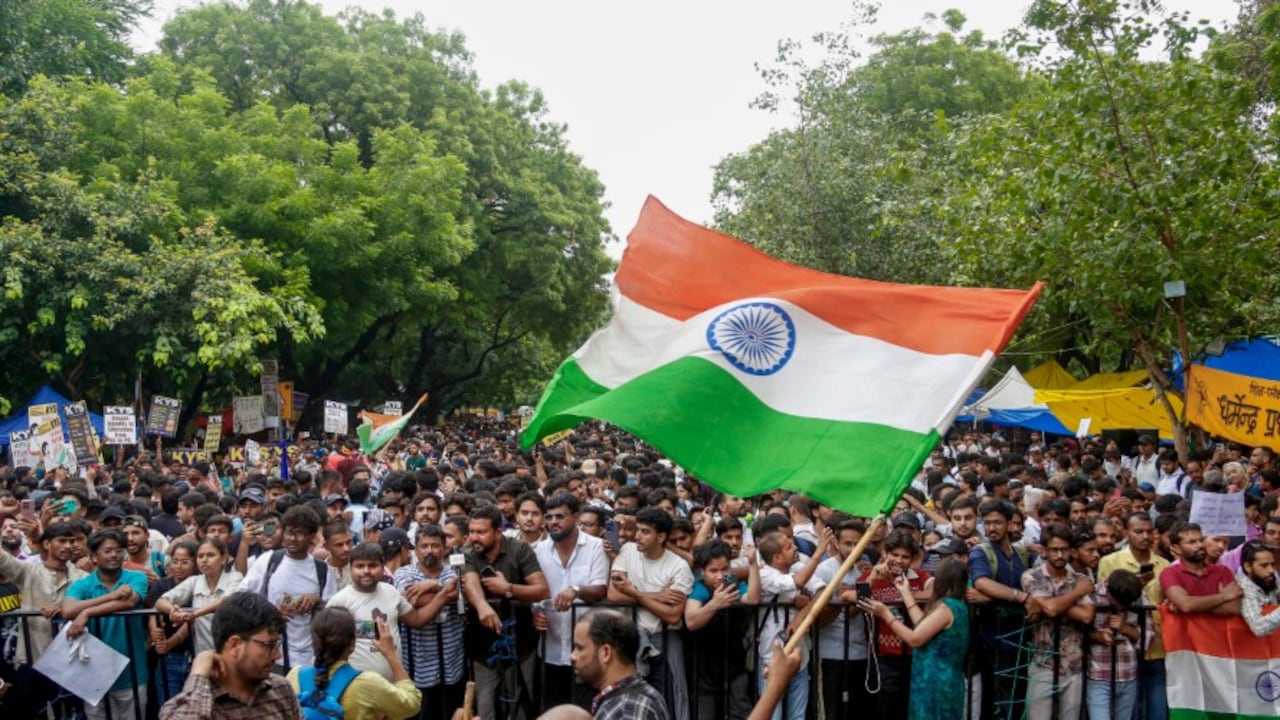
NEET was originally held on May 3, 2026, but was cancelled after allegations of a paper leak and re‑conducted on June 21. The incident sparked nationwide concerns about exam security, regulatory autonomy and transparency. Two prior parliamentary committees – the Committee on Education, Women, Children, Youth and Sports and the Committee on Government Assurances – examined the matter, yet concrete reforms remain pending.
Agenda for the July 16 Session
The committee intends to focus on several key points:
- Assessing the organizational structure, mandate and functional proficiency of regulatory bodies under the Ministry of Health and Family Welfare.
- Reviewing the conduct of NEET examinations under the NMC Act, 2019 and identifying procedural gaps.
- Exploring technological and administrative safeguards NTA can adopt to prevent future paper leaks.
- Considering the grant of statutory status to NTA to ensure stronger legal powers and institutional independence.
Pre‑session on Healthcare Accessibility
On July 15, the same committee will hold a separate meeting to discuss the affordability and accessibility of public and private healthcare facilities. This dual‑track approach underscores the government's recognition that reforms in health policy and medical education are interlinked.
Why This Matters?
The credibility of a nationwide exam like NEET directly shapes the pipeline of future doctors. Without robust regulatory performance, both the quality of medical graduates and the overall health system risk long‑term erosion.
Potential Outcomes and Next Steps
Based on the committee’s findings, there could be a push in Parliament to confer permanent statutory status on the NTA, strengthening its legal standing. Additionally, the NMC may be directed to adopt more transparent protocols for exam administration, reducing the likelihood of future leaks. Such reforms would restore confidence in the medical entrance process and, by extension, improve the standard of healthcare delivery across the country.