What career paths would open if ‘Expert Mother’ became an official qualification? The notion has ignited a heated debate among Indian women graduates and policymakers alike.
Key Takeaways
- ‘Expert Mother’ lacks any formal syllabus or certificate, yet it shapes societal expectations.
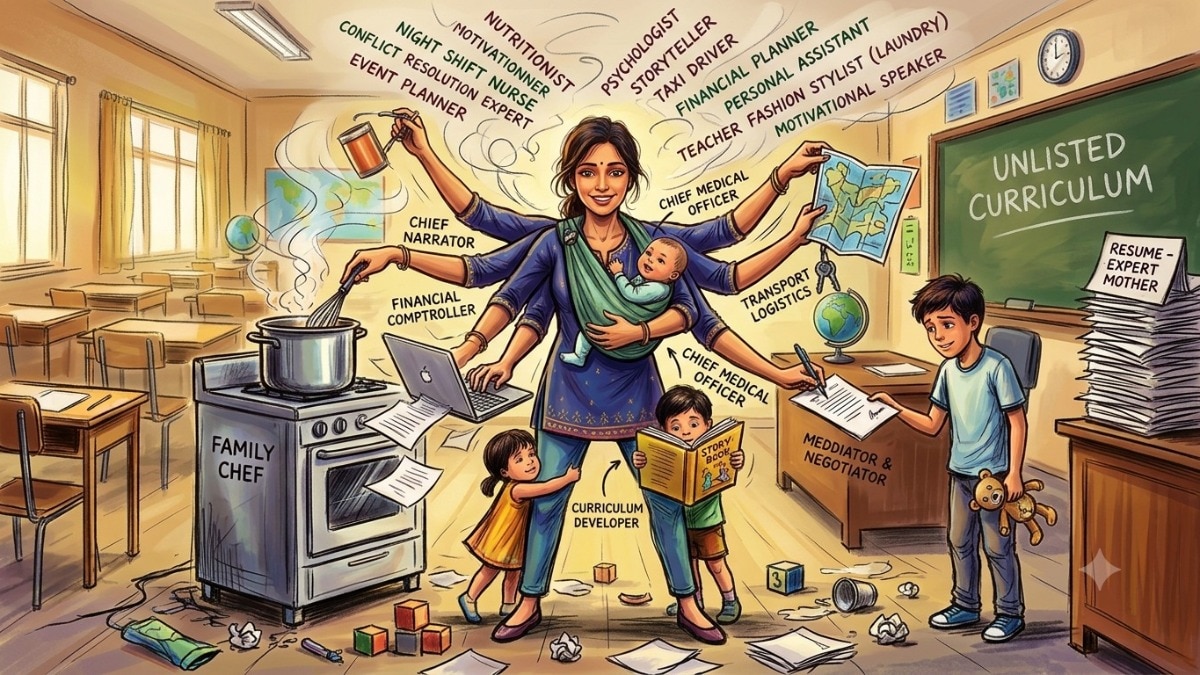
- Motherhood skills—budgeting, crisis management, emotional intelligence—align with corporate leadership competencies.
- Despite rising education levels, women’s labour‑force participation remains disproportionately low.
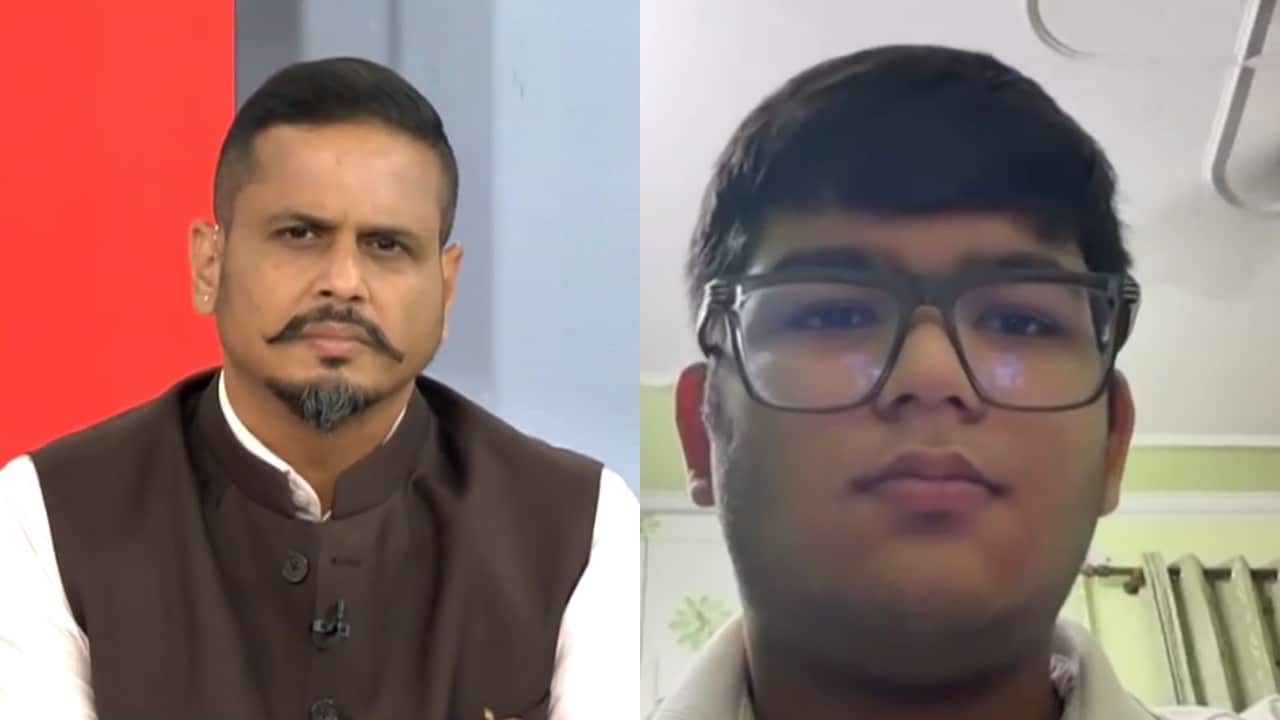
Every professional qualification in India comes with a curriculum, an exam and a certificate. “Expert Mother” is just a phrase—no syllabus, no examiner, no proof of passing. Yet the term influences countless women’s career trajectories, especially after Uttar Pradesh Governor Anandiben Patel urged fresh graduates to “become an expert mother first, then an IAS officer.”
Background and Societal Expectations
This advice contrasts sharply with the UPSC Civil Services Exam, which is transparent, publicly documented and rigorously evaluated. In the case of “expert mother,” the evaluator is society at large—family members, neighbours, social media, and cultural norms. The core question is whether this expectation elevates motherhood to a professional skill or traps women in a double‑standard paradox.
Education Gains vs. Workforce Participation
According to the latest AISHE 2023‑24 data, women have out‑numbered men in undergraduate enrolment for the seventh consecutive year, with a female GER of 31.2 % against 28.9 % for men. However, the Periodic Labour Force Survey (PLFS) reported that the female labour‑force participation rate (LFPR) in May 2026 was only 32.8 %, with rural participation at 36.7 % and urban at 24.8 %. The gap shows that higher education does not automatically translate into equal workforce representation; motherhood is often reduced to a “career gap” on resumes.
Motherhood Skills: Unrecognised Leadership Assets
Budgeting, scheduling, conflict resolution, crisis management and emotional intelligence are all core competencies of senior corporate roles. The International Labour Organization labels the systemic disadvantage as the “motherhood employment penalty,” while fathers often benefit from a “fatherhood premium.”
Path Forward
If employers truly value resilience, multitasking and stakeholder management, they must re‑evaluate how they treat career breaks taken for caregiving. Recognising those years as transferable experience could transform “expert mother” from a rhetorical accolade into a genuine professional credential.