The Maharashtra government will introduce a bill to regulate private coaching institutes, while reinforcing the National Education Policy with mandatory skill‑oriented learning and industry partnerships. The move aims to curb unchecked coaching fees and align education with employability.
Key Takeaways
- Bill to regulate private coaching to be tabled in the upcoming legislative session
- NEP mandates skill‑based curricula at school and college levels
- EduCity project in Navi Mumbai plans campuses of 50 top global universities
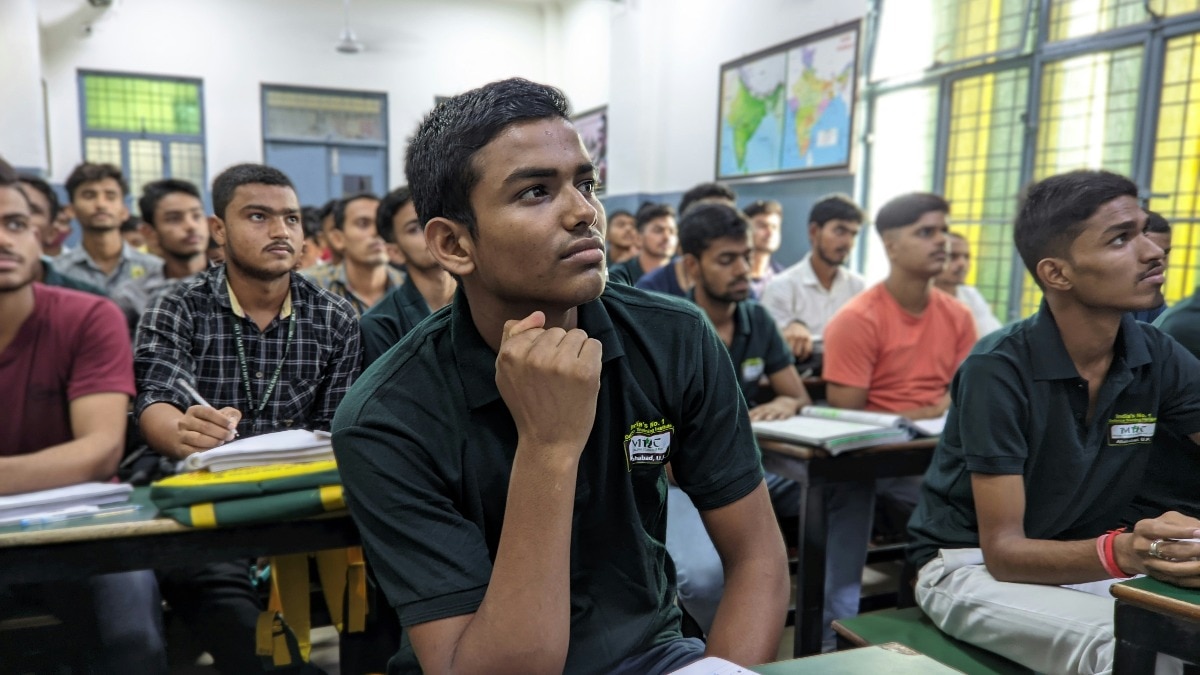
Maharashtra announced its intention to table a comprehensive Bill that will bring private coaching centres under a formal regulatory framework. Education Minister Dada Bhuse, speaking in the Assembly, underscored the need for oversight in a sector that has mushroomed rapidly, often at the cost of transparency and affordability for students.
Why Regulation Matters
In the past decade, private coaching has become a parallel education industry, with fees soaring and quality varying wildly. The state has already imposed fee caps on private schools and set minimum enrolment thresholds—30 students in urban areas and 20 in rural zones—for official recognition. Extending similar controls to coaching institutes is expected to curb exploitative practices, standardise curricula, and protect student interests.
NEP’s Skill‑Based Learning Push
Higher and Technical Education Minister Chandrakant Patil highlighted that the National Education Policy (NEP) places a strong emphasis on mother‑tongue instruction and practical, skill‑oriented learning. Maharashtra has rolled out a detailed roadmap for schools, colleges and universities to embed skill‑based modules into their programmes. From now on, students will be required to complete hands‑on training before they can graduate, ensuring that academic credentials translate into employable capabilities.
Industry Linkages and the EduCity Vision
Patil announced a series of MoUs with leading industries to provide on‑the‑job training, internships and project‑based learning. In tandem, the state is moving ahead with the ambitious EduCity project in Navi Mumbai, earmarking land for around 50 world‑ranked universities to set up campuses. This initiative aims to transform Maharashtra into an international education hub, fostering research, innovation and high‑value academic collaborations.
Implications and Challenges Ahead
While the regulatory bill and skill‑centric reforms promise greater accountability and relevance, their success will hinge on effective implementation. Robust monitoring mechanisms, clear compliance guidelines, and adequate financial incentives will be crucial. Moreover, aligning industry expectations with academic curricula will require continuous dialogue and adaptive policy frameworks.