Midday meal staff under Karnataka's Akshara Dasoha scheme staged a large protest in Shivamogga demanding higher wages, health insurance, and a halt to the scheme's privatization. The demonstration, backed by a major trade union, urges the state government to revisit its policy.
Key Takeaways
- Midday meal workers in Karnataka demand salary increases and oppose privatization of the Akshara Dasoha scheme.
- Hundreds marched to the Deputy Commissioner's office in Shivamogga, highlighting broader labor concerns.
- Demands include a ₹7,000 monthly wage, health insurance, and a ₹25 lakh compensation for death on duty.
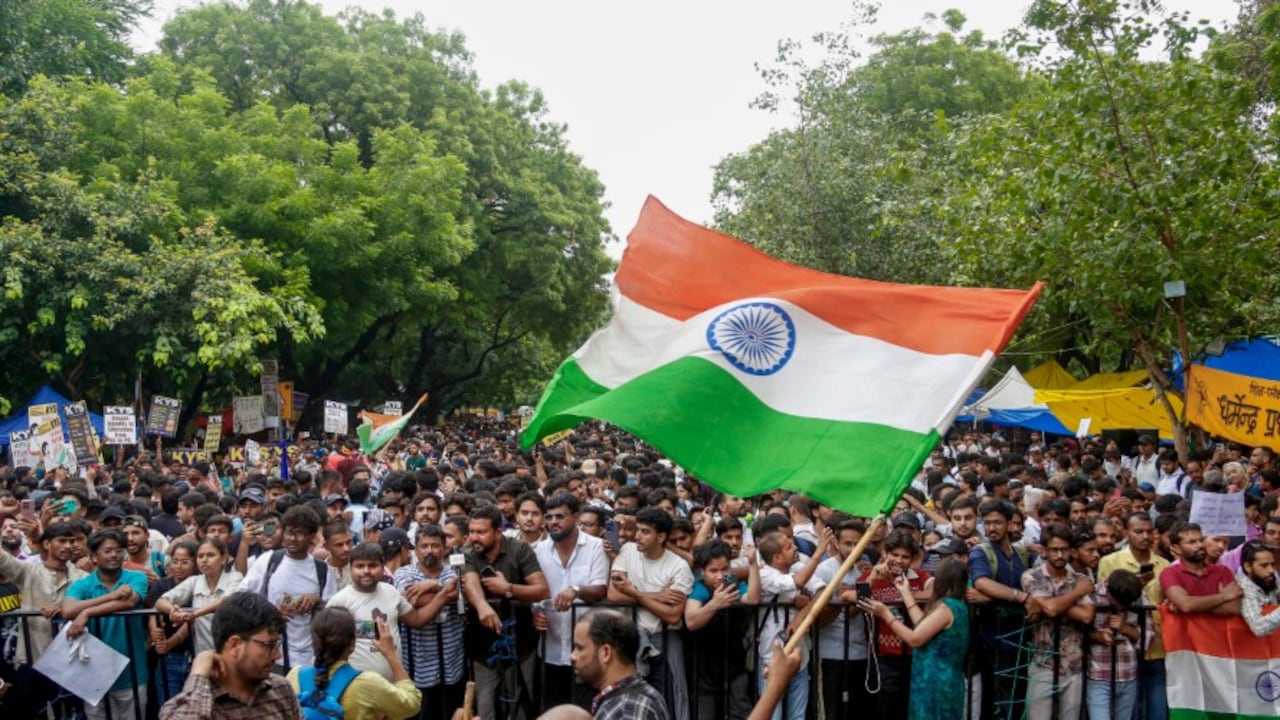
Shivamogga, Karnataka – Employees of the state-run Akshara Dasoha midday meal programme took to the streets on Friday, staging a coordinated protest that underscored growing discontent over wages and the recent push toward privatizing the scheme. The march was organised by the Karnataka State Akshara Dasoha Employees Association, an affiliate of the Centre of Indian Trade Unions (CITU). Participants called for a substantial salary hike and warned that handing the programme over to private operators threatens its core mission.
Background of the Akshara Dasoha Scheme
Launched 25 years ago, the Akshara Dasoha programme was designed to curb school absenteeism by providing free nutritious meals to children from economically disadvantaged families. The initiative has been credited with improving attendance rates and fostering a healthier learning environment. Yet, workers claim that despite rising inflation, the government has not adjusted the scheme’s funding, and recent moves to outsource its implementation have diluted its effectiveness.
Core Demands of the Protestors
In a memorandum addressed to Karnataka’s Chief Minister, the protestors outlined several concrete demands: raise the monthly salary to ₹7,000 as promised by the Congress party in its election manifesto, ensure full payment for all twelve months, provide comprehensive health insurance, and align minimum wages with rulings of the Uttar Pradesh, Punjab and Haryana High Courts. They also stressed the need for job security, fearing that privatization could lead to layoffs as public schools close and private entities take over.
Compensation and Safety Concerns
Beyond wage and security issues, the workers demanded a compensation package of ₹25 lakh for families of employees who might die while on duty. This clause reflects anxieties over occupational hazards and the lack of adequate safety nets for frontline staff delivering meals in remote school locations.
Leadership and Future Outlook
The protest was led by district unit president Hanumamma, general secretary Sunitha, treasurer Suryakala, and other senior officials of the association. They warned that failure to address these concerns could erode trust in the Akshara Dasoha scheme and jeopardise the nutritional support that countless children rely on. As the state grapples with broader educational reforms, the workers’ rally serves as a stark reminder that policy changes must consider the welfare of those who implement them.