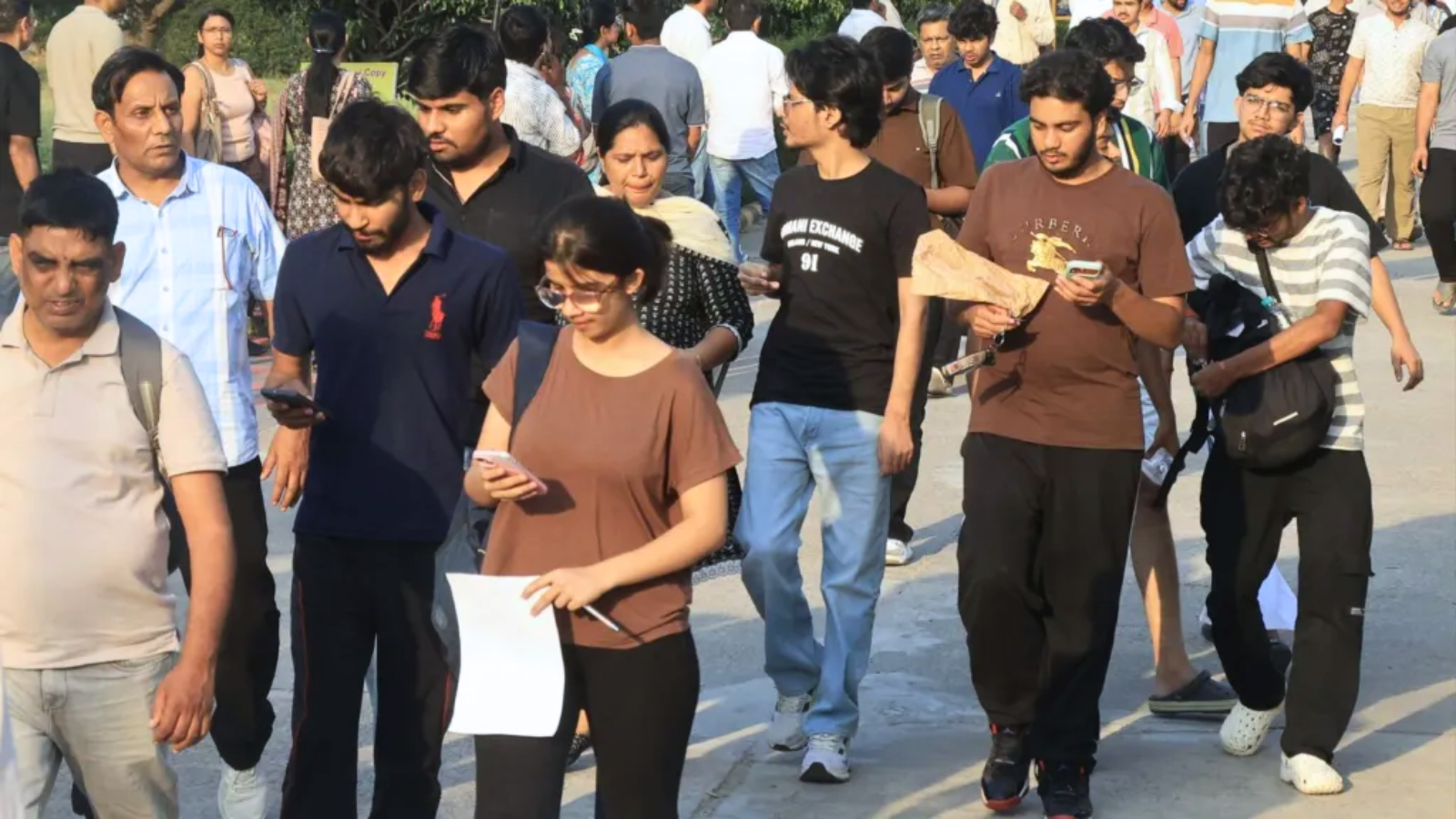
The latest All India Survey on Higher Education (AISHE) 2023‑24 shows the Gross Enrolment Ratio (GER) rising from 23.7 % in 2014‑15 to 30 % in 2023‑24. Women have driven a large part of this growth, narrowing the gender gap in higher education.
Key Takeaways
- GER increased by 6.3 percentage points from 2014‑15 to 2023‑24
- Women’s enrolment grew faster than men’s
- Trend signals progress toward gender parity in higher education
The All India Survey on Higher Education (AISHE) 2023‑24 report reveals a steady climb in India’s Gross Enrolment Ratio (GER), moving from 23.7 % in the 2014‑15 academic year to 30 % in 2023‑24 – a rise of 6.3 percentage points over a decade. This upward trajectory reflects broader access to higher‑education institutions and a maturing education ecosystem.
Women Leading the Growth
Crucially, the surge is propelled largely by female students. While male GER grew at an average annual rate of 0.7 %, women’s GER rose at 0.9 % per year, shrinking the gender gap from roughly 5 % in 2014‑15 to just about 2 % now. The most striking gains appear in STEM programmes, where female representation has improved markedly, challenging long‑standing stereotypes.
Policy Landscape and Historical Context
India’s government has rolled out multiple interventions over the past decade – scholarship schemes for girls, safer campus initiatives, and expansive digital‑learning platforms. The National Education Policy 2020 (NEP‑2020) explicitly emphasizes gender equity, encouraging institutions to create inclusive environments. These policy levers, combined with evolving societal attitudes, have collectively accelerated women’s participation.
Future Outlook
If the current momentum persists, GER could surpass 35 % by 2030, with women’s enrolment potentially adding another 5‑6 percentage points beyond the 2024 level. Such growth would not only enrich the skilled labour pool but also amplify women’s economic empowerment and social status. Nevertheless, challenges remain – rural‑urban disparities, socioeconomic barriers, and quality‑of‑education concerns must be addressed to sustain inclusive growth.
Conclusion
The steady rise in GER, coupled with women’s leading role, marks a pivotal shift in India’s higher‑education narrative. Continued investment in infrastructure, skill‑based curricula, and gender‑responsive policies will be essential to cement this progress.