Several engineering institutions are accused of inflating 2015‑set tuition fees to 2026 market levels. This article examines the drivers, student impact, and regulatory response behind the surge.
मुख्य बिंदु (Key Takeaways)
- Private engineering colleges are raising 2015‑baseline tuition to current 2026 price levels.
- The Ministry of Education has flagged the practice as potentially irregular, but clear guidelines are pending.
- Rising fees threaten access to higher education for middle‑class families, prompting calls for fee regulation.
Engineering education in India has a legacy spanning more than two decades, with both public and private institutions shaping the nation’s technical workforce. In 2015, many colleges adopted a standard fee structure that reflected the economic climate of that period.
Current Price Inflation Landscape
Recent investigations reveal that a number of private engineering colleges have kept the same 2015‑course framework while inflating tuition to match 2026 market rates—a jump of 45% to 60% in many cases. Administrators often justify the hike by citing “infrastructure upgrades” and “higher faculty salaries,” yet detailed cost‑breakdowns seldom become public.
Regulatory Response and Potential Policy Shifts
The Ministry of Education has taken note, urging states to establish “Fee Regulation Commissions” that would enforce transparency, cost‑based assessments, and alignment with students’ paying capacity. Experts warn that without concrete directives, such fee escalations could become the norm.
Impact on Students and Families
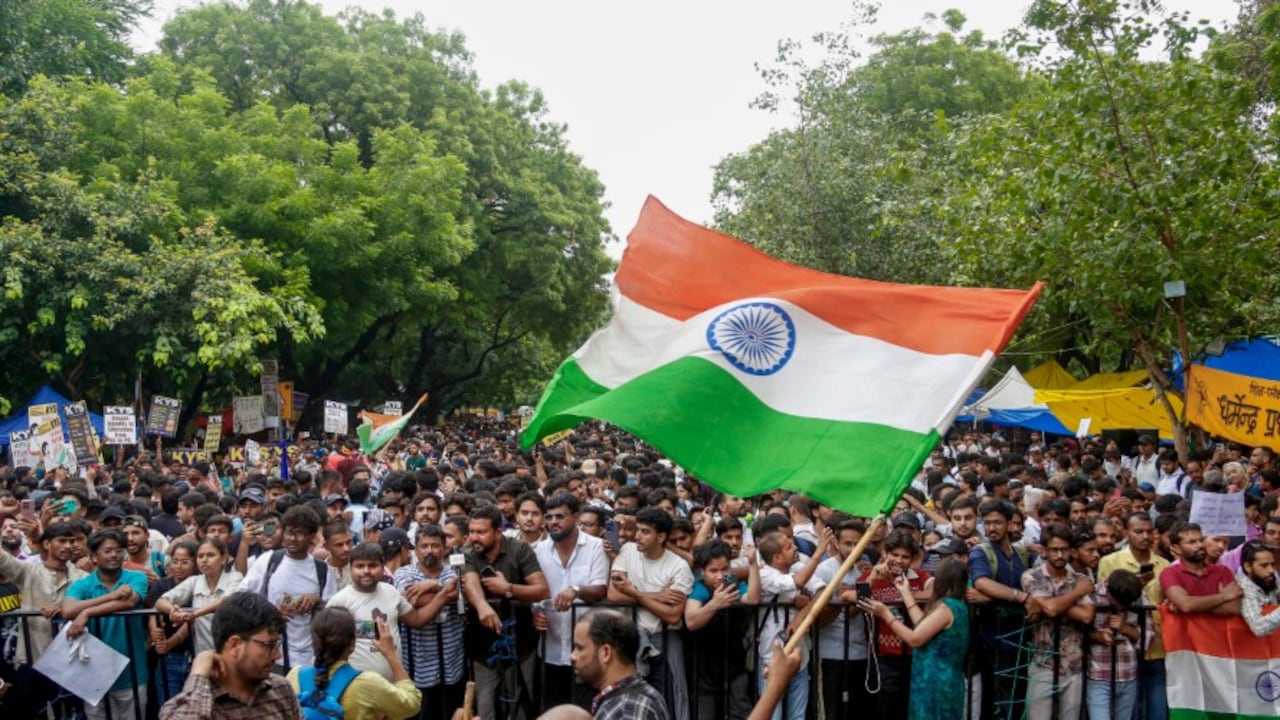
Higher tuition directly strains the financial capabilities of students, especially those from middle‑income households. Engineering courses, once seen as a pathway to upward mobility, are now increasingly viewed as a “financial barrier,” leading to higher loan dependence and widening equity gaps. Student bodies are demanding a focus on “quality over price.”
Looking Ahead
If regulators act swiftly, we may see greater fee transparency, cost‑justified pricing, and expanded financial aid schemes. Failing that, the trend toward privatization and cost escalation could jeopardize India’s long‑term talent pipeline and erode the democratic ethos of higher education.