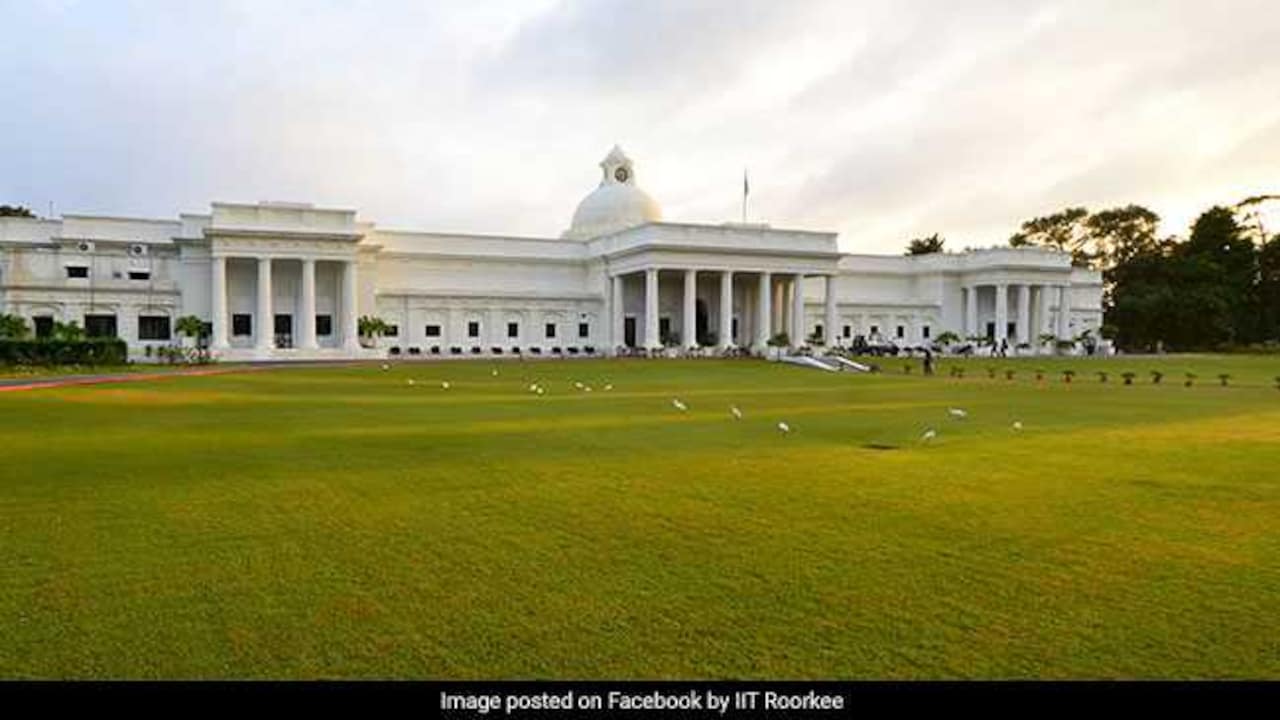
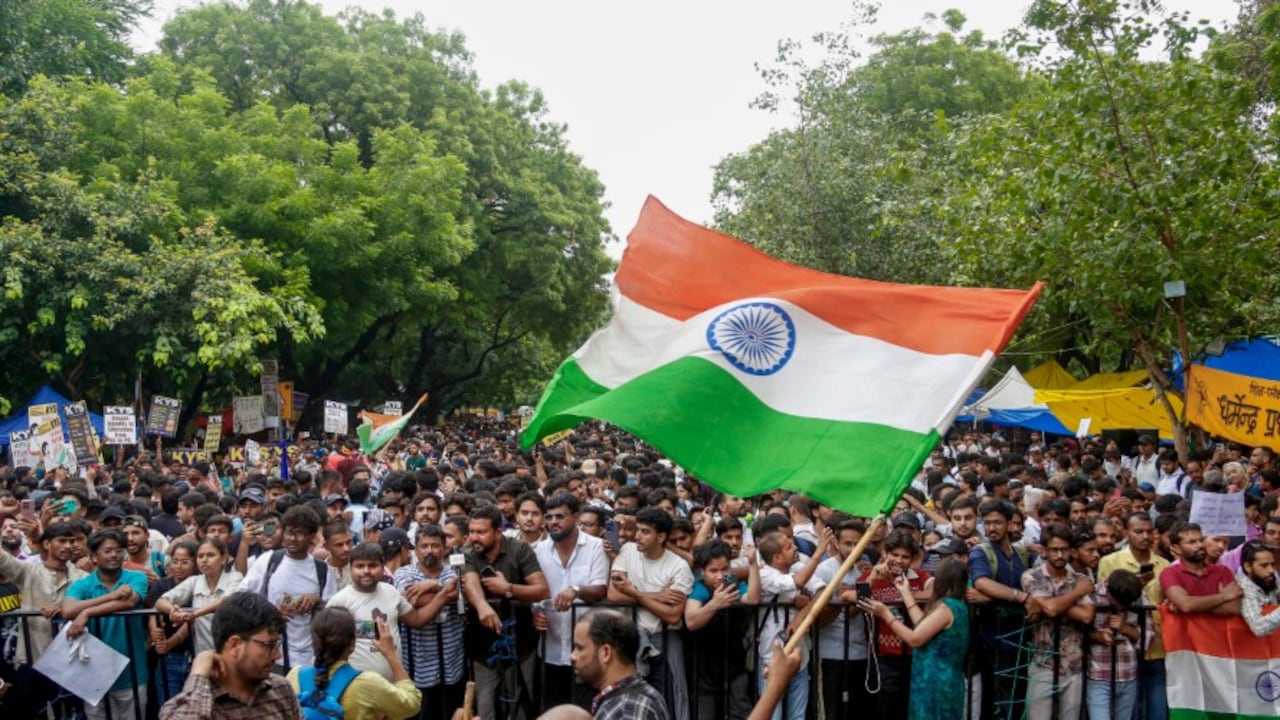
In a campus event in Tiruchirappalli, students were called upon to transform their education into a tool for social change. The speaker highlighted national development, local problem‑solving, and ethical responsibility.
Key Takeaways
- Education should be linked to societal service.
- Students must actively address community challenges.
- Policy makers and institutions need to foster this mindset.
At the Central College in Tiruchirappalli, renowned education policy expert Dr. Rakesh Kumari addressed more than 1,200 students, urging them to view education as a catalyst for societal service. The call resonated strongly, reflecting a growing desire among youth to apply academic knowledge to real‑world problems.
Historical Context
India’s education system has long been celebrated for driving economic growth, yet its potential to spearhead social transformation remains under‑leveraged. Over the past two decades, grassroots movements have demonstrated the power of youth activism, but formal curricula often lag behind in embedding civic responsibility as a core outcome.
Key Points from the Speaker
Dr. Kumari emphasized three pillars: first, aligning academic learning with local challenges such as water scarcity, rural health, and urban waste management; second, encouraging entrepreneurial solutions that empower communities; and third, integrating ethical values and citizenship duties into every course. She asserted, "When students connect their knowledge to societal needs, they become architects of both personal success and collective prosperity."
Student Reactions and Past Successes
Following the session, several students presented project ideas ranging from a mobile app for rural school book distribution to climate‑awareness campaigns and collaborations with local entrepreneurs to generate jobs. Notably, the same college’s "Smart Village" initiative last year installed solar panels in over 200 homes, showcasing a tangible model for the newly advocated approach.
Future Outlook
The speaker urged university administrators to make "social‑service projects" a mandatory component of curricula and to strengthen industry‑education partnerships. If such policies gain traction at the national level, India’s vast youth population could acquire both technical expertise and a deep sense of civic duty, injecting fresh energy into the country’s development trajectory.