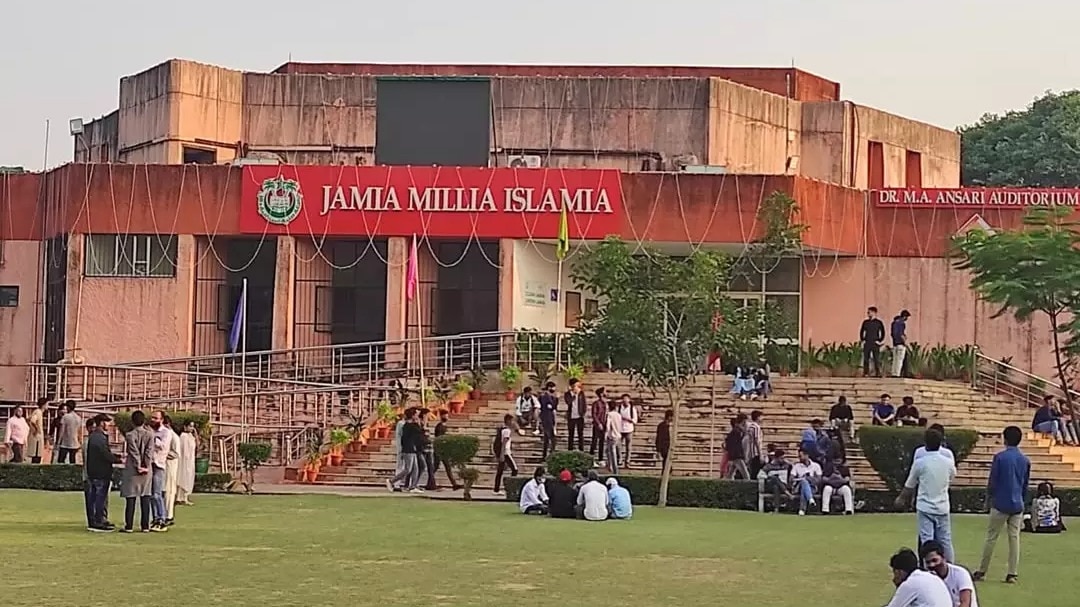
Jamia Millia Islamia has amended Ordinance‑15 to allow final‑year students to sit for compartment exams immediately after their final assessments. The change aims to help students clear backlog papers faster and graduate on schedule.
Key Takeaways
- Final‑year students can appear for compartment exams right after their final semester.
- Ordinance‑15 amended; re‑evaluation process also streamlined.
- Applies only to regular programme students, not distance learners.
Jamia Millia Islamia (JMI) has overhauled its examination regulations to give final‑year students a faster route to clearing backlog papers. The university’s Executive Council approved an amendment to Ordinance‑15, explicitly permitting eligible students to sit for compartment examinations immediately after completing their final semester or annual examinations. Previously, students were forced to wait for the next regular examination cycle, often extending their graduation by months or even years.
How the New Rule Functions
Under the revised provisions, students enrolled in the annual system who are in their final semester or final year may now request a compartment exam for any pending paper from earlier semesters. The Office of the Controller of Examinations will publish a separate timetable, ensuring transparency and giving students a clear deadline to plan their studies.
Eligibility and Scope
The policy is limited to regular (on‑campus) programmes. Distance‑learning candidates are excluded, as they follow a distinct assessment framework. Moreover, Clause 24.4 of Ordinance‑15, which generally bars compartment exams for carry‑over programmes, has been overridden for final‑year students, creating a one‑time exception that directly addresses the backlog issue.
Re‑evaluation Process Revamped
Alongside the exam schedule changes, the Executive Council also revised Clause 23.1 of Ordinance‑15. Final‑year students now have the option to sit for a compartment exam instead of filing a re‑evaluation request for their answer scripts. This streamlines the resolution process, reducing administrative load and giving students a definitive path to clear their records. Students in other semesters retain the existing right to apply for re‑evaluation within 15 days of result declaration.
Broader Implications
Education analysts view JMI’s move as a significant step toward student‑centric flexibility in India’s higher‑education landscape. By cutting down the time required to resolve backlogs, the university not only improves individual academic trajectories but also eases the logistical burden on examination authorities. If replicated across other institutions, the policy could raise graduation rates and align India’s academic timelines more closely with global standards. The initiative signals a growing recognition that rigid examination cycles must evolve to meet modern student needs.