The Madhya Pradesh government has introduced a housing assistance scheme to support Scheduled Tribe (ST) students studying away from home. Eligible students will receive monthly financial aid based on the distance of their institution, provided they meet basic eligibility criteria. The scheme aims to reduce the financial burden and improve higher‑education enrollment among ST communities.
Key Takeaways
- ST students studying away from home will receive a monthly housing allowance.
- The allowance amount varies according to the distance of the educational institution.
- Eligibility requires ST community status, completion of Class 12, and enrollment in higher education.
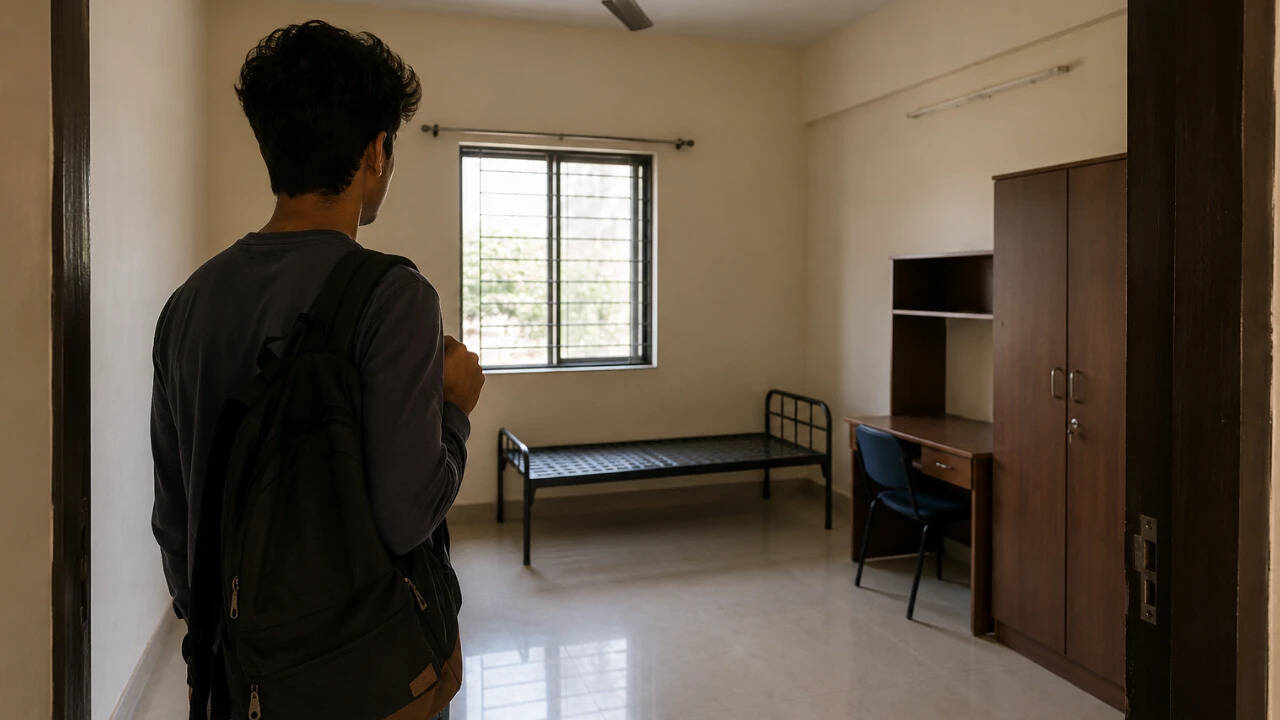
The Madhya Pradesh government has expanded its educational support portfolio by unveiling a housing assistance scheme targeted at Scheduled Tribe (ST) students pursuing studies outside their native districts. While many Indian states have introduced scholarships and fee waivers, this initiative uniquely addresses the often‑overlooked expense of accommodation, a critical barrier for students from remote tribal areas.
Background and Policy Rationale
ST communities in India have historically lagged behind in higher‑education participation due to a confluence of economic, social, and geographic challenges. Madhya Pradesh, home to one of the country’s largest tribal populations, has previously rolled out scholarship programs and tuition waivers. However, housing costs in distant urban centers remain a prohibitive factor. By earmarking a dedicated monthly stipend for accommodation, the state aims to bridge this gap and encourage merit‑based migration to quality institutions.
Core Features of the Scheme
Under the scheme, eligible students will receive a monthly financial grant that is calibrated according to the distance between the student’s permanent residence and the location of the college or university. The distance brackets are defined as: less than 50 km, 50–100 km, and more than 100 km, each with a distinct allowance tier. Payments will be directly transferred to the student’s bank account, ensuring transparency and timely disbursement.
Eligibility Criteria
To qualify, applicants must satisfy three primary conditions: (1) they must belong to the Scheduled Tribe (ST) category, (2) they must have successfully completed Class 12, and (3) they must be currently enrolled in a recognized higher‑education program—be it undergraduate, postgraduate, or professional courses. Applicants must also submit proof of income, domicile, and academic enrollment as part of the application package.
Application Procedure
Prospective beneficiaries can apply through the dedicated portal MPSTHousingAid.mpr.gov.in. The online form requires the applicant’s Aadhaar number, scanned copies of the ST certificate, academic transcripts, and bank details. After document verification, applicants will receive an acknowledgment via email or SMS, and the first allowance installment will be credited from the subsequent month.
Potential Impact and Future Outlook
If implemented effectively, the scheme could markedly boost higher‑education enrollment among ST students, reducing dropout rates caused by financial constraints. Experts suggest that the model, once refined, could be replicated in other states with sizable tribal populations, provided local socioeconomic nuances are taken into account. Long‑term, such targeted interventions can catalyze broader socioeconomic development and foster a more inclusive knowledge economy.