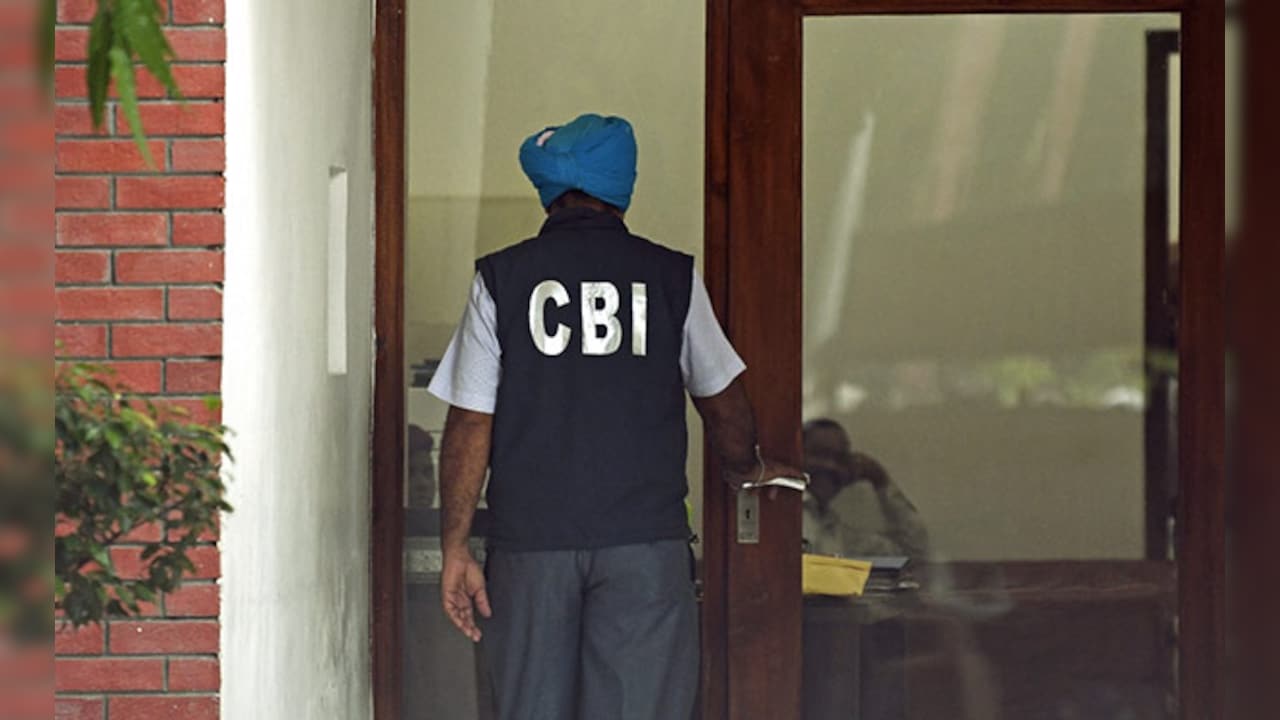
The Central Bureau of Investigation has uncovered a massive scholarship fraud in Bhopal involving the embezzlement of about ₹1 crore. Six suspects, including a bank manager, used fabricated documents, bogus bank accounts and counterfeit OTPs to siphon funds, raising serious concerns about the security of government scholarship schemes.
Key Takeaways
- CBI has confirmed a ₹1 crore scholarship fraud in Bhopal.
- The scheme involved fake bank accounts, incorrect KYC documents, and counterfeit OTPs.
- Six individuals, including a bank manager, have been charged.
The Central Bureau of Investigation (CBI) recently concluded a thorough probe into a large‑scale scholarship fraud in Bhopal, revealing that nearly ₹1 crore was diverted through a network of fake KYC filings, forged bank accounts and fabricated one‑time passwords (OTPs). The scandal has shaken public confidence in the state’s student‑aid distribution mechanisms.
Modus Operandi of the Scam
Investigators found that the conspirators duplicated the personal details of genuine scholarship applicants, then submitted falsified KYC forms containing counterfeit identity proofs, fabricated addresses, and non‑existent bank account numbers. Using a sophisticated OTP generation system, they produced fake OTPs that authorized the transfer of funds into these dummy accounts. A senior bank manager was identified as a key facilitator, ensuring that the fraudulent accounts were activated without raising internal alerts.
Historical Context
India’s rapid digitisation of welfare payments has repeatedly exposed vulnerabilities in KYC verification and OTP security. Similar scholarship and subsidy scams have surfaced in multiple states over the past few years, often exploiting lax verification standards. The Bhopal incident underscores the urgent need for systemic reforms in financial oversight and digital authentication.
Legal Action and Future Implications
The CBI has filed charges against six individuals – a bank manager, two accountants, and three intermediaries – seeking stringent penalties. Courts are expected to hear the case shortly, with prosecutors urging a deterrent sentence. In response, the Madhya Pradesh government has announced plans to overhaul its KYC processes, introduce encrypted OTP mechanisms, and explore blockchain‑based disbursement to safeguard future scholarship allocations.
Societal Impact
Scholarships are intended to bridge educational gaps for economically disadvantaged students. Corruption within this framework not only drains public funds but also erodes trust in governmental support systems. Civil society groups have called for greater transparency, demanding real‑time monitoring and independent audits of scholarship distribution.