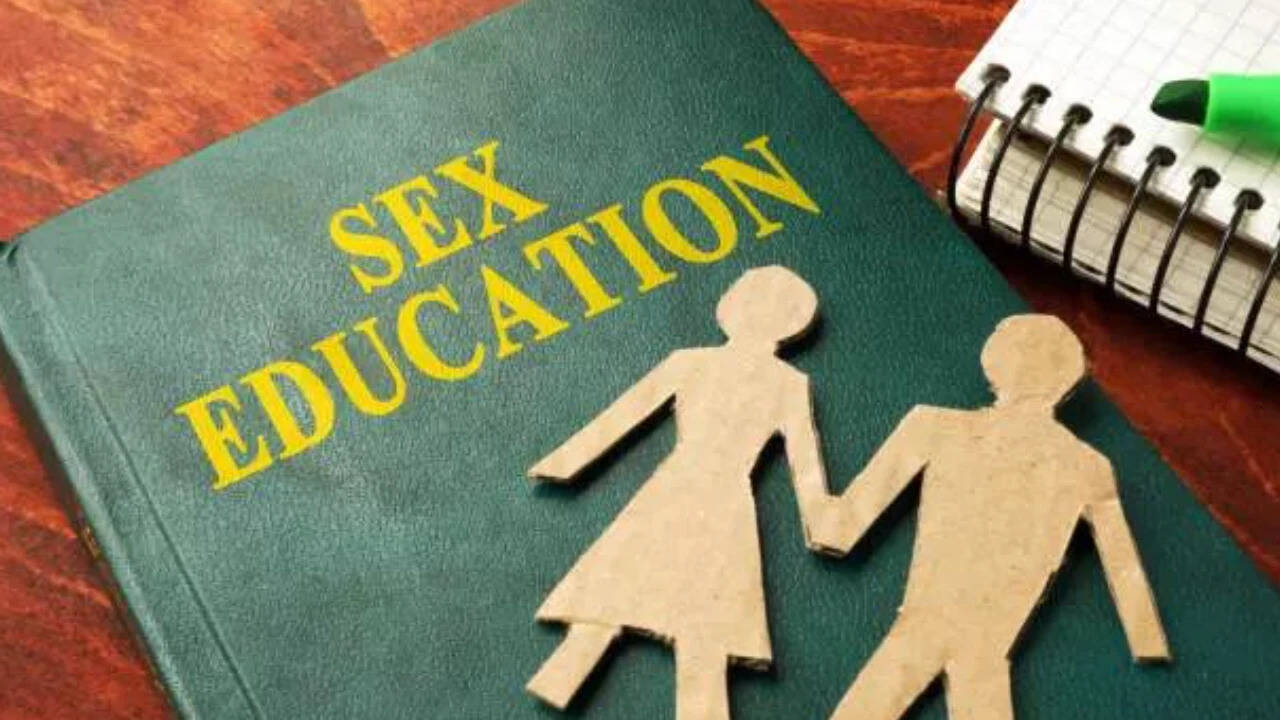
The Indian government has accepted a national committee's report to embed comprehensive sex education across schools and colleges. The move aims to curb teen pregnancies and reduce criminalisation under the Pocso Act while promoting safety and well‑being.
Key Takeaways
- Government accepts 26‑member expert committee report.
- NCERT will draft a new comprehensive sex‑education curriculum.
- Implementation awaits Supreme Court approval.
New Delhi – After years of cultural resistance, the Indian government signaled a decisive shift on July 14, 2026, telling the Supreme Court it is ready to roll out "comprehensive sex education" (CSE) in schools and colleges, as recommended by a high‑level expert panel.
Background and the Committee’s Mandate
The debate over sex education intensified after the Protection of Children from Sexual Offences (POCSO) Act began to be used to criminalise consensual adolescent relationships. To address rising teen pregnancies and legal ambiguities, the Ministry of Women and Child Development convened a 26‑member National Expert Committee chaired by Additional Secretary Aishwarya Bhati. Members included scholars from TISS, clinical psychologists, representatives from central ministries, state governments, NCPCR and NLSA.
Key Recommendations
The panel urged that "child sexual abuse" become a core component of the syllabus, alongside basic concepts of body safety, hygiene, and the distinction between safe and unsafe touch. It recommended introducing these topics from the foundational stage, assigning a dedicated expert teacher, and conducting mandatory 15‑20‑minute sessions twice a week. Parallel workshops for parents, guardians, and teachers were also suggested to align developmental milestones with sex‑education goals.
NCERT’s Role and Alignment with NEP‑2020
Crucially, the committee tasked the National Council of Educational Research and Training (NCERT) with developing the curriculum, ensuring it dovetails with the National Education Policy 2020’s emphasis on holistic development, critical thinking, and life‑skill building. The forthcoming curriculum will cover consent, gender identity, reproductive health, and risk‑free behaviours, calibrated to age‑appropriate maturity levels.
Supreme Court’s Oversight
Senior advocates Madhavi Divan and Liz Mathew, appearing as amicus curiae, praised the report’s forward‑looking stance and urged the Court to formalise CSE as a statutory component of education. The Supreme Court has agreed to scrutinise the recommendations and issue a directive that will enable immediate rollout once the curriculum is finalised.
If implemented effectively, the policy promises to reduce teenage pregnancies, curb sexual‑abuse incidents, and prevent the misuse of the POCSO Act against consenting youths. Moreover, it positions India as a regional leader in adolescent health education, fostering a generation that is both informed and empowered.