Students of the Students Federation of India (SFI) launched a three‑day national executive meeting in Visakhapatnam, demanding the resignation of Union Education Minister Dharmendra Pradhan and decrying the systematic erosion of public education.
Key Takeaways
- SFI’s three‑day National Executive Committee meeting begins in Visakhapatnam
- Students demand resignation of Union Education Minister Dharmendra Pradhan
- Allegations of 1.20 lakh government schools shut, exam leaks and funding cuts over the past decade
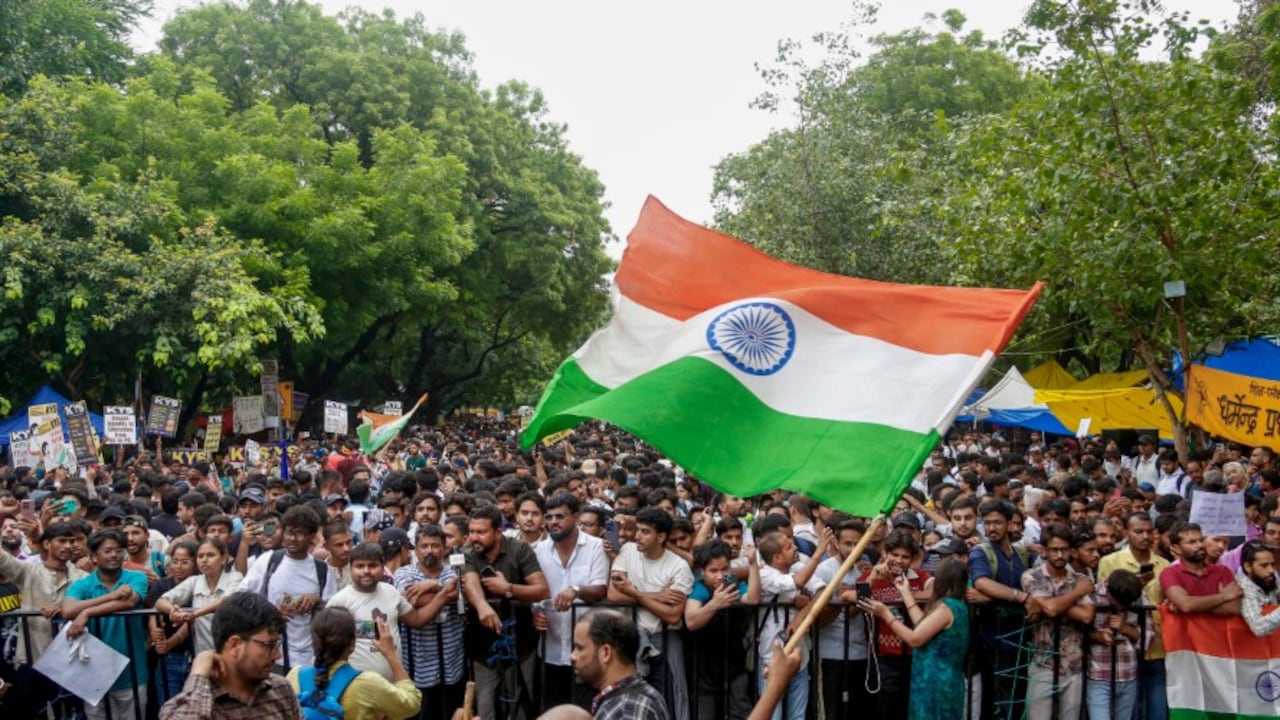
Visakhapatnam, July 13, 2026 – The Students Federation of India (SFI) kicked off its three‑day National Executive Committee meeting with a massive rally that turned the city’s streets into a chorus of dissent. Protestors called for the resignation of Union Education Minister Dharmendra Pradhan and raised slogans demanding the protection of public education against what they termed a systematic “erosion.”
Rally and Public Meeting
The procession began at Vemana Mandiram and marched to Gurajada Kalakshetram in Siripuram, accompanied by cultural performers, drummers and dancers. Chanting “Save Education, Oust the Minister,” students amplified their message before concluding the day with a public meeting at Gurajada Kalakshetram, where SFI leaders outlined their grievances.
Core Allegations and Figures
SFI All‑India General Secretary Srijan Bhattacharya accused the BJP‑led Centre of overseeing widespread “leakages” in examinations and education funding for the past ten years. He cited the shutdown of 1.20 lakh government schools nationwide, cuts to the Mid‑Day Meal Scheme, scholarships and fellowships, and warned that the RSS agenda is now being imposed in Andhra Pradesh following Chief Minister N. Chandrababu Naidu’s alliance with the BJP.
National Impact
All‑India President Adarsh M. Saji highlighted that SFI has organized over 800 protests across 24 states, targeting irregularities in NEET and CBSE examinations and lapses by the National Testing Agency. He claimed that roughly 22 lakh students were affected by NEET glitches and 16 lakh by CBSE evaluation errors, and labeled the suicides of 21 students as “government murders.”
Future Outlook and Potential Consequences
If the government fails to address these concerns, the student movement could expand beyond regional boundaries, pressuring policymakers to overhaul funding structures and introduce transparent examination mechanisms. Education experts argue that safeguarding the public education model requires not only financial commitment but also robust oversight. Consequently, SFI’s meeting and protest signal a broader call for a reassessment of India’s education policy at the national level.