The National Testing Agency (NTA) has uploaded scanned OMR answer sheets and recorded responses for NEET UG 2026 re‑exam candidates on neet.nta.nic.in. Candidates can lodge online challenges until 11:00 am on July 15, 2026, for a fee of ₹200 per objection.
मुख्य बिंदु (Key Takeaways)
- Scanned OMR sheets and recorded responses for NEET UG 2026 are now live on the official portal
- Applicants have until July 15, 2026, 11:00 am to submit online challenges
- Each challenge costs ₹200 and must be paid through the portal
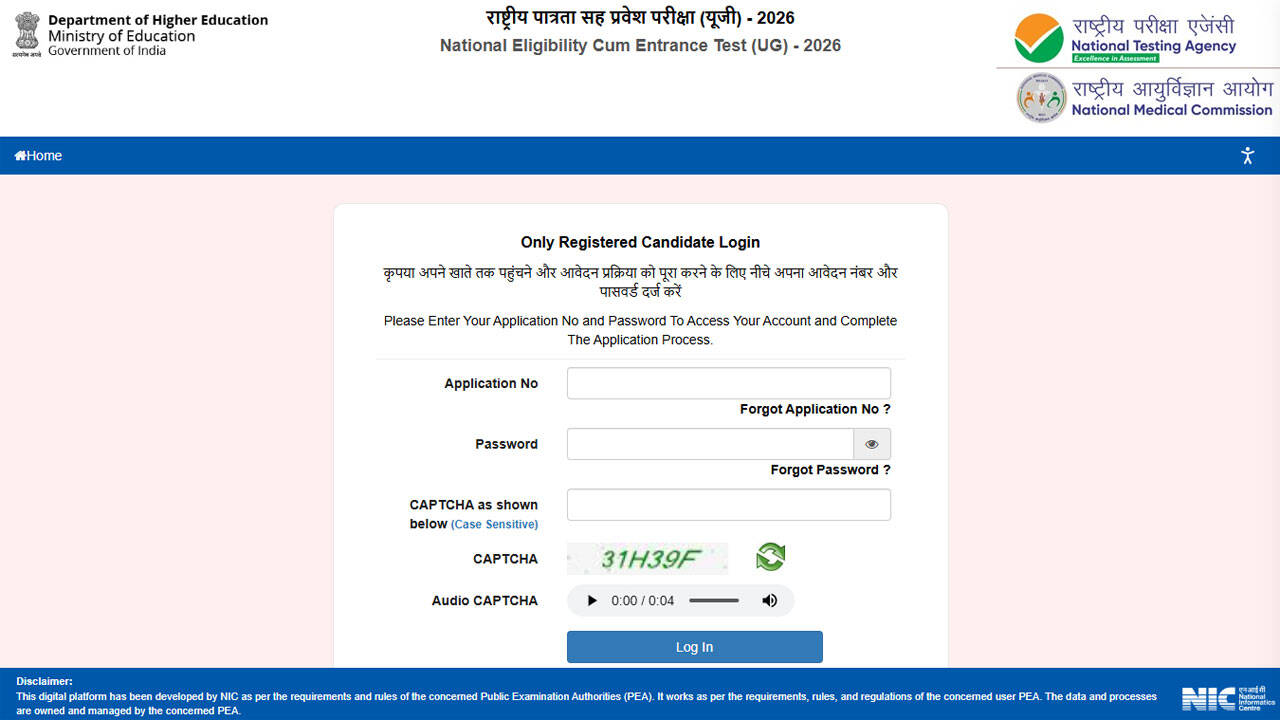
The National Testing Agency (NTA) announced today that the scanned images of OMR answer sheets and the recorded responses for candidates who sat for the NEET UG 2026 re‑examination are now available on neet.nta.nic.in. This move enables aspirants to verify the exact answers captured by the scanning system and raise objections where discrepancies are found.
Challenge Procedure Overview
Applicants may submit objections online until 11:00 am on 15 July 2026. A non‑refundable processing fee of ₹200 per challenged response is mandatory and can be paid only via debit/credit card or net‑banking. Challenges submitted without payment or through any channel other than the official portal will be rejected outright.
Two‑Factor Authentication for Security
To safeguard personal data, NTA has introduced a two‑factor authentication (2FA) step. Candidates must enter a one‑time password (OTP) sent to their registered mobile number and email before they can view the high‑resolution OMR scans and recorded responses.
How to Lodge an Objection
Once logged in with their application number and password, candidates can compare the scanned OMR sheet with the system‑captured responses. If a recorded answer differs from the one they marked, they can select the specific question, indicate the option they originally chose, and submit the challenge. The annexure also allows reporting errors in critical fields such as roll number, booklet number, or set code.
Implications for Future Examinations
This initiative marks a significant step toward greater transparency in high‑stakes national examinations. By giving candidates a clear, auditable path to contest recording errors, NTA strengthens trust in the assessment process. The model could become a benchmark for other entrance tests, encouraging a more candidate‑centric approach across India’s education ecosystem.
Applicants are reminded that only answers marked with a fully darkened circle using a blue or black ball‑point pen are considered valid. Any attempt to submit altered or tampered OMR images will be treated as a violation of examination rules, potentially leading to debarment or legal action.