Punjab's government has limited private school fee hikes to a maximum of 5% per year and mandated refunds for any increase exceeding 15% over the past three years. The move aims to ease parental financial burden and curb profiteering in the education sector.
Key Takeaways
- Annual fee increase for private schools capped at 5%
- Schools that raised fees by more than 15% in the last 3 years must refund the excess
- Violations attract fines up to ₹1 lakh and possible derecognition
Punjab Chief Minister Bhagwant Mann announced on Tuesday that private schools in the state will now be allowed to raise fees by no more than 5% annually. Schools that have increased fees by more than 15% over the past three years must return the surplus amount to parents, regardless of whether the charge was labelled as tuition, transport, or any other ancillary fee.
Details of the New Ordinance
The announcement accompanies the immediate enforcement of the Punjab Regulation of Fee of Un-aided Educational Institutions (Amendment) Ordinance, 2026, approved by Governor Gulab Chand Kataria and cleared by the cabinet last month. The ordinance introduces four core provisions: (i) a 5% ceiling on annual fee hikes, (ii) mandatory refund of any excess beyond 15% over three years, (iii) treating all ancillary charges—building funds, transport, computer, sports fees—as part of the tuition fee, and (iv) imposing penalties ranging from ₹50,000 to ₹1 lakh and possible derecognition for non‑compliance.
Monitoring Mechanism
Chief Minister Mann said a regulatory committee headed by Deputy Commissioners will scrutinise fee structures. All private schools must upload fee details for the past four years on the Education Department’s portal within ten days, after which the government will conduct a month‑long audit. Any attempt to bypass scrutiny by categorising fees under different heads will be deemed “education mafia” and dealt with severely.
Flexibility for Capital Investments
The ordinance does allow a limited exception: schools that have invested in new infrastructure—such as buildings, libraries, or smart classrooms—may seek permission from the district‑level fee regulatory committee to raise fees up to 8% for a single year. Once the capital expenditure is recovered, the 5% ceiling resumes.
Broader Implications
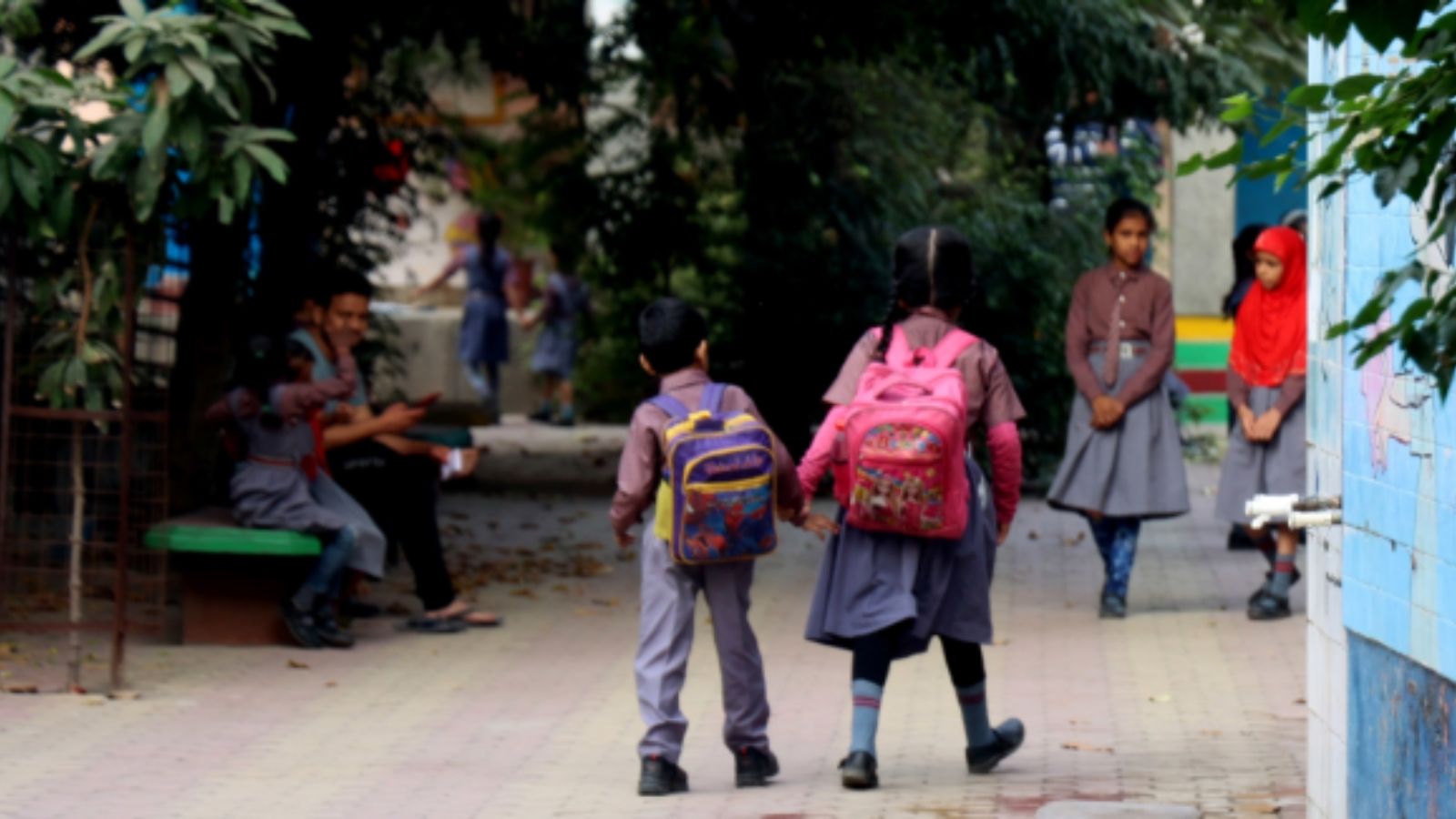
The policy directly impacts roughly 3.2 million students across 7,800 private institutions in Punjab. By capping fee hikes and enforcing refunds, the state aims to protect families from arbitrary price surges, a concern amplified after a recent tragic incident involving a student’s suicide allegedly linked to fee‑related harassment. Experts view the move as a historic step that could set a precedent for other Indian states grappling with the commercialization of education.