In episode 42 of Women Uninterrupted, Khushboo Awasthi explains how the Shiksha Chaupal movement has transformed traditional village meetings into powerful platforms for keeping girls in school. The initiative, now spanning over 30,000 gatherings, is reshaping social norms and earning international acclaim.
Key Takeaways
- Shiksha Chaupal has converted more than 30,000 village meetings into education‑equity forums.
- The documentary “Mothers of Courage” became India’s sole SDG‑category selection at Cannes Lions 2026.
- Community‑driven AI voice capture empowers local women to design their own solutions.
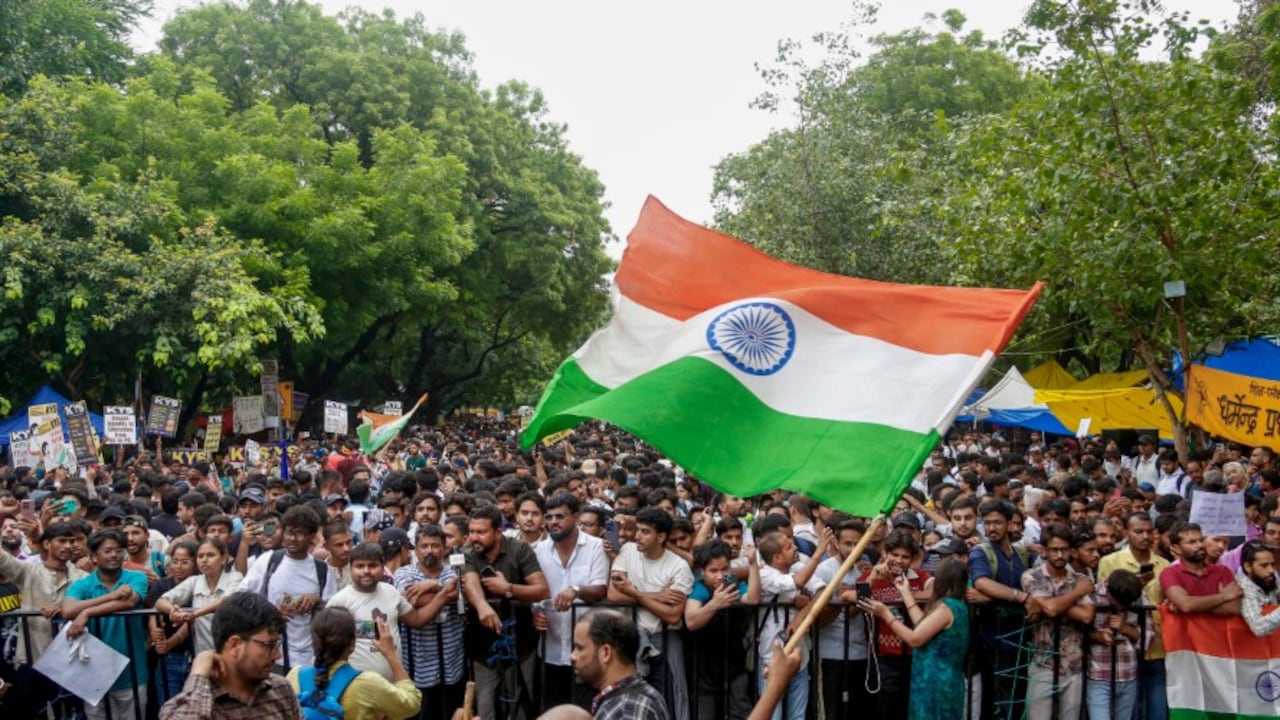
Women Uninterrupted sat down with Khushboo Awasthi, co‑founder of ShikshaLokam and Mantra4Change, to unpack the origins, impact, and future of the Shiksha Chaupal movement. Launched in Bihar in September 2024, the initiative repurposes the age‑old “chaupal” — a communal circle where villagers discuss pressing issues — into a focused dialogue on why girls drop out of school.
From Traditional Chaupal to Education Hub
The concept leverages the cultural familiarity of village gatherings, turning them into platforms where mothers, fathers, and youth collectively identify barriers such as teacher absenteeism, lack of toilets, early marriage pressures, and caste‑based exclusion. By anchoring the conversation in local voices, the movement sidesteps external prescriptions and encourages grassroots problem‑solving.
International Recognition at Cannes Lions
Filmmaker Vandana R. Jaikumar captured the raw energy of these sessions in the eight‑minute documentary “Mothers of Courage.”strong> The film won Best Inspirational Film at the 2026 Los Angeles Film Awards and secured a Silver ABBY in the Sustainable Development Goals (SDG) category at Cannes Lions — the only Indian entry to make the shortlist. This global spotlight has amplified the movement’s credibility and attracted further support.
Community Impact and Expansion
Each Chaupal concludes with a public pledge: mothers promise to keep their daughters in school until Class 12 and to delay marriage until the girls are ready. Since its inception, more than 30,000 Chaupals have been held across Bihar, a state where 40.8% of women marry before 18 (NFHS‑5). The model is now active in Karnataka and expanding to Odisha, Uttar Pradesh, and other states. A voice‑enabled AI platform records discussions, turning anecdotal feedback into actionable data.
Challenges Ahead and Future Vision
Vandana admits that an eight‑minute film cannot capture the full vigor of the Chaupals, prompting plans for a longer documentary that will follow the movement for a year. Ongoing hurdles include entrenched social norms, inadequate school infrastructure, and the need for sustained community leadership. Yet the “didi” (women leaders) who receive travel reimbursements continue to return, monitor admissions, and support families, proving that purpose‑driven ownership outweighs financial incentives.