Today's school assembly briefing covers the latest US‑Iran tension, the England‑Argentina clash in the 2026 FIFA World Cup semifinal, and key economic milestones such as the India‑UK trade pact and the semiconductor mission. Additional updates include ICC format changes and a revised US tariff bill on Russian energy.
Key Takeaways (मुख्य बिंदु)
- US conducts daylight airstrikes on Iran's coastal defence and missile storage facilities
- England and Argentina will meet in the 2026 World Cup semifinal
- India‑UK trade agreement and semiconductor mission boost bilateral economic ties
Morning assemblies in schools across India are now a curated mix of geopolitics, sports and economic policy. In today’s briefing, the United States announced a fresh wave of daytime airstrikes against Iranian defence installations, while the football world braces for a high‑stakes England‑Argentina semifinal at the 2026 FIFA World Cup. Both stories carry significant implications for students who are learning to connect classroom discussions with real‑world events.
US‑Iran Airstrike: A New Daylight Offensive
According to US Central Command, the strikes targeted coastal defence systems and cruise‑missile storage sites on Greater Tunb Island, a strategically positioned outpost in the Strait of Hormuz. Analysts note that this is the first daylight operation in recent weeks, signalling a shift from covert to overt pressure tactics. The move is likely aimed at curbing Iran’s missile‑launch capabilities, but it also risks escalating retaliation from Tehran or its regional proxies, potentially destabilising an already volatile Middle‑East landscape.
World Cup 2026: England vs Argentina Semifinal
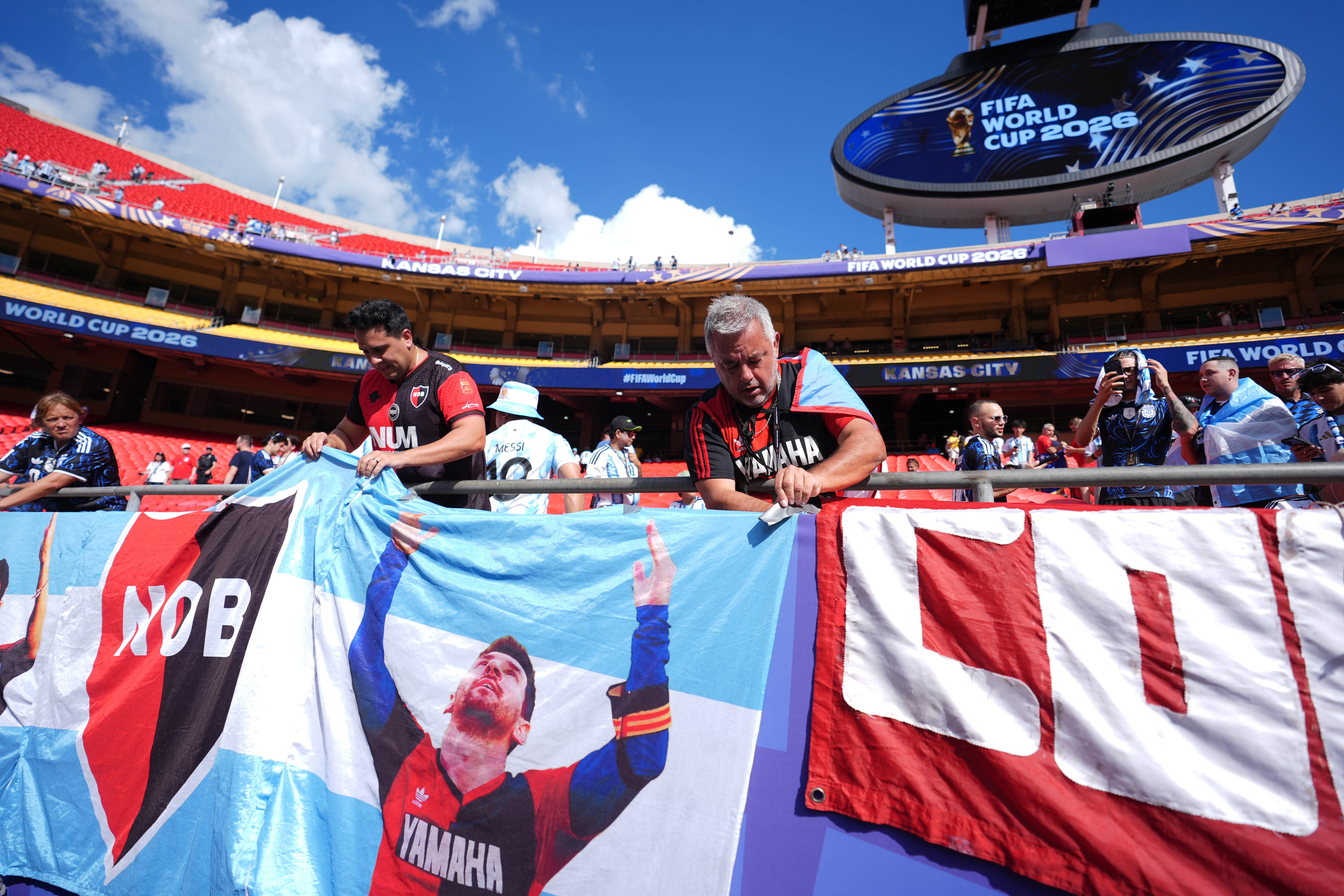
FIFA confirmed that the second semifinal will pit England against Argentina on July 15 (July 16 in India). England, buoyed by a solid tournament run, faces an Argentine side led by Lionel Messi, whose presence adds a narrative of legacy versus ambition. The winner will advance to a final showdown with Spain, making the semifinal a focal point for global viewership and a source of national pride for both nations. For Indian students, the match offers a lesson in the power of sport to unite diverse audiences and inspire future athletes.
India‑UK Comprehensive Economic and Trade Agreement (CETA)
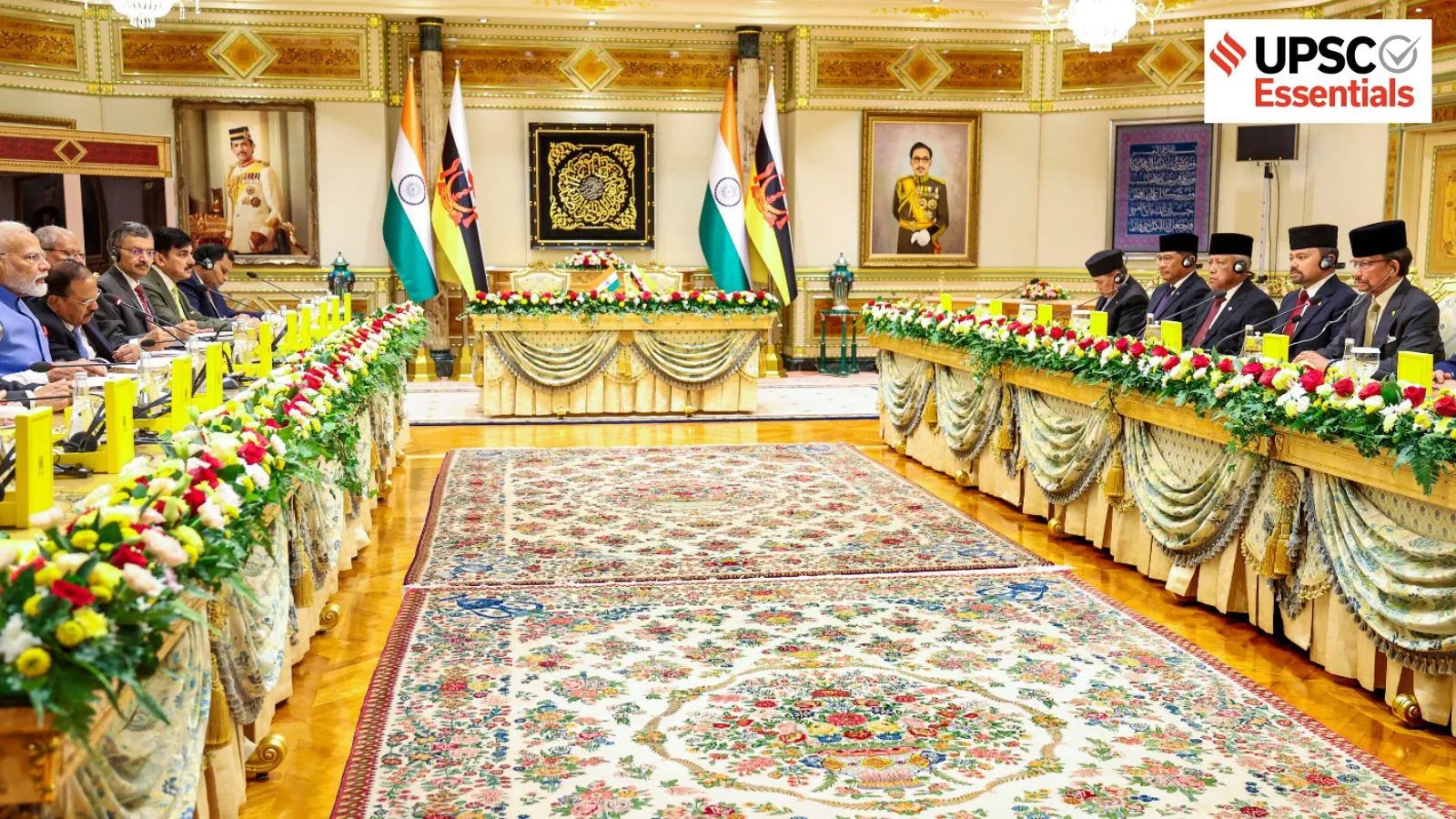
Prime Minister Narendra Modi hailed the activation of CETA as a "significant moment" that grants zero‑duty market access for nearly 99 % of Indian exports to the United Kingdom. Commerce Minister Piyush Goyal emphasized that the deal covers almost the entire bilateral trade value, promising new opportunities for exporters, manufacturers and service providers on both sides.
Semiconductor Mission Phase Two
The Union Cabinet approved the second phase of the India Semiconductor Mission, allocating Rs 1.27 lakh crore over six years. The program aims to subsidise the entire semiconductor supply chain—from gases and chemicals to critical equipment—thereby reducing import dependence and fostering a domestic chip ecosystem that can power next‑generation technologies.
ICC Revamps ODI and T20 World Cup Formats
The International Cricket Council approved a comprehensive overhaul of the men's One‑Day International and T20 World Cup structures to make every match more competitive. A new qualification pathway for the 2028 T20 World Cup and a proposed 16‑team global tournament for associate members were also endorsed, widening the sport’s international footprint.