In New Delhi, the Supreme Court pledged to reinstate any teacher dismissed over the new three‑language policy of CBSE, offering a safety net amid ongoing legal challenges. The statement was made during hearings on petitions contesting the policy’s premature rollout.
Key Takeaways
- Supreme Court promises reinstatement for dismissed teachers
- CBSE’s three‑language policy faces multiple petitions
- Shortage of teachers and textbooks hampers implementation
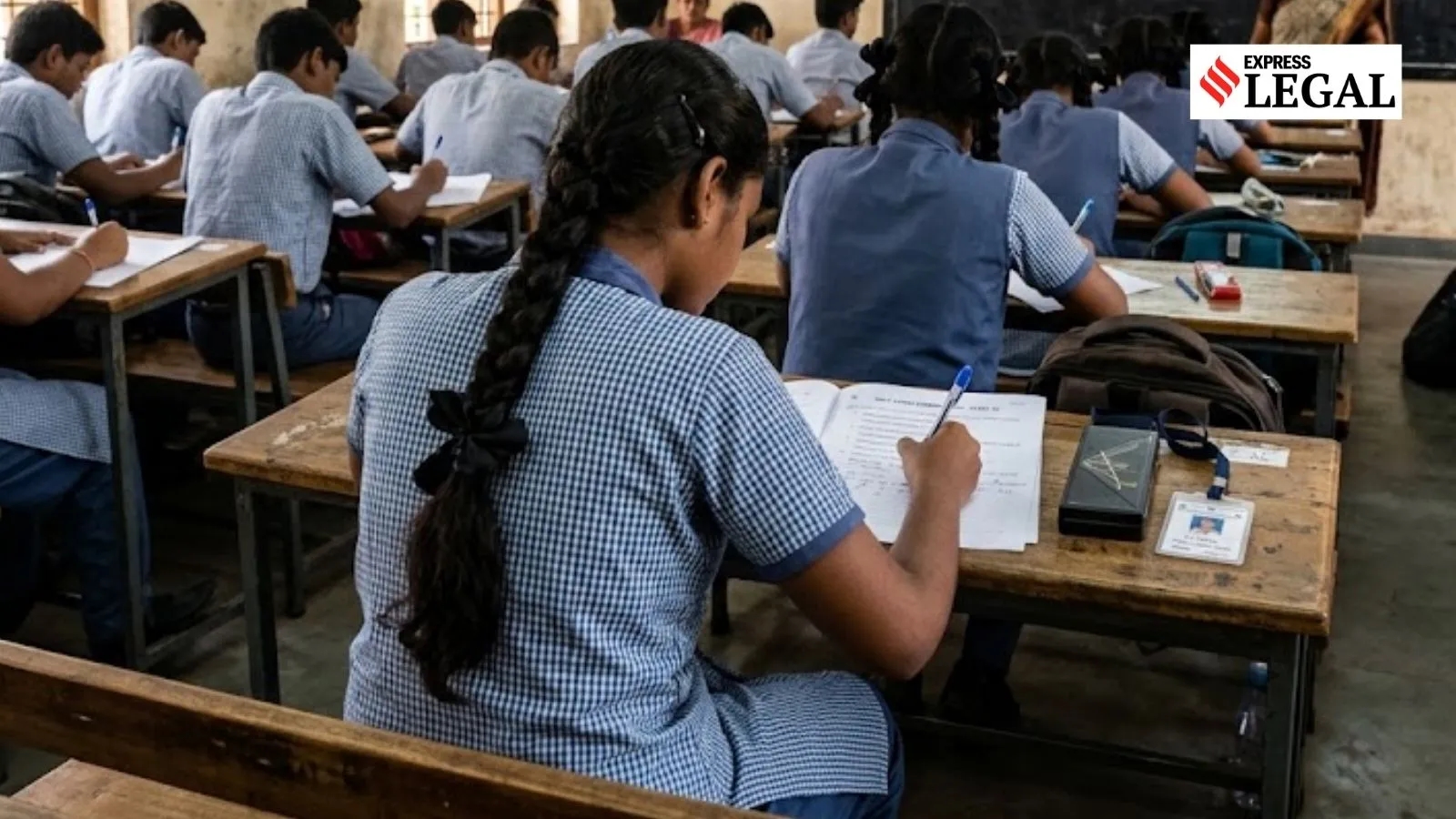
New Delhi – On July 15, the Supreme Court convened a three‑judge bench to hear petitions challenging the Central Board of Secondary Education’s (CBSE) newly introduced three‑language policy for Class 9 students. Chief Justice Surya Kant addressed the bench, stating, “Come to us…If dismissed, we can reinstate,” thereby assuring teachers that they would be protected against any punitive action stemming from the policy’s rollout.
Background and Policy Objectives
The three‑language mandate, rooted in the National Education Policy (NEP) and originally slated for implementation from 2030, requires students to study Hindi, English and a third Indian language. CBSE, however, accelerated the timeline, making the policy effective from the current academic year, which sparked concerns across state and private schools about readiness and feasibility.
Legal Opposition and Core Arguments
Senior Advocate Shyam Divan highlighted that although CBSE had softened certain requirements for senior classes via a circular dated June 29, critical gaps remained. He pointed out the lack of language options—especially for regional languages like Punjabi—and the scarcity of textbooks, which could limit future employment opportunities for students. Senior Advocate Anand Grover contended that CBSE’s circulars “are without authority of law,” emphasizing that only the NCERT holds the statutory power to prescribe curricula, not CBSE.
Supreme Court’s Observations
Justice Joymalya Bagchi remarked that the policy aligns with the constitutional goal of promoting Hindi and other Indian languages, while questioning whether English can be classified as an “indigenous Indian language.” Justice V. Mohana underscored the practical challenges: “Teachers need to be ready for 22 languages, yet textbooks are still in the pipeline,” noting that the current shortage threatens the status quo and could damage educational outcomes.
Future Outlook
The bench declined to grant interim relief but issued notices on fresh petitions and scheduled the next hearing for July 22. If fully enforced, the policy could deepen India’s linguistic diversity in schools, but it demands substantial investment in teacher training, textbook production, and infrastructure. Successful implementation will hinge on coordinated efforts between CBSE, NCERT, and state education bodies.