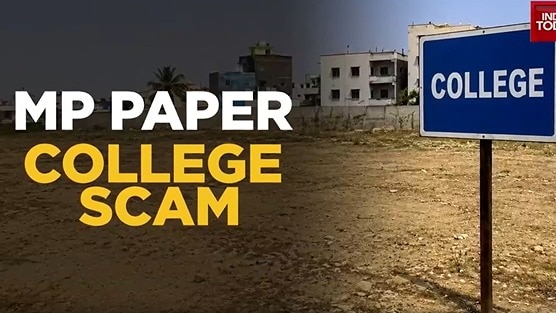
125 private B.Ed colleges have received conditional approval, but most lack basic infrastructure and qualified faculty. The scandal highlights glaring gaps in India's higher‑education oversight.
Key Takeaways
- 125 private B.Ed colleges were conditionally approved, yet many are not operational.
- Institutes fail to meet basic infrastructure, library, and faculty standards.
- Students face uncertainty about the validity of their degrees and future employability.
The Bachelor of Education (B.Ed) programme is a cornerstone for preparing teachers across India. Under the guidelines of the National Council for Teacher Education (NCTE) and the University Grants Commission (UGC), colleges must meet stringent criteria before receiving recognition. Recently, 125 private institutions were granted conditional approval, but a majority have not fulfilled the required standards, rendering the approval merely a paper exercise.
Regulatory Framework and Historical Context
Over the past decade, numerous violations have surfaced in B.Ed colleges, prompting NCTE to issue closure orders or revoke recognitions. However, compliance has often been lax, exposing systemic weaknesses. The decision to conditionally approve a large batch of colleges this time underscores persistent oversight gaps.
Root Causes and Impact on Students
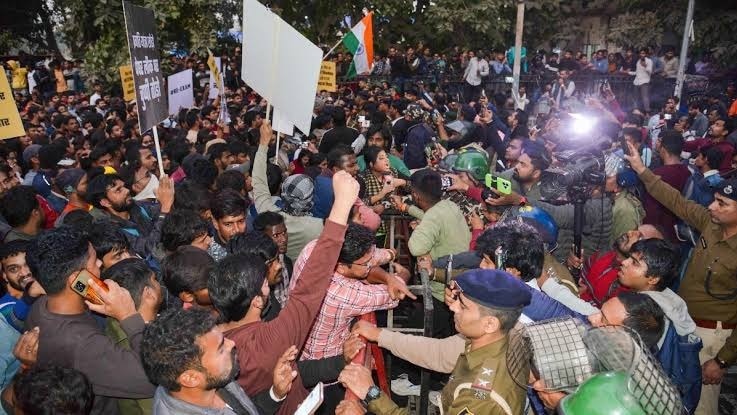
Conditional approval means an institute must satisfy specific conditions before full accreditation is granted. In many cases, these colleges have failed to provide adequate classrooms, laboratories, or qualified teaching staff. Consequently, students enrolled under the promise of a recognized degree now confront doubts about the legitimacy of their qualifications, potentially jeopardizing their career prospects.
Response and Way Forward
The Ministry of Education has pledged swift corrective action. Experts suggest that regulators adopt more rigorous, real‑time monitoring—leveraging digital dashboards and periodic audits—to ensure compliance. Additionally, a safety net for affected students, such as transfer options to vetted institutions, should be established.
In essence, this scandal not only questions the integrity of private education providers but also signals an urgent need for systemic reform within India's teacher‑training ecosystem. Without decisive intervention, similar breaches could recur, undermining public confidence.