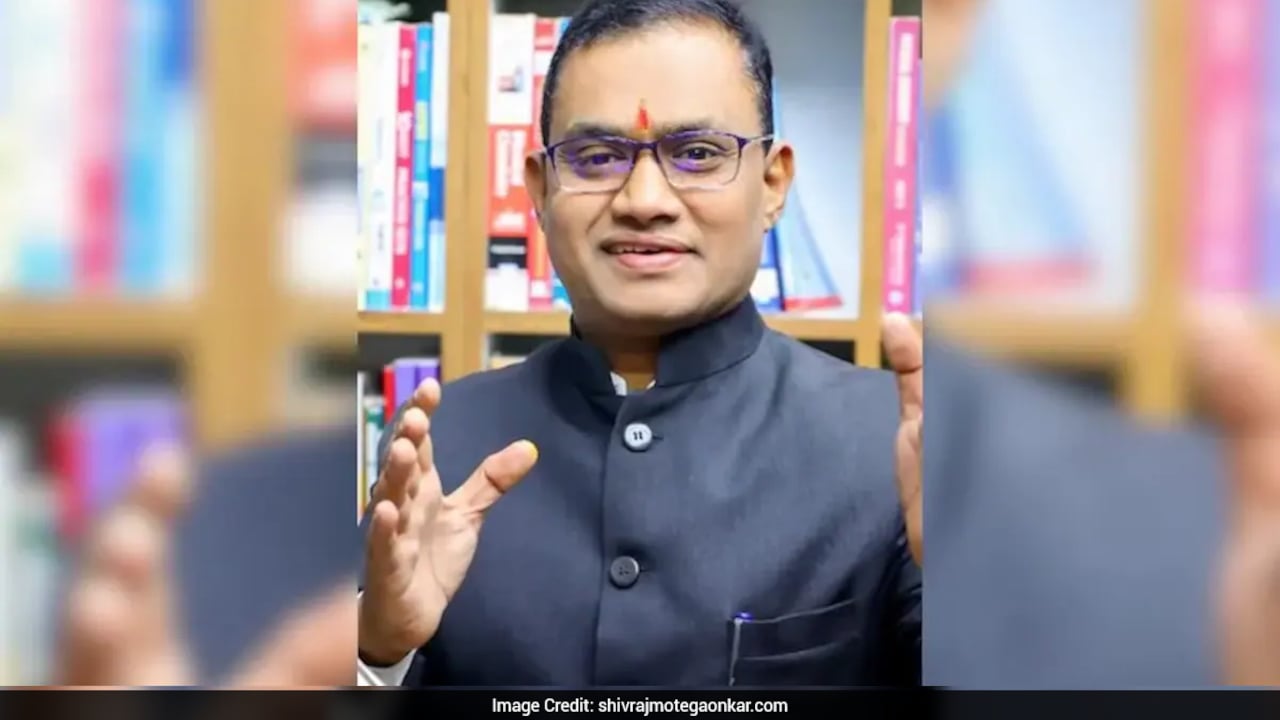
Shivraj Motegaonkar, owner of a Latur coaching centre, was arrested in the NEET paper leak case. CBI recovered his phone containing 132 handwritten chemistry questions, of which 111 matched the official exam paper.
Key Takeaways
- Shivraj Motegaonkar allegedly paid Rs 5 lakh to obtain leaked NEET questions.
- CBI seized his phone, finding 36 images with 132 handwritten chemistry questions.
- 111 of those questions were identical to the official NEET paper, confirming a large‑scale breach.
The Central Bureau of Investigation (CBI) has taken decisive action against Shivraj Motegaonkar, the proprietor of a coaching centre in Latur, after linking him to a massive NEET (National Eligibility cum Entrance Test) paper‑leak operation. NEET remains the gateway exam for medical aspirants across India, and any compromise of its integrity threatens the fairness of the nation’s higher‑education pipeline.
Background and Prior Incidents
NEET is conducted annually to determine admission to undergraduate medical courses in India. Over the past decade, the exam has been targeted multiple times by illicit networks aiming to siphon questions before the official test day. While previous leaks often resulted in speculation, this investigation offers concrete digital evidence that ties the leak to a coordinated effort.
CBI’s Investigation and Evidence
During a raid, CBI officials recovered Motegaonkar’s mobile device, uncovering 36 photographs (including five duplicates) that displayed a total of 132 handwritten chemistry questions. Cross‑referencing these with the authentic NEET paper revealed that 111 questions were exact matches, demonstrating a sophisticated method of reproducing the exam content ahead of time.
Financial Incentive and Motive
According to the agency’s report, Motegaonkar received approximately Rs 5 lakh for the leaked questions. This sizable sum underscores the lucrative nature of exam‑leak markets, where coaching institutes are willing to pay handsomely to give their students a competitive edge. Experts warn that such monetary incentives erode the merit‑based foundation of Indian education.
Implications and Policy Recommendations
The revelation is poised to spark urgent calls for tighter security protocols around high‑stakes examinations. Potential reforms include end‑to‑end encryption of question papers, independent oversight committees, and stricter financial disclosures for coaching entities. Legal repercussions must also be amplified to deter future breaches and restore public confidence in the examination system.