An in-depth analysis of the NEET-UG 2026 paper leak, the Supreme Court's scathing rebuke of the NTA, and the growing demand for structural reform in India's testing ecosystem.
Key Takeaways
- The NTA took the unprecedented step of cancelling the entire NEET-UG 2026 exam following evidence of a paper leak.
- The Supreme Court slammed the NTA, stating the agency failed to learn from the security breaches of 2024.
- Experts highlight critical vulnerabilities in NTA's cybersecurity, operational capacity, and crisis management.
- Widespread student protests and mental health concerns have emerged across the country due to the mismanagement.
The NEET-UG 2026 examination has plunged the medical aspirants of India into a state of unprecedented turmoil. Following the discovery of a paper leak after the initial exam on May 3, the National Testing Agency (NTA) made the historic and controversial decision to cancel the entire examination. A re-test was scheduled for June 21, marking a significant delay of nearly seven weeks and leaving millions of students in a state of limbo.
Judicial Scrutiny and Institutional Negligence
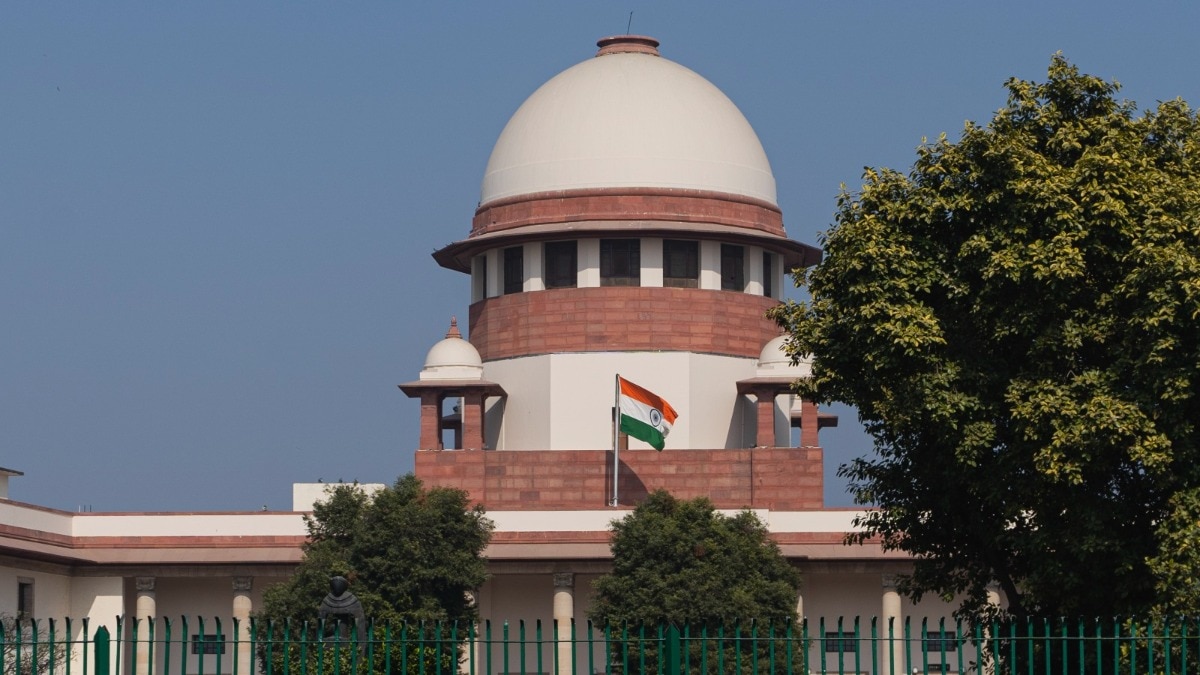
The legal fallout has been swift and severe. On May 25, the Supreme Court of India delivered a stinging rebuke to the NTA, holding the agency directly accountable for the breach. The apex court noted with disappointment that despite the high-profile controversies and security lapses in 2024, the NTA had failed to implement necessary safeguards, effectively repeating the same mistakes two years later. This judicial intervention underscores a profound lack of institutional learning within the testing body.
Structural Vulnerabilities: Beyond the Leak
While the headline focuses on the 'leak,' experts argue that the root cause lies deeper within the NTA's operational framework. Analysts have pointed to a trifecta of failures: porous cybersecurity, lax operational protocols, and ineffective crisis communication. There is an intensifying debate among educationists regarding whether the NTA requires a complete overhaul or a transition to a Computer-Based Testing (CBT) format to mitigate the risks of physical paper tampering and human malfeasance.
The Human Cost: Student Anxiety and Protests
Beyond the legal and technical debates lies the devastating human impact. Across India, from Hyderabad to Delhi, students have taken to the streets to protest against the mismanagement. The psychological toll on aspirants—who face immense academic pressure—cannot be overstated. The cycle of 'protest, then re-study' has become a traumatic reality for many, as they navigate a broken system that threatens to undermine their hard work and professional aspirations.