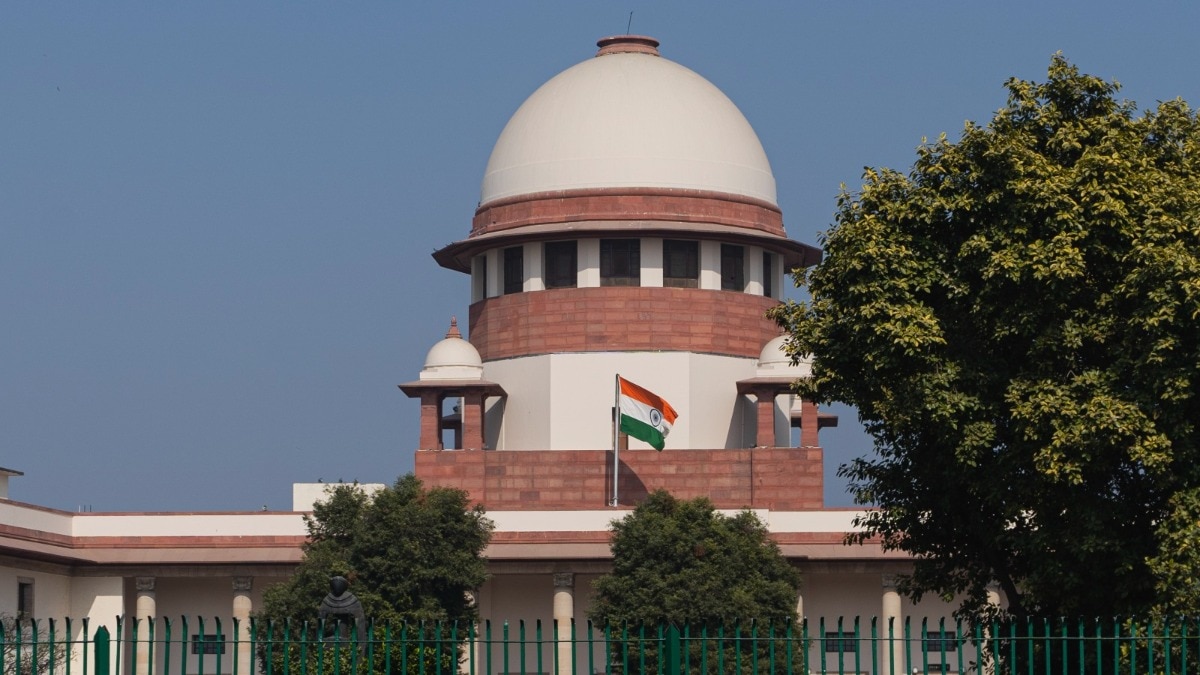
The Supreme Court has issued an interim order prohibiting schools and colleges from appointing or retaining teachers who do not possess the mandatory qualifications prescribed by the RTE, NCTE, and UGC.
- Appointment or continuation of teachers without prescribed qualifications is now barred.
- Strict compliance with RTE, NCTE, and UGC Acts is mandatory for all educational institutions.
- The order stems from a PIL challenging the lack of transparency in teacher provincialisation.
In a landmark interim directive, the Supreme Court of India has prohibited educational institutions from hiring or continuing the services of teachers who fail to meet the statutory qualification requirements. A Bench comprising Chief Justice of India Surya Kant, Justice Joymalya Bagchi, and Justice V Mohana emphasized that recruitment must strictly align with the legal frameworks governing education in India.
The court's mandate covers three primary regulatory pillars: the Right to Education (RTE) Act for elementary schooling, the National Council for Teacher Education (NCTE) Act for teacher training and school-level qualifications, and the University Grants Commission (UGC) Act for higher education. The court stated, "As an interim measure, no teacher shall be appointed/observed in schools/colleges unless possessing requisite prescribed qualification."
Why This Matters
BozokMedia analysis shows that this ruling is a critical step toward eradicating the culture of 'backdoor entries' in the education sector. For years, the process of provincialisation—converting contractual or private roles into government service—has been plagued by allegations of nepotism and lack of competitive exams. By enforcing UGC and NCTE norms, the judiciary is ensuring that the quality of pedagogy is not sacrificed for administrative convenience or political expediency.
"This ruling effectively ends the era of compromise in teacher recruitment, prioritizing student learning outcomes over employment quotas."
Historical Background and Legal Context
The case reached the apex court through a Public Interest Litigation (PIL) that challenged the statutory schemes relating to the provincialisation of teachers. The petitioners argued that these schemes allowed individuals to enter substantive government service without undergoing a fair, transparent, and competitive recruitment process, thereby undermining the merit-based system of the Indian civil and academic services.
The implications are vast. For elementary schools, the RTE framework is non-negotiable. For colleges, the UGC norms—which often include NET/SET qualifications—must be strictly followed. While the order is currently interim, it sets a powerful precedent for how teacher qualifications will be audited across the country.
| Institution Type | Governing Body/Act | Primary Focus |
|---|---|---|
| Elementary Schools | RTE Act | Basic Education & Mandatory Certs |
| Teacher Training | NCTE Act | Professional Standards & Certification |
| Higher Education | UGC Act | Academic Expertise & Research Degrees |
Frequently Asked Questions
1. Is this a final judgment?
No, this is an interim order. The court has issued notices, and a final decision on the broader PIL will be made after further hearings.
2. Does this apply to private institutions as well?
Yes, the order refers to "schools/colleges" generally, implying that any institution following the prescribed national laws must comply.