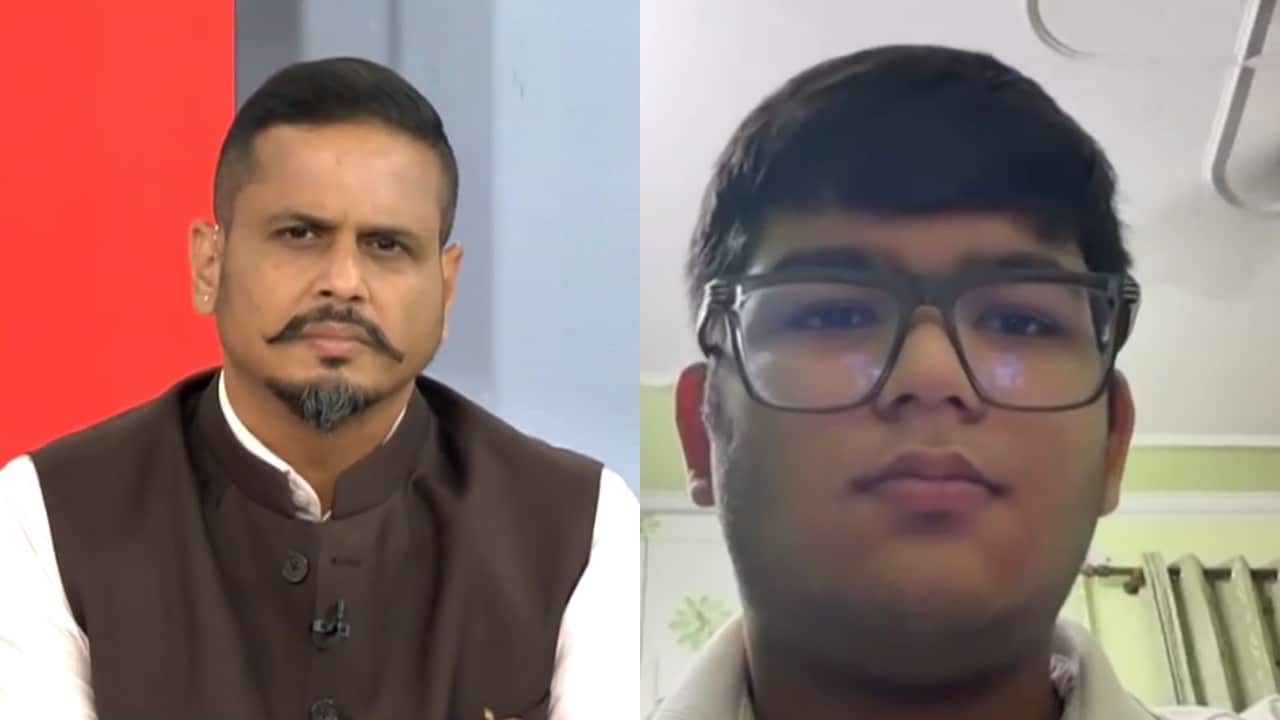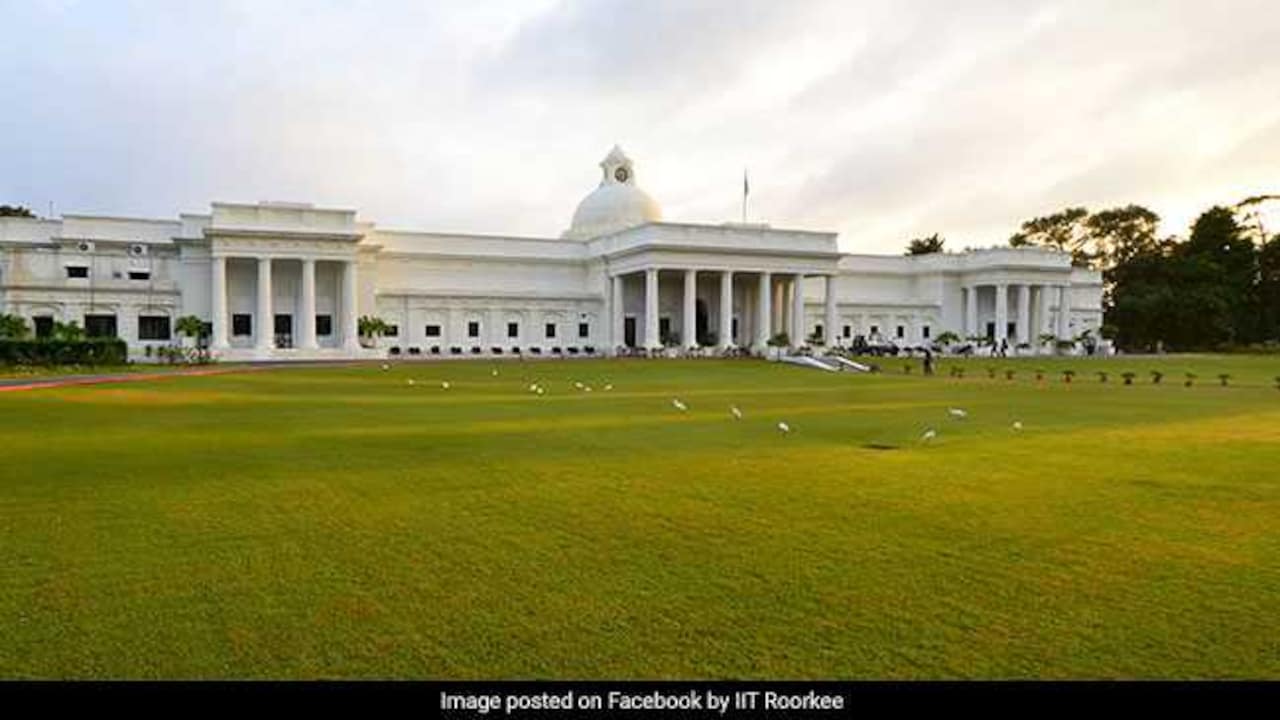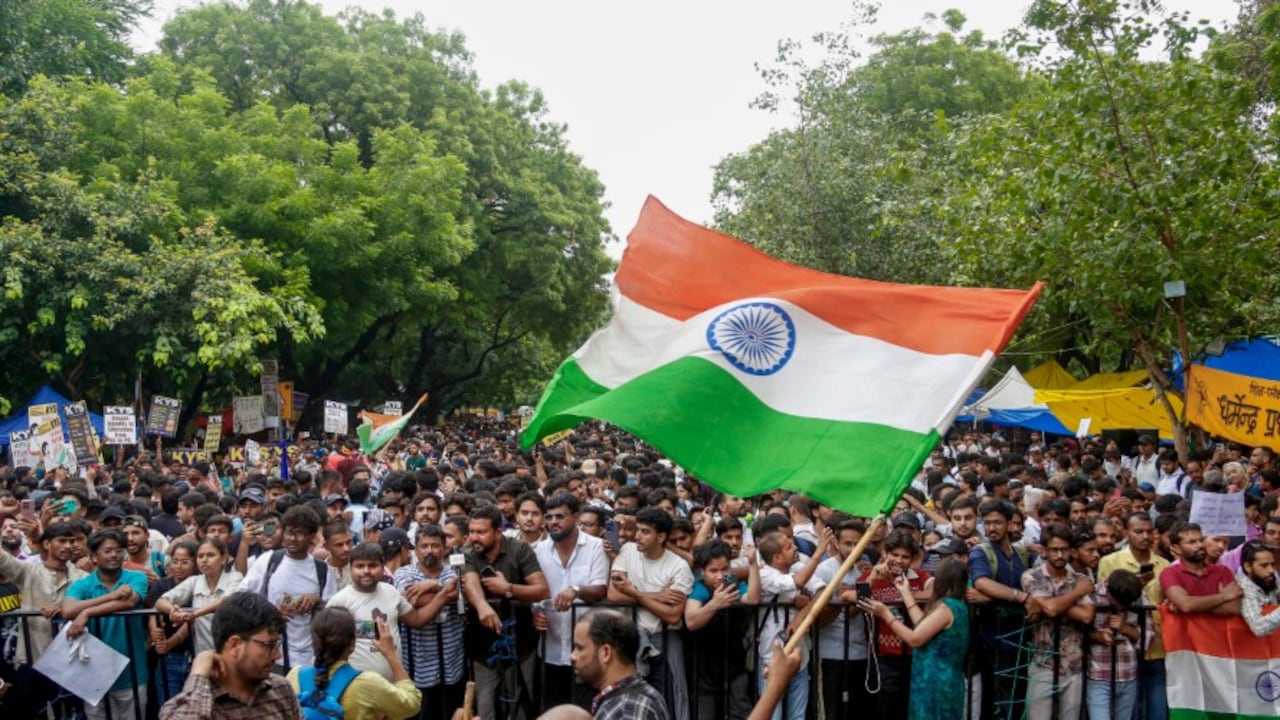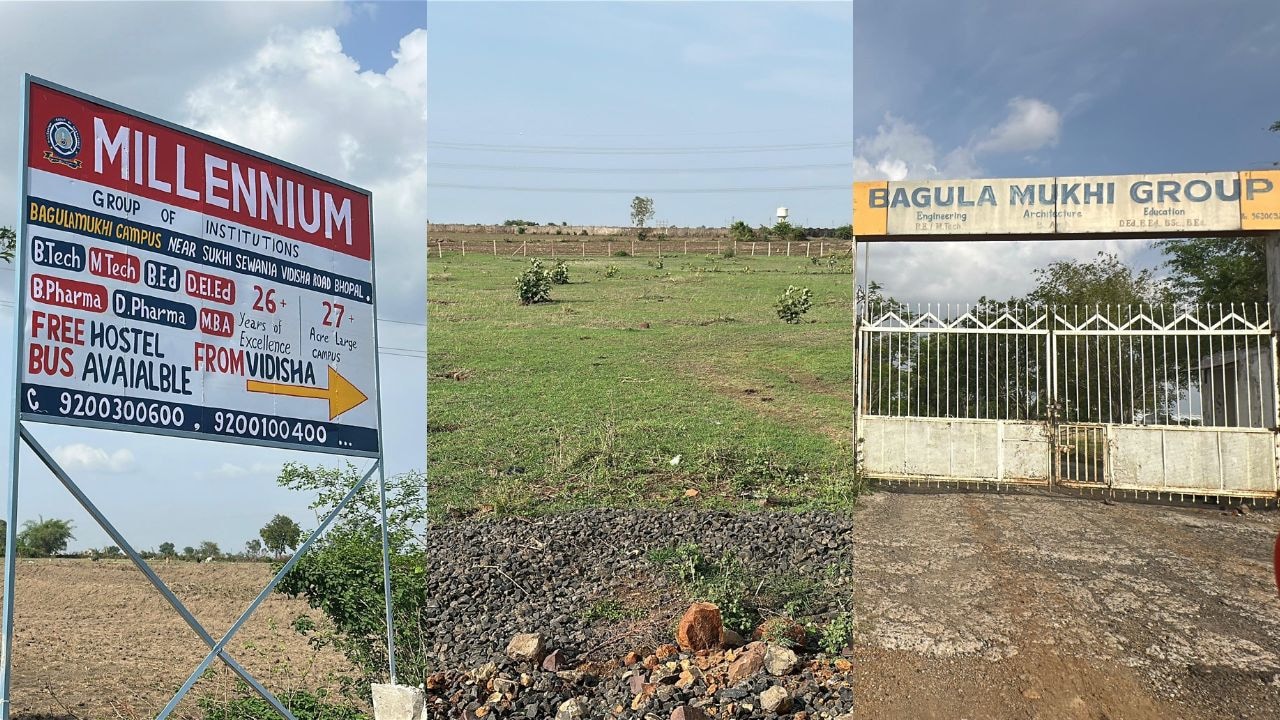
Following an NDTV exposé, the central government has launched a sweeping probe into B.Ed colleges that may not exist. The investigation revealed mismatched addresses and even agricultural land where campuses were claimed to be.
Key Takeaways
- NDTV identified several B.Ed colleges as potentially fake
- Government issued an immediate probe order
- Investigation found address discrepancies between records and reality
National broadcaster NDTV recently aired a report alleging that a number of B.Ed colleges listed in official registers have no real presence. When reporters visited a purported college site, they found only agricultural fields and signage belonging to unrelated institutions. In response, the Ministry of Education ordered a comprehensive audit of all such colleges across the country.
The audit team discovered that many colleges operate from addresses that differ drastically from those documented in the official database. Some institutions exist merely as a mailbox or a modest office, while students are directed to remote locations for classes. This not only jeopardizes the futures of aspiring teachers but also undermines confidence in the nation’s education system.
Historical Background: The B.Ed (Bachelor of Education) program was introduced to create qualified teachers for India’s expanding school network. Since the 1990s, rapid growth of private institutions has been accompanied by a surge in unregulated colleges. Past decades have seen several crackdowns on fake institutions, yet enforcement has often been inconsistent. Today, digital registries and social media enable faster detection, increasing pressure on authorities to act decisively.
Why This Matters
BozokMedia analysis shows that the probe will have multi‑layered impacts. First, prospective teachers will be shielded from enrolling in fraudulent colleges, safeguarding both their financial investments and career trajectories. Second, stricter enforcement signals to the private education sector that quality and transparency are non‑negotiable, potentially attracting more reputable investors and improving India’s global education standing.
Moreover, this move reinforces the government’s commitment to tightening regulatory oversight. By dismantling illegal networks, the education ecosystem can shift toward higher standards, benefitting millions of students and aligning India’s teacher training with international benchmarks.
"The prevalence of bogus teacher‑training institutions erodes public trust, and a rigorous audit is the first step toward restoring credibility," says education analyst Dr. Anitha Rao.
| Aspect | Before Probe | After Probe |
|---|---|---|
| College address verification | Often mismatched | All inconsistencies rectified |
| Student safety | Uncertain | Enhanced protections under new rules |
| Regulatory action | Lenient | Strict monitoring and penalties |
Frequently Asked Questions
Q1: Will every B.Ed college be audited?
A: Yes, the Ministry of Education has mandated a nationwide audit of both private and public B.Ed institutions.
Q2: What happens if a college is found to be fake?
A: Such colleges will be shut down immediately, and their operators will face legal consequences.