Urban Indian parents now face a financial burden that goes far beyond school fees, encompassing tuition, digital devices, transport, uniforms, extracurriculars, and competitive exam coaching. This article explores the historical rise, current realities, and future implications of these hidden costs.
Key Takeaways (मुख्य बिंदु)
- Overall education spending has doubled in the last two decades
- Digital devices and coaching now cost more than regular school fees
- Growing pressure on family financial stability
In India’s urban centers, children’s education now includes tuition classes, smartphones, laptops, school uniforms, extracurricular activities, and competitive‑exam coaching. These elements have pushed total out‑of‑pocket costs to unprecedented levels, straining the savings of many middle‑class families.
Historical Background (तथ्यात्मक पृष्ठभूमि)
During the 1990s, Indian education expenses were largely limited to school fees and textbooks, averaging around ₹5,000‑₹7,000 per year. The arrival of the internet and the rise of private tutoring in the early 2000s initiated a gradual cost increase. By the 2010s, even as device prices fell, the need for frequent upgrades and the proliferation of coaching centers amplified spending. Recent national surveys indicate an average annual education cost exceeding ₹45,000, with tuition, digital tools, transport, uniforms, extracurriculars, and coaching forming the bulk of the expense.
Comparison of Education Costs: 2000 vs 2023
| Year | Average Annual Cost (INR) | Key Cost Components |
|---|---|---|
| 2000 | ≈ 8,000 | School fees, textbooks |
| 2023 | ≈ 45,000 | Tuition, digital devices, transport, uniforms, extracurriculars, coaching |
Why This Matters (इसके मायने क्या हैं)
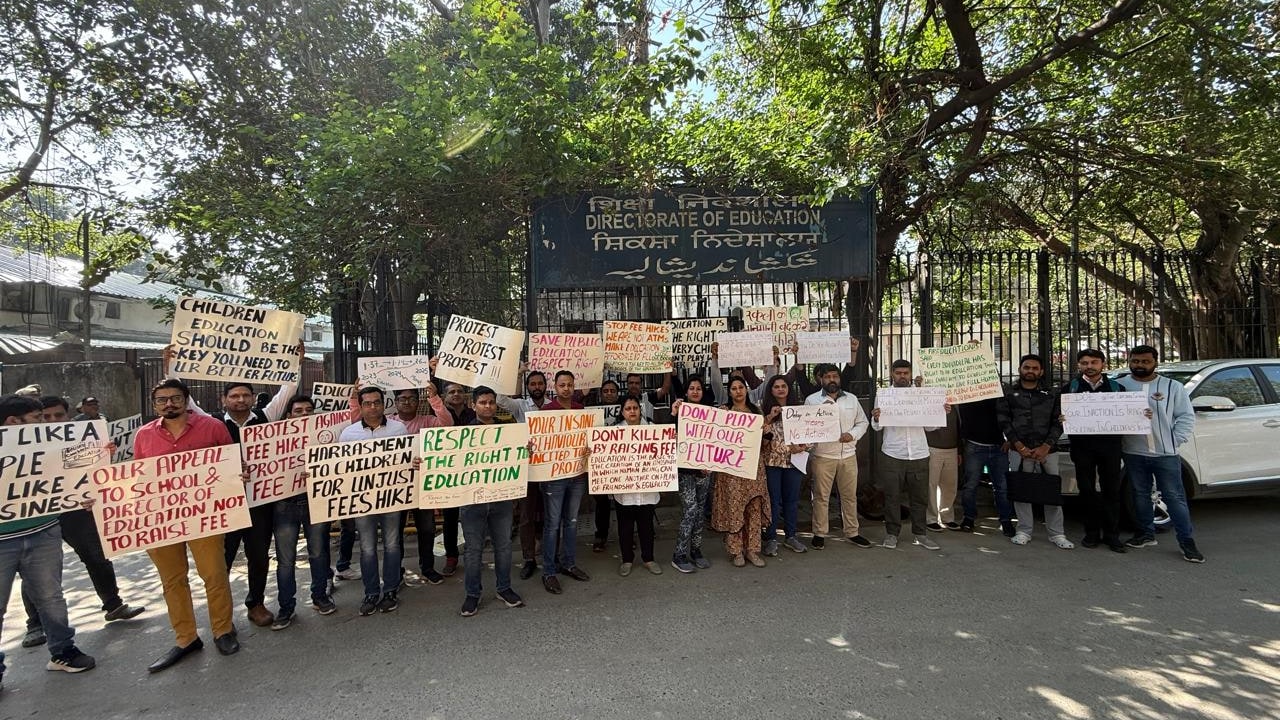
The steep rise in education expenses directly impacts household savings, borrowing, and overall quality of life. BozokMedia analysis shows that over 60 % of urban families now take additional loans solely for schooling, raising financial risk across the middle class. This pressure can adversely affect children’s mental health and academic performance.
From an economic perspective, higher education costs curb consumer spending and limit investment capacity for small businesses. Policymakers must address the issue through expanded scholarships, subsidies, and affordable digital learning solutions.
"The true value of education cannot be measured only in rupees, but uncontrolled cost inflation threatens social equity," says education policy expert Dr. Ravindra Pandey.
Frequently Asked Questions (अक्सर पूछे जाने वाले प्रश्न)
Q1: Are there any new government scholarship schemes?
A: Both central and state governments have introduced several scholarship programs, but outreach and awareness remain challenges.
Q2: How can families control education-related spending?
A: Prioritize essential expenses, adopt shared device usage, and carefully select reputable tuition options to keep costs manageable.