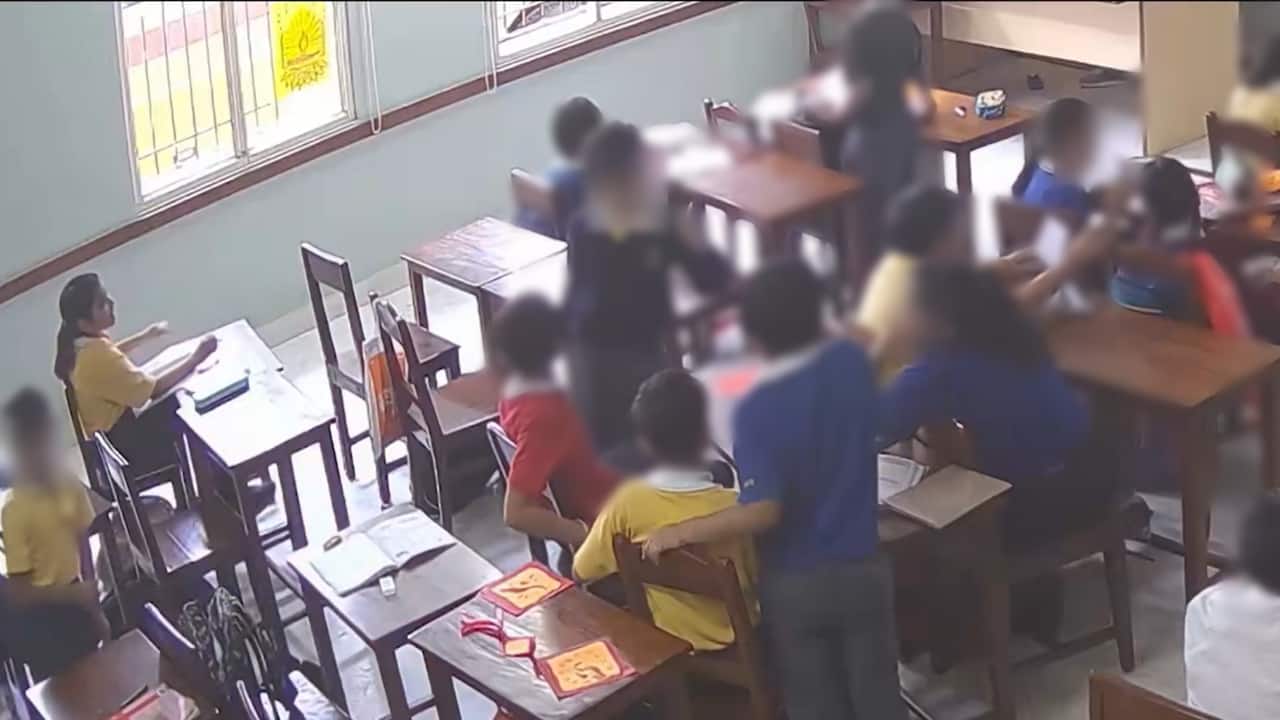
Arrest warrants have been issued against four senior members of the school where Amayra took her own life. In response, private schools across Rajasthan have moved into an alert mode to prioritize the mental well‑being of their students.
Key Takeaways (मुख्य बिंदु)
- Arrest warrants issued for four school officials in the Amayra case
- Private schools in Rajasthan adopt alert mode to safeguard student welfare
- Emphasis on open dialogue and counselling between faculty and students
Eight months after the tragic suicide of Amayra, a student of Neerja Modi School, the case has taken a decisive turn. Four members of the school’s management now face arrest warrants, while the victim’s family has released a fresh video that has intensified public scrutiny. The legal developments have sent shockwaves through Rajasthan’s private education sector, prompting an urgent response.
Alert Mode Across Schools
Private schools throughout Rajasthan have instantly activated an “alert mode” to monitor students’ emotional health daily. Under this protocol, counsellors, teachers, and administrators submit regular reports on students’ mental states, and institutions have begun holding frequent open‑forum sessions where learners can discuss academic pressure, family issues, and transport anxieties without fear.
Bridging the Communication Gap
A recent ground report by Zee Media found that students now feel significantly more heard. One student remarked, “Whenever we face a problem, we speak directly to our teachers, who listen patiently and try to resolve it.” This shift toward transparent dialogue aims to prevent the isolation that can lead to despair.
Industry‑Wide Directive
Anil Sharma, Director of the school and State President of the Private School Association, issued a strict directive to all staff: “Listen carefully to children—whether it concerns their bus or cab commute, family circumstances, or school‑related stress.” Sharma stressed that continuous engagement with students is essential to stop any child from reaching a point of hopelessness.
Implications for the Future
Amayra’s case has become a catalyst for systemic change, forcing educational institutions to reassess their duty of care beyond academics. If the alert mode and counselling initiatives are sustained, they could serve as a model for other states, reducing the risk of similar tragedies nationwide.