Punjab's government has capped annual private school fee increases at 5% and ordered refunds for institutions that raised fees by more than 15% in the past three years. Schools breaching the rule face fines up to ₹1 lakh and possible loss of affiliation.
Key Takeaways (मुख्य बिंदु)
- Annual fee hikes limited to 5% for private schools.
- Institutions with >15% increase over three years must refund excess fees.
- Violators face fines up to ₹1 lakh and possible de‑recognition.
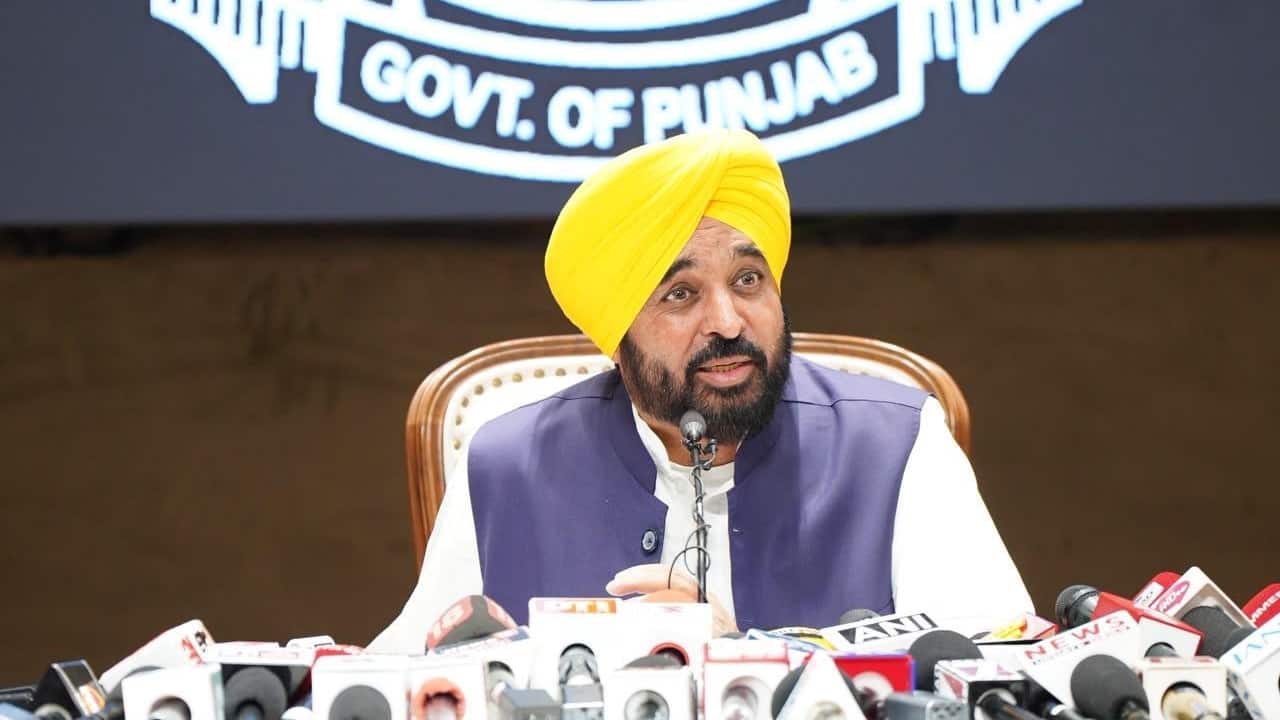
Chief Minister Bhagwant Singh Mann announced a sweeping education reform that places strict limits on private school fee increases across Punjab. The move, enacted through the Punjab Regulation of Fees of Unaided Educational Institutions (Amendment) Ordinance, 2026, aims to protect more than 32 lakh students and their families from unchecked price hikes.
Background and Rationale
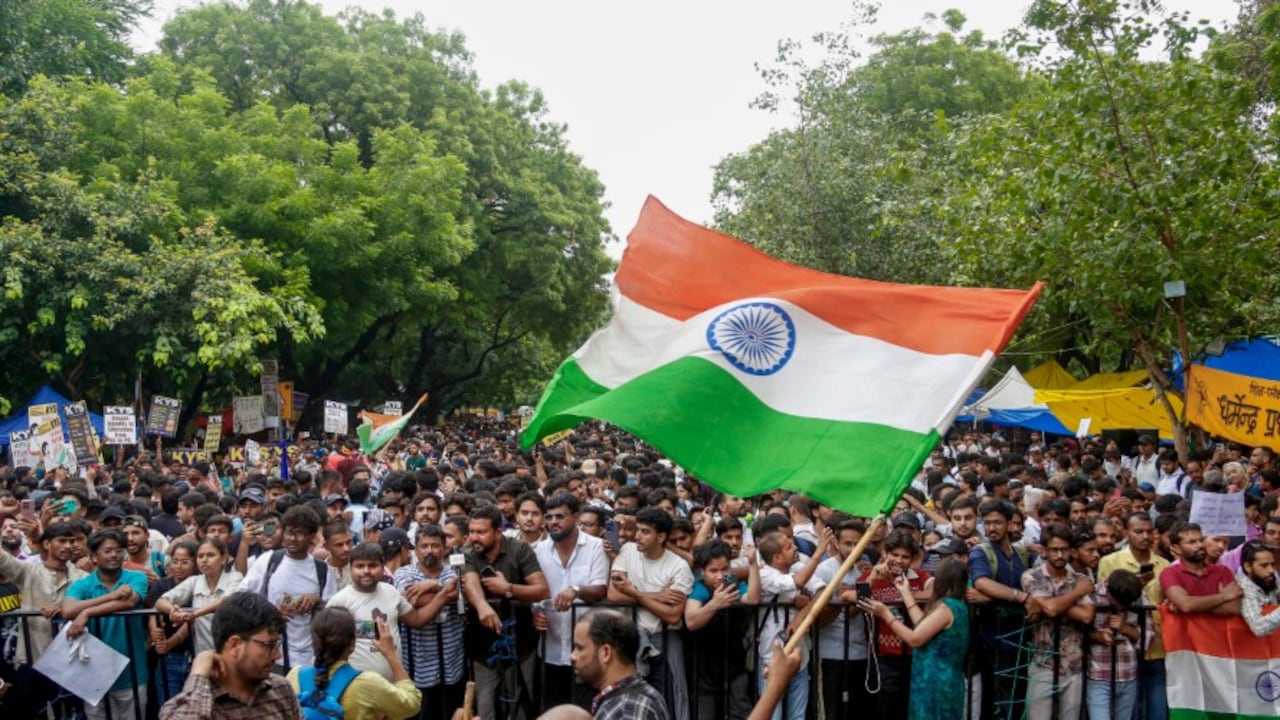
In recent years, private schools in the state surged their fees, burdening middle‑class families and sparking public outcry. Citing Supreme Court guidelines that education should not be a profit‑making venture, the Mann administration emphasized that schooling is a public good, not a commercial commodity. All 7,800 private institutions have been instructed to upload fee records for the past four years on a dedicated portal within ten days.
Core Provisions of the Ordinance
The ordinance caps annual fee growth at 5% and mandates prior approval for any increase beyond that threshold. It also treats all ancillary charges—transport, building fees, etc.—as part of tuition, ensuring full transparency. Schools that have collectively raised fees by more than 15% over the last three years must refund the surplus amount to parents.
Enforcement Mechanisms
To enforce compliance, a forensic audit team will scrutinise every financial transaction of private institutions. Penalties are steep: first‑time violators incur a ₹50,000 fine, the second offense attracts a ₹1 lakh penalty, and a third breach leads to de‑recognition of the school’s affiliation.
Implications and Outlook
Policy analysts predict that Punjab's bold step could set a precedent for other Indian states, ushering in a more equitable and transparent education sector. While the regulations promise to curb profiteering, sustained monitoring and periodic policy tweaks will be essential to balance institutional viability with student welfare.