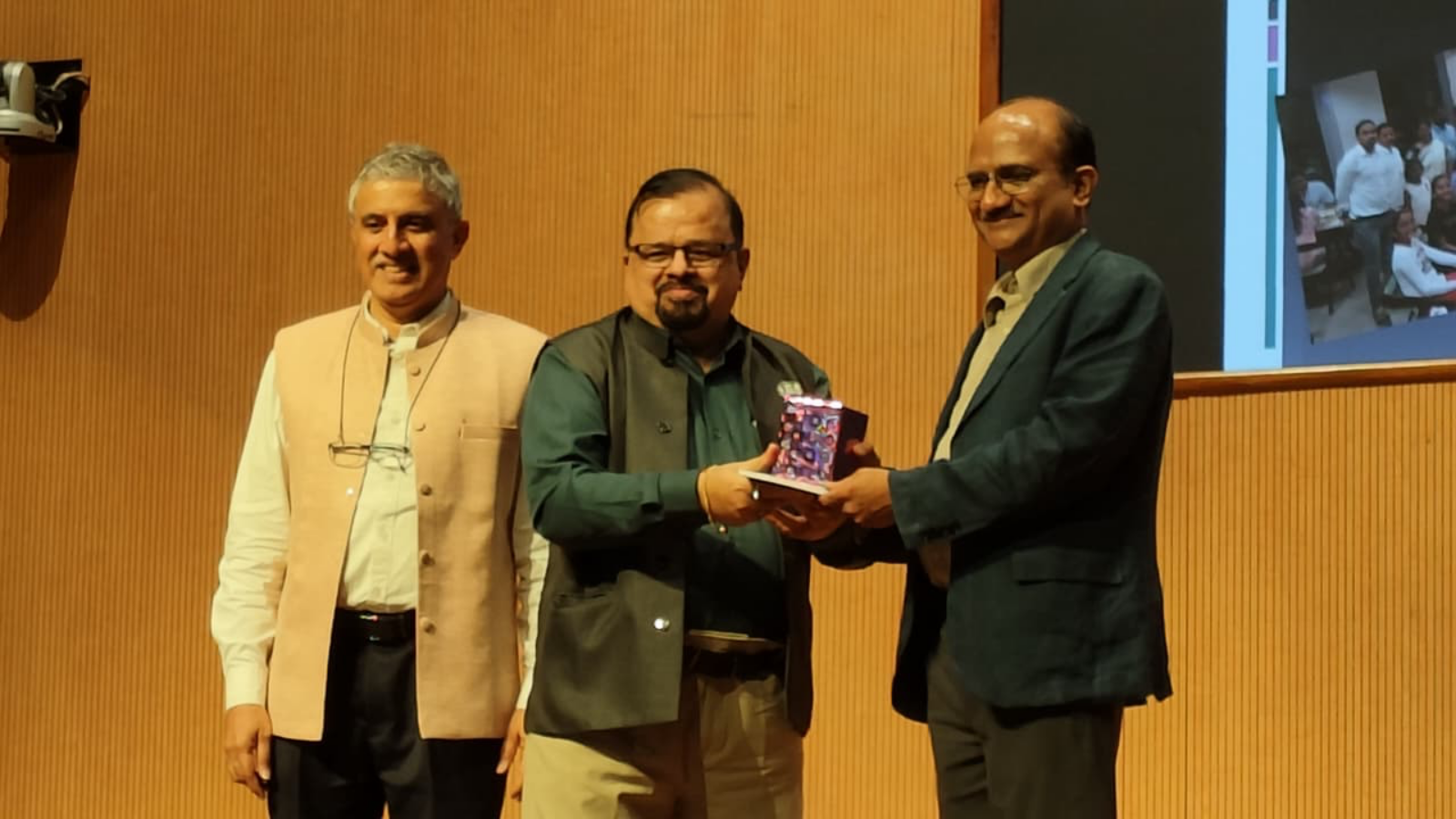
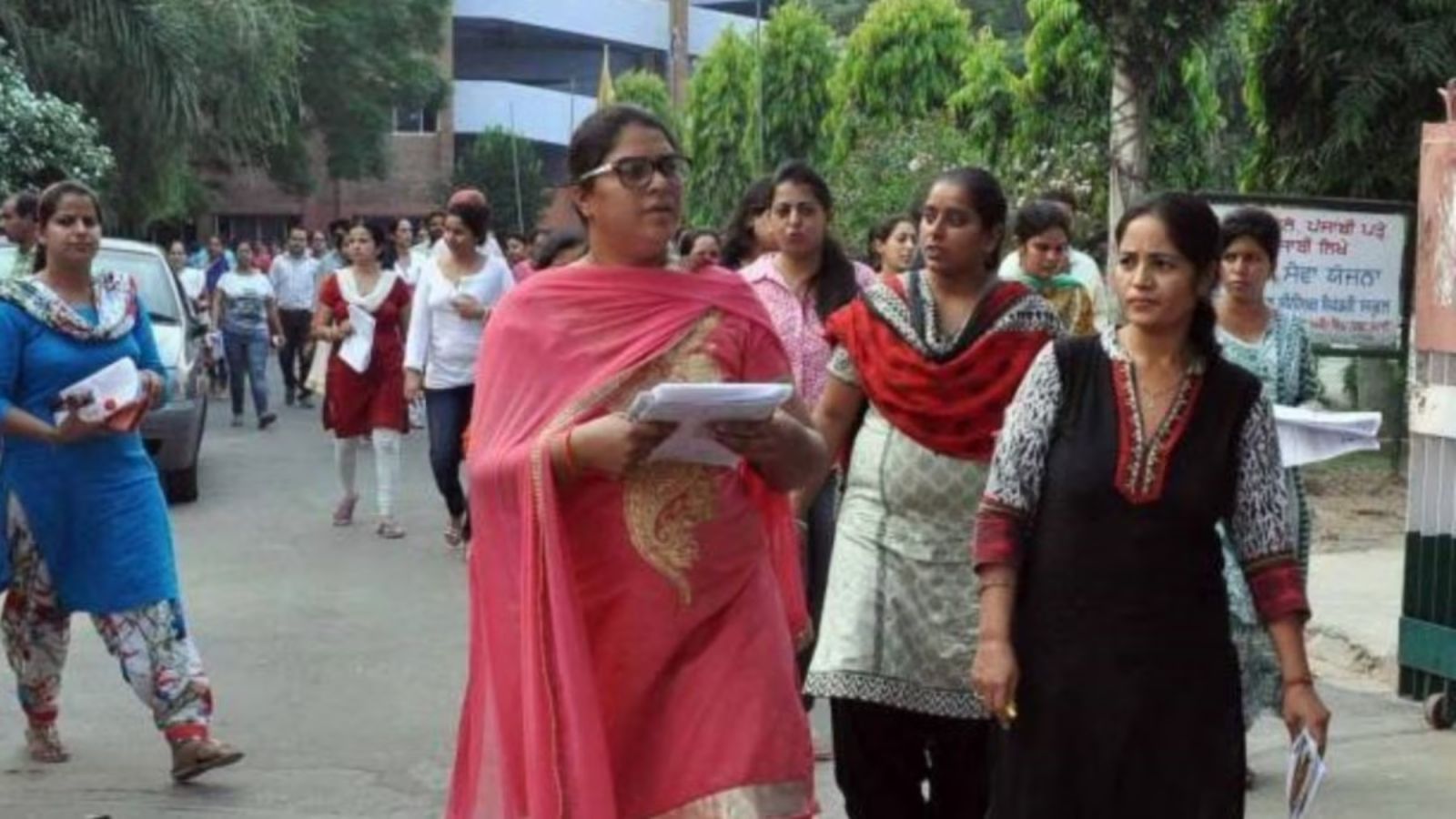
The two highest scorers of the NEET exam declared that student protests are a democratic right, while comprehensive education reform is the only viable solution. Their statements have ignited fresh debate on India's medical education policies.
Key Takeaways
- NEET's top two scorers emphasized the right to protest.
- They identified education reform as the essential solution.
- The remarks have intensified discussions among students and policymakers.
India's premier medical entrance exam, NEET, saw its two highest achievers speak out in a recent press conference, asserting that students have a democratic right to protest while urging sweeping reforms in the education system. Their comments, featured in the Times of India, are reshaping the national conversation on medical admissions and policy transparency.
Over the past few years, NEET has been at the centre of numerous student-led demonstrations, primarily concerning seat allocation, private college quotas, and state‑level reservation policies. The top scorers stressed that peaceful protest safeguards democratic values, but lasting change demands systemic reforms.
Historical Background
Introduced in 2013, NEET was designed to create a single, merit‑based gateway for all aspiring medical professionals across India. By 2017, the government made the exam mandatory nationwide, phasing out multiple state‑level entrance tests. While the move aimed to level the playing field, it also sparked criticism over the exam's difficulty, lack of transparency in seat distribution, and the growing influence of private medical institutions.
Why This Matters
According to BozokMedia analysis, the endorsement of protest by the nation's highest NEET achievers underscores deep‑seated dissatisfaction with current policies and signals a broader demand for equitable access to medical education. When the brightest students call for reform, it amplifies pressure on legislators to address systemic gaps before they evolve into larger societal unrest.
Moreover, such public statements compel policymakers to prioritize transparency, meritocracy, and fairness in seat allocation—steps that will not only safeguard students' futures but also strengthen India's healthcare delivery by ensuring a steady pipeline of qualified doctors.
"Without substantive reform, any protest remains a temporary bandage; students are the catalysts for lasting change," says senior education analyst Dr. Arpita Rao.
Frequently Asked Questions
Question 1: What did NEET's top scorers declare?
Answer: They affirmed that protesting is a right and that comprehensive education reform is the only real answer.
Question 2: How might their statements influence education policy?
Answer: Their remarks are likely to increase pressure on authorities to implement transparent, merit‑based seat allocation and broader reforms in medical education.