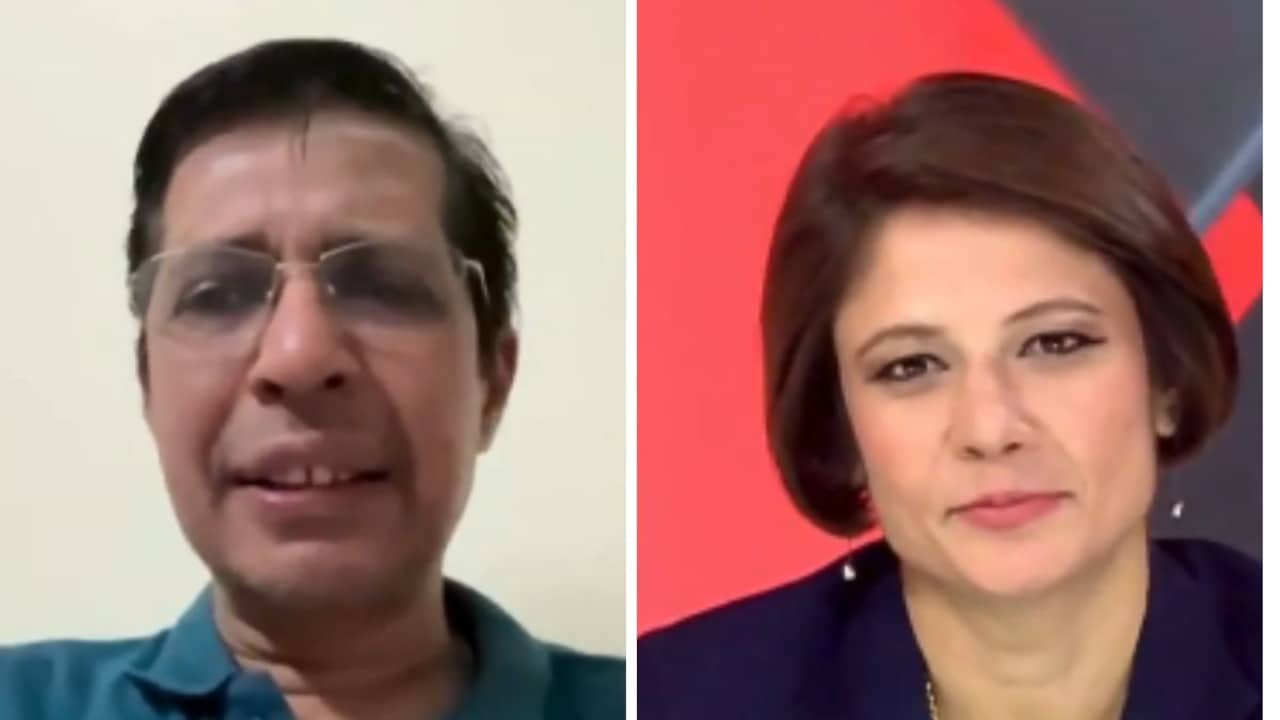
IIT Madras Professor V. Kamakoti highlights the massive evolution of JEE security, noting the scale has grown from 5,000 students in 1985 to 1.5 million today. He explains how optical sensors have replaced traditional methods to prevent leaks.
Key Takeaways
- JEE candidate numbers have surged from 5,000 in 1985 to 1.5 million today.
- Security has evolved from simple pen-and-paper to advanced optical sensor technology.
- Professor V. Kamakoti is part of the PM's six-member exam reform task force.
In the wake of recent protests regarding paper leaks in medical entrance exams, Prime Minister Narendra Modi has established a high-level six-member task force for exam reforms. Professor V. Kamakoti, a key member of this task force, has provided profound insights into why premier exams like the JEE have maintained their integrity despite massive scaling.
The Evolution of Examination Security
Reflecting on the historical context, Professor Kamakoti noted a staggering shift in the scale of examinations. In 1985, the JEE saw only 5,000 candidates; however, today, the number has skyrocketed to 1.5 million. Managing such a massive volume of students requires more than just traditional oversight.
The transition from manual, pen-and-paper processes to sophisticated optical sensor technology and digital monitoring has been the cornerstone of preventing leaks. This technological shift ensures that the examination process remains airtight and resistant to human manipulation.
Why This Matters
BozokMedia analysis shows that as the demographic pressure on competitive exams increases, the vulnerability to organized cheating also rises. The integration of high-end sensor technology is not just an upgrade; it is a necessary defense mechanism to protect the meritocracy of the Indian education system.
The shift toward optical and digital sensing is the ultimate safeguard against the systemic threat of paper leaks.
Frequently Asked Questions
1. Who is on the exam reform task force?
The task force is a six-member committee appointed by the PM, including experts like Professor V. Kamakoti.
2. How does technology prevent leaks?
Advanced sensors and digital tracking make it nearly impossible to intercept or manipulate physical and digital question papers.