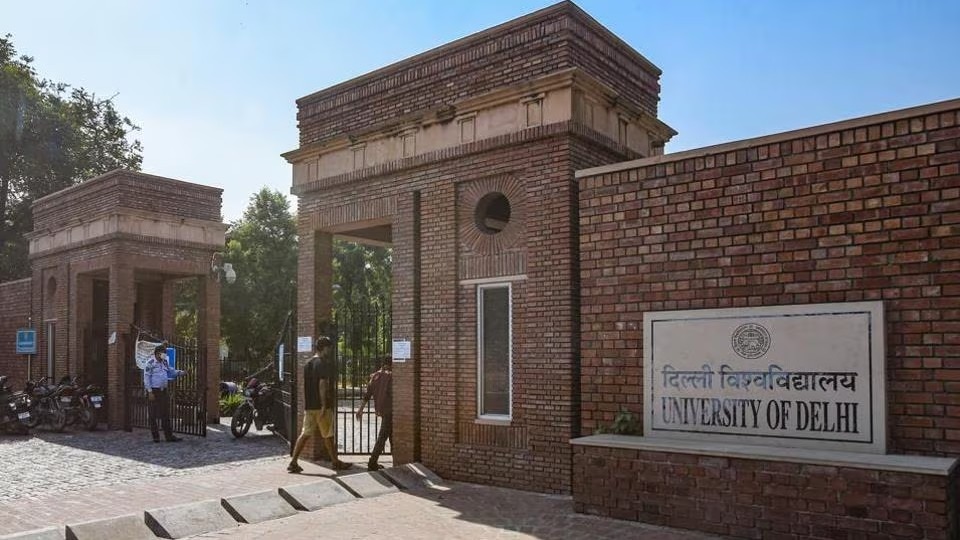
As Delhi University reopens, the arrival of Gen Z students on North Campus has sparked intense discussions regarding recent paper leak protests and the need for academic accountability.
Key Takeaways
- Delhi University (DU) officially commenced its new academic session on Tuesday.
- First-year Gen Z students are actively discussing nationwide paper leak protests.
- Concerns regarding hostel shortages and rising fees are emerging alongside political discourse.
The gates of Delhi University swung open this Tuesday, welcoming thousands of freshers to the North Campus. However, the atmosphere was charged with more than just academic excitement. The new cohort of Gen Z students arrived with a clear focus on the recent nationwide unrest surrounding paper leaks and the demand for rigorous examination reforms.
Conversations among the new students revealed a high level of political consciousness. Many first-year students expressed support for the recent movements, including the demand for accountability from former Union Education Minister Dharmendra Pradhan. The sentiment among the youth is clear: repeated paper leak controversies have directly jeopardized the career prospects of millions of aspirants.
Why This Matters
BozokMedia analysis shows that this incoming batch represents a shift in student culture, where social activism and academic life are deeply intertwined. This generation is not just seeking degrees; they are seeking systemic integrity and transparency in the educational framework.
Peaceful dissent is a cornerstone of democracy, but maintaining respect and protecting public property remains crucial for any movement.
Beyond political issues, the new students highlighted pressing campus-specific challenges. Issues such as the acute shortage of hostel accommodation, escalating fee structures, and the need for improved basic facilities were at the forefront of their concerns. The university administration has responded by issuing advisories to prioritize safety and follow official communication channels during these transition periods.
Historical Background
The protests, which gained momentum in early June at Delhi's Jantar Mantar following the NEET-UG controversy, eventually spread across multiple cities. The agitation concluded on July 25 after the Centre accepted key demands, marking a significant moment in student-led activism in India.
Frequently Asked Questions
1. What are the primary concerns of the new DU students?
Students are concerned about paper leaks, examination reforms, hostel availability, and rising fees.
2. How has the university administration responded to the new session?
The administration has issued advisories urging students to stay safe, avoid protest sites, and rely on official university communications.