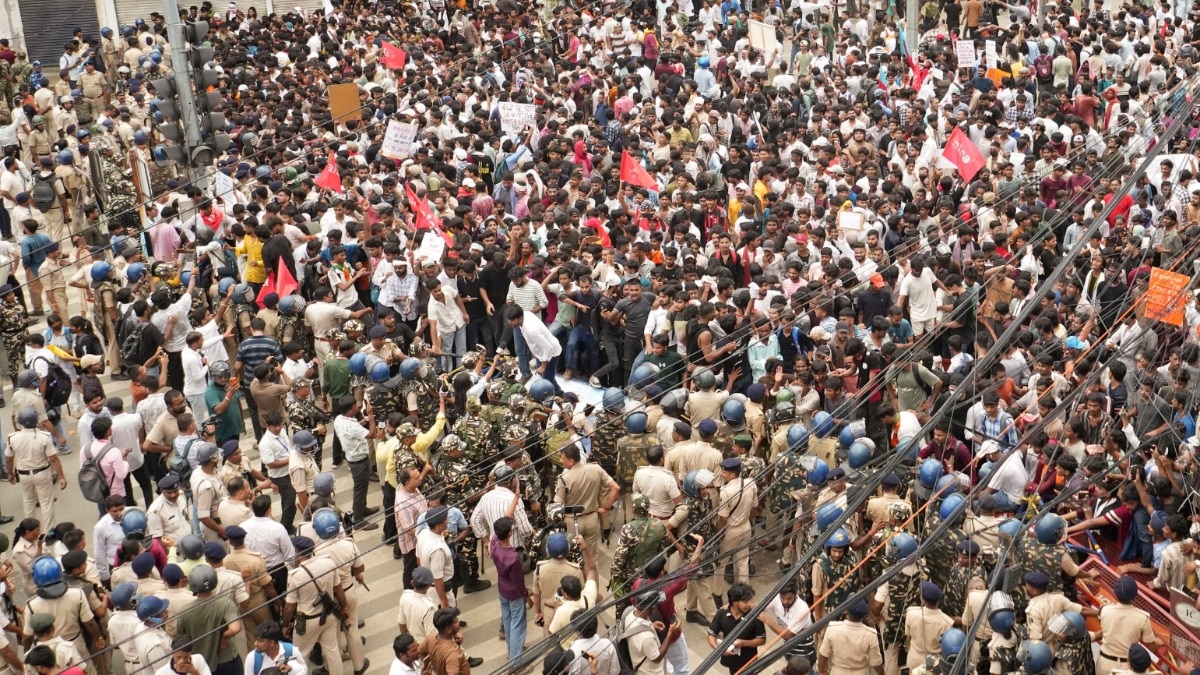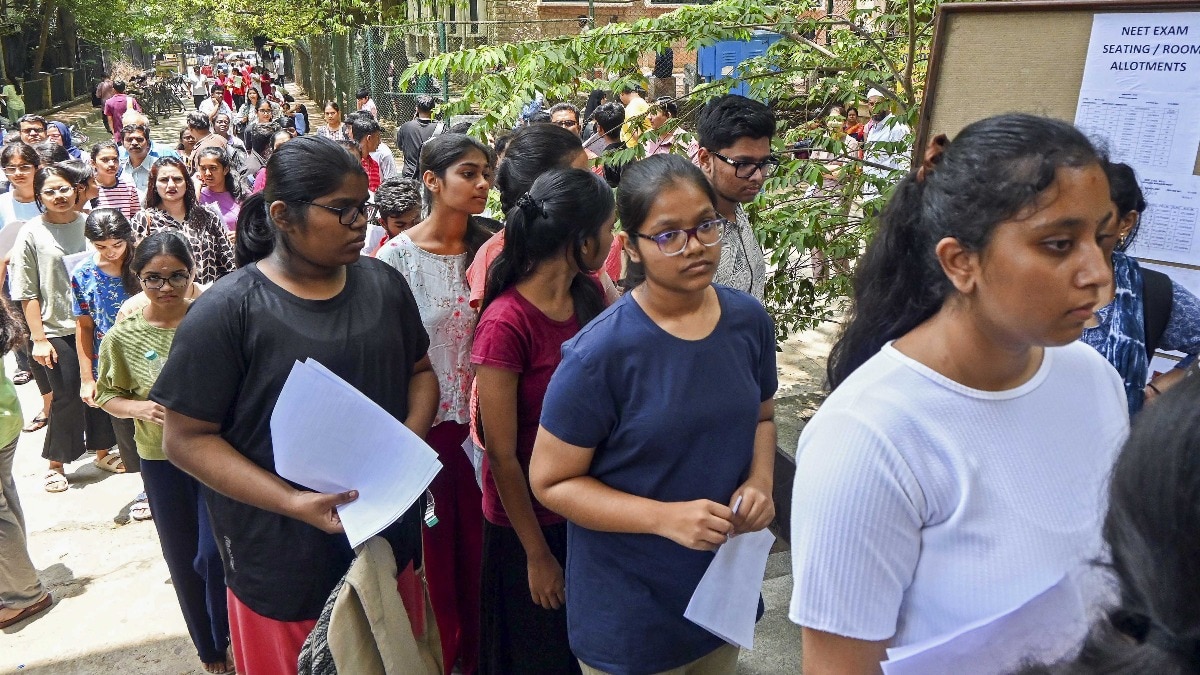
As paper leaks trigger nationwide protests, states like Punjab and Himachal Pradesh face a dual challenge: fixing broken examination integrity while evolving from degree-producers to innovation hubs.
Key Takeaways
- The NEET-UG paper leak has placed educational reform at the heart of national political discourse.
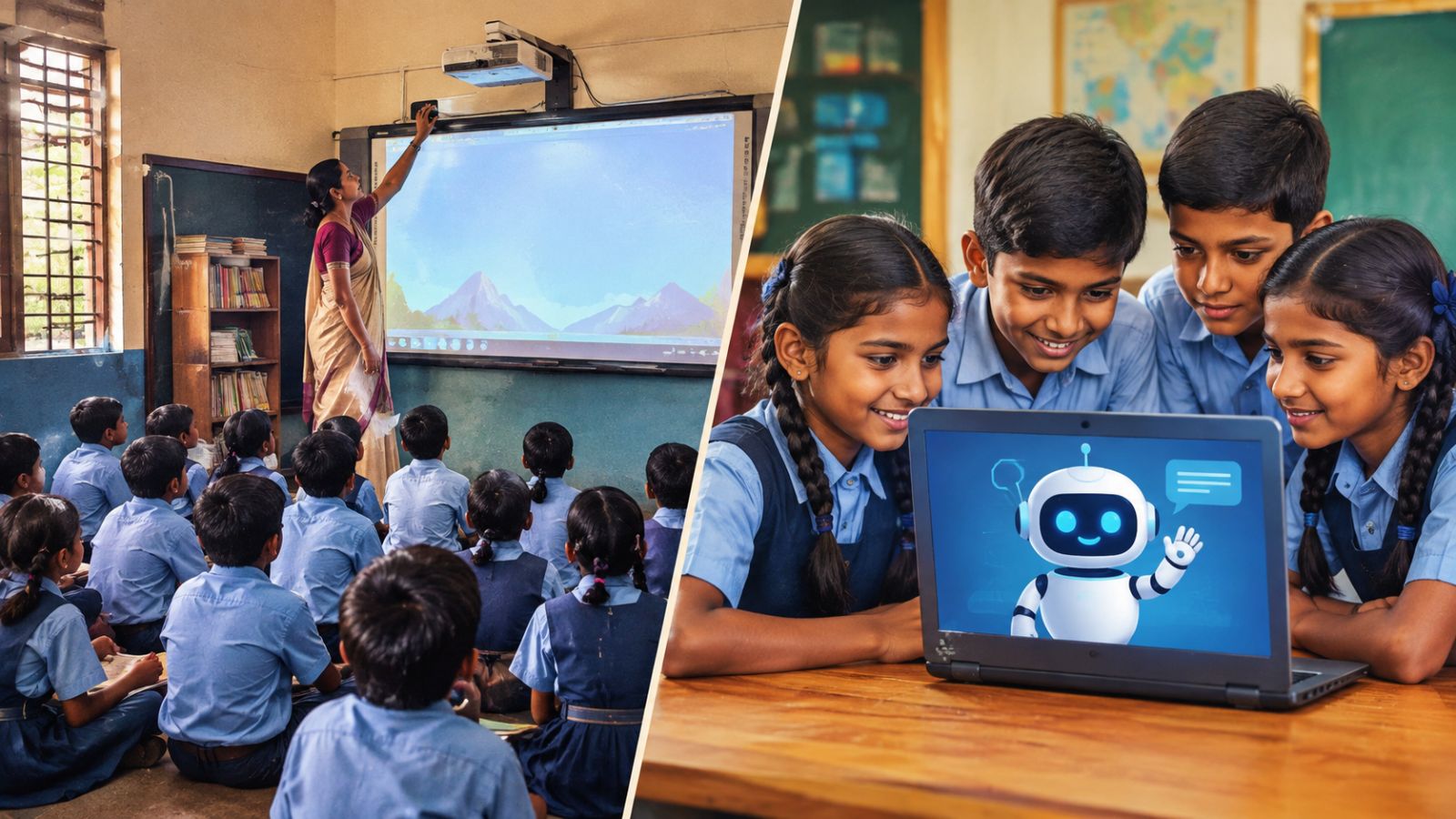
- Punjab has made strides by increasing the education budget by 50% and introducing AI in Class I.
- Himachal Pradesh has implemented stringent anti-leak laws with up to 10 years of imprisonment.
- A critical gap exists between increasing the number of private universities and fostering actual research and innovation.
The recent NEET-UG exam paper leak has transcended being a mere administrative failure; it has become a symbol of the systemic cracks in India's educational framework. From the protests at Jantar Mantar to political debates in state assemblies, the demand for a merit-based system has reached a fever pitch.
The Reformist Path: Punjab and Himachal Pradesh
In Punjab, the Aam Aadmi Party (AAP) rode to power on the promise of a 'Sikhya Kranti' (Education Revolution). According to Education Minister Harjot Singh Bains, the state has climbed from 27th to 1st rank in the NITI Aayog’s Education Quality Report 2026. Significant investments include a 50% budget hike and sending teachers for specialized training in Singapore and Finland. Notably, Punjab has become the first state to introduce Artificial Intelligence (AI) as a subject starting from Class I.
Himachal Pradesh, traditionally a leader in literacy, has moved from near-universal literacy to tackling systemic corruption. Following a massive police recruitment scam that led to a CBI probe, the Sukhvinder Singh Sukhu government enacted one of the nation's toughest anti-paper leak laws, prescribing up to 10 years in jail and ₹1 crore in fines.
Why This Matters
BozokMedia analysis shows that education must be viewed as an integrated pipeline. When a leak occurs at the examination stage, it doesn't just affect one group of students; it erodes the entire social contract of meritocracy and fuels the massive migration of youth from states like Haryana, Punjab, and HP.
A paper leak is not just a breach of security; it is a breach of the fundamental promise made to every hardworking student in the country.
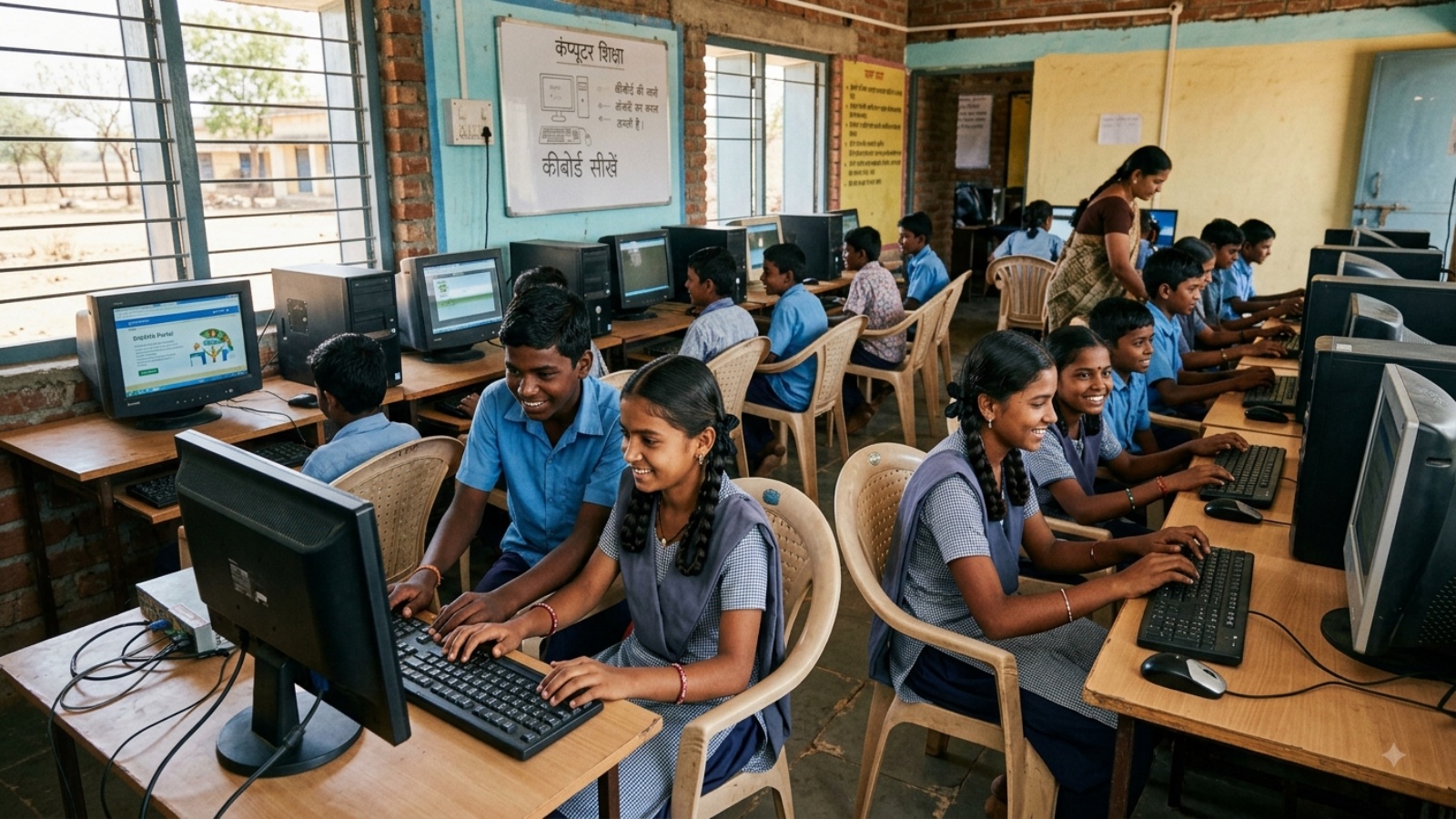
However, the expansion of higher education via private universities in these states has not necessarily translated into better outcomes. While the number of campuses has surged, India's R&D spending remains at a meager 0.8% of GDP. The challenge for these states is to transition from being mere producers of degree-holders to becoming engines of research, innovation, and entrepreneurship.
Did You Know?
Frequently Asked Questions (FAQ)
Question 1: How is Punjab addressing the quality of education?
Punjab is focusing on teacher training in international hubs like Finland, increasing the education budget by 50%, and integrating AI into the primary curriculum.
Question 2: What are the penalties for paper leaks in Himachal Pradesh?
Under the new strict laws in Himachal Pradesh, individuals involved in paper leaks can face up to 10 years of imprisonment and fines up to ₹1 crore.