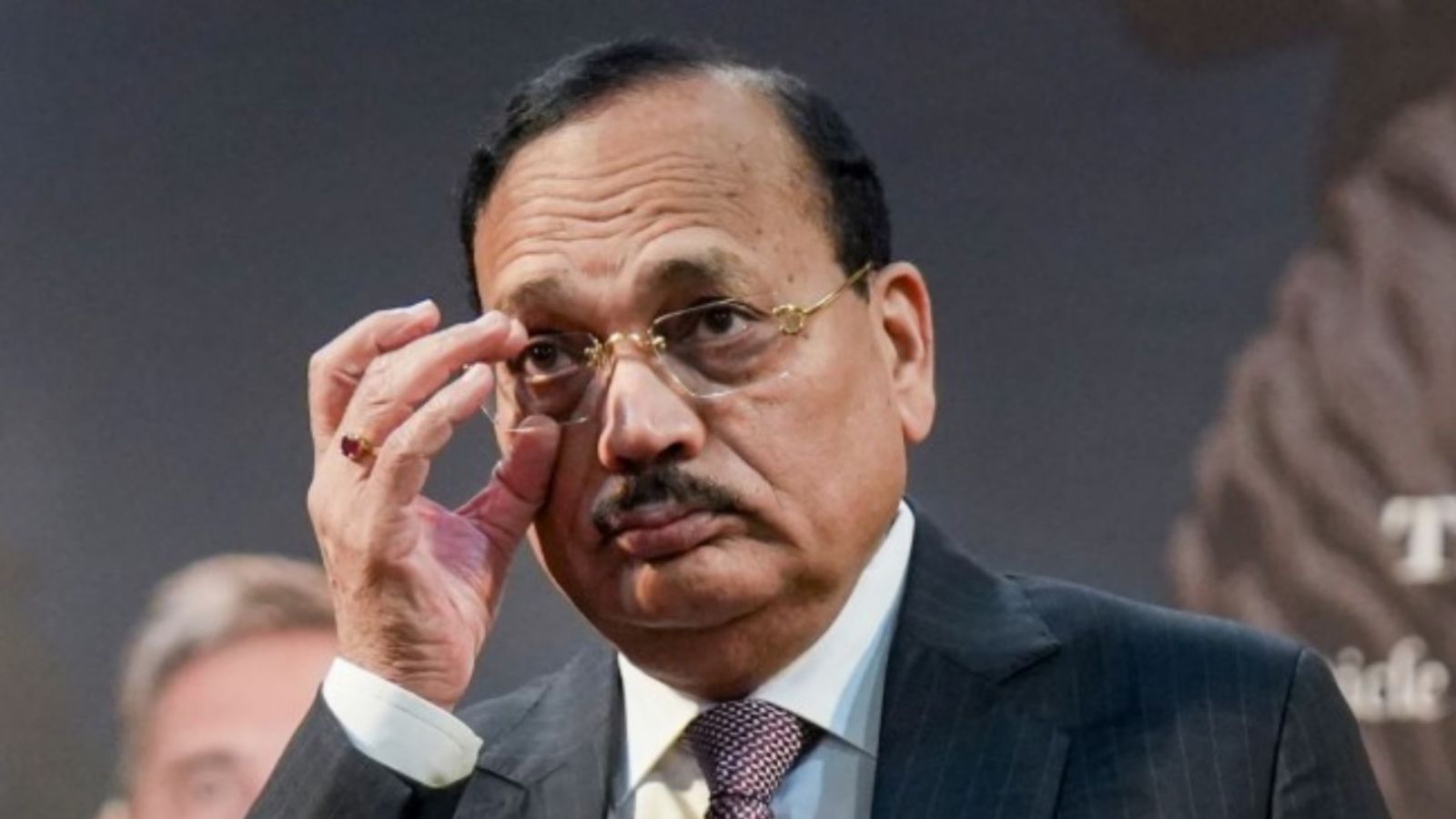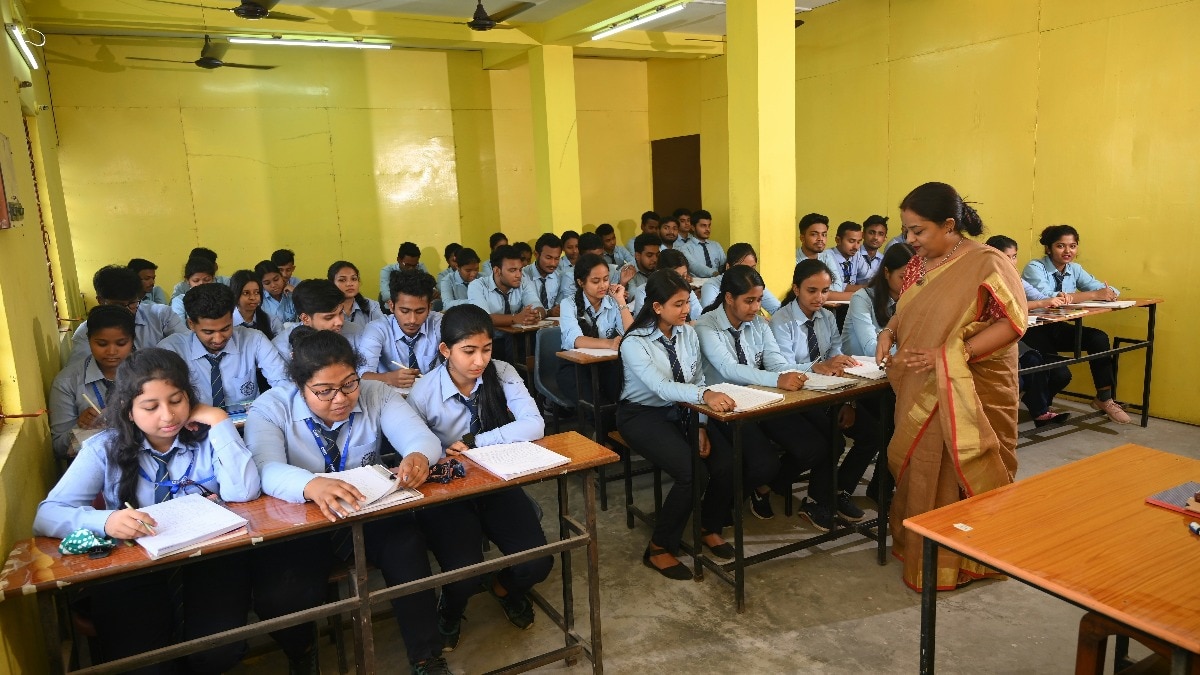
Rajasthan Governor Haribhau Bagde urged the implementation of a five‑year periodic evaluation for teachers during a national workshop in Kota. He emphasized that the assessment will improve education standards without affecting jobs, promotions, or pensions.
Key Takeaways
- Introduce systematic teacher evaluations every five years
- Assessments will not impact employment, promotions, or pension benefits
- Goal is to raise the overall quality of education
Rajasthan Governor Haribhau Bagde announced the need for a five‑year periodic evaluation of teachers while inaugurating the two‑day national workshop “Healthy and Educated Woman: Empowered Nation” at the State Institute of Agriculture Management (SIAM) in Kota. He stressed that the initiative will lift educational standards while safeguarding teachers’ job security.
The workshop, jointly organised by Agriculture University, Kota, and the Shiksha Sanskriti Utthan Nyas (SSUN), attracted around 300 participants, including scientists, educators, medical professionals, researchers, social workers, and students from across India. Bagde highlighted that a nation’s progress should be measured not only by economic growth but also by intellectual development, honesty, curiosity, and a lifelong commitment to learning.
He clarified that the proposed evaluations will focus solely on academic performance—subject knowledge and pedagogical skills—and will have no bearing on a teacher’s employment status, promotions, or pension entitlements. This assurance was made to address concerns raised by several teacher organisations.
Bagde also referenced Rajasthan’s drug‑free campaign and India’s fight against tuberculosis, urging a similar resolve to eradicate paper‑leak incidents in education. He called on everyone—from primary school teachers to university faculty—to take collective responsibility for maintaining integrity in the education system.
Historical Background: The concept of teacher appraisal was introduced in India during the 1990s under the National Education Policy, but a formal five‑year cycle has never been institutionalised. Implementing this framework could align India with international best practices and potentially improve student outcomes.
Why This Matters
BozokMedia analysis shows that regular teacher assessments not only boost academic results but also foster professional growth, delivering long‑term societal benefits.
"Such evaluations compel teachers to continuously update their knowledge, directly enhancing student learning outcomes," says education expert Dr. Ramesh Kumar.
Frequently Asked Questions
Question 1: Will the evaluation affect teachers’ salary increments?
Answer: No, the assessment is purely academic and will not influence remuneration or promotion pathways.
Question 2: Who will conduct these evaluations?
Answer: The state education department will form an independent panel comprising academic experts and senior educators to oversee the process.