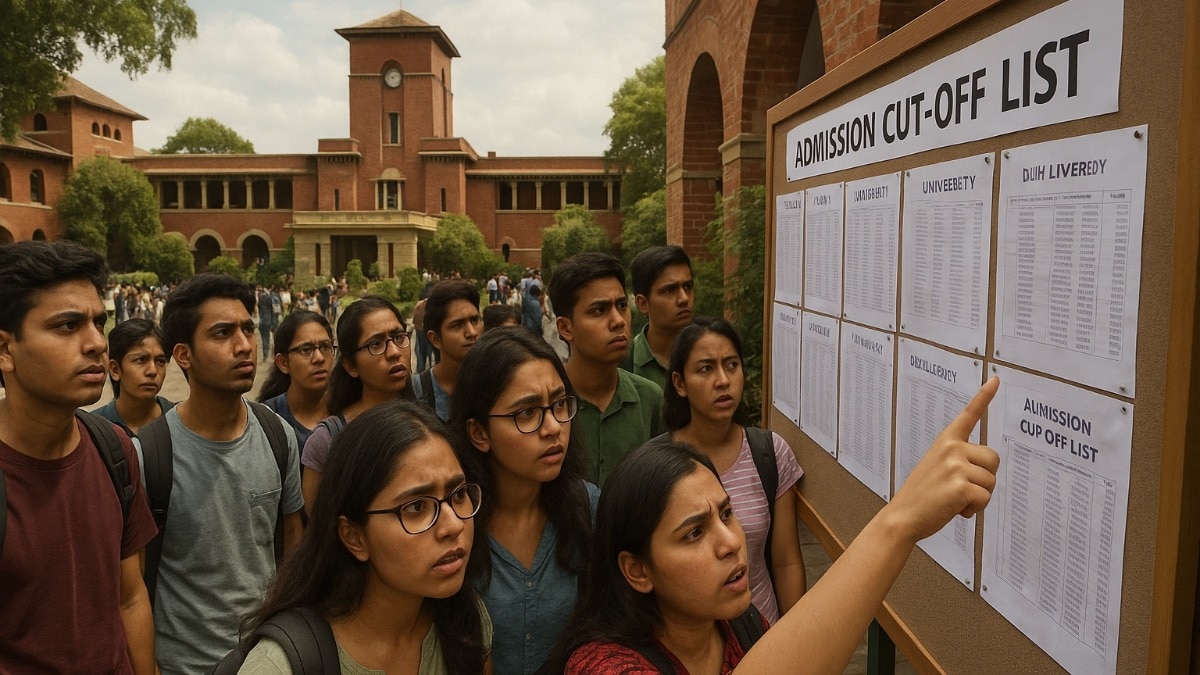
In a significant move, Delhi University has permitted Aditi Mahavidyalaya and Bhagini Nivedita College to fill vacant undergraduate seats through offline, merit-based applications using Class 12 scores.
Key Takeaways
- Aditi Mahavidyalaya and Bhagini Nivedita College to admit students based on Class 12 merit.
- The decision is a one-time exception to fill seats left vacant after CUET counseling.
- CUET remains the primary admission mode for the University of Delhi.
- Applications for the offline process are time-sensitive, with deadlines approaching fast.
The University of Delhi (DU) has granted a special exception to two of its constituent institutions—Aditi Mahavidyalaya and Bhagini Nivedita College—to conduct offline, merit-based undergraduate admissions. This move aims to fill the seats that remained unoccupied following multiple rounds of the Common Seat Allocation System (CSAS) driven by CUET scores.
Bhagini Nivedita College recently issued a public notice stating that applications are open for various programs, including BCom, BA, and BSc. Unlike the standard centralized process, candidates will be shortlisted based strictly on their Class 12 marks, subject to seat availability. The window for application is extremely narrow, with document verification scheduled for early August.
Why This Matters
BozokMedia analysis shows that this decision highlights a critical gap in the current centralized admission framework. For colleges located in peripheral areas like Bawana, the reliance solely on CUET has led to significant vacancies. Many high-performing students from rural backgrounds often miss the CUET window, and this merit-based bypass provides a vital lifeline to ensure these seats do not go to waste.
While this offers immediate relief to students, it creates a precedent that challenges the uniformity of the university's standardized admission system.
However, the move has not been without controversy. The Indian National Teachers Congress (INTEC) has raised objections, arguing that instead of granting piecemeal permissions to specific colleges, the University should implement a uniform and transparent mechanism for all institutions to fill vacant seats.
Historical Background
Historically, Delhi University relied on direct merit lists from board examinations. However, to ensure a more rigorous and standardized testing environment, the university shifted towards the Common University Entrance Test (CUET). While this has streamlined admissions, it has also created challenges for institutions with lower enrollment rates due to geographic or demographic factors.
Frequently Asked Questions
1. Is this a permanent change in DU's admission policy?
No, the university has emphasized that this is a one-time measure and CUET will remain the primary admission route.
2. Which courses are eligible for this offline admission?
The notice specifies BCom, BA, BSc, and several other undergraduate programs.